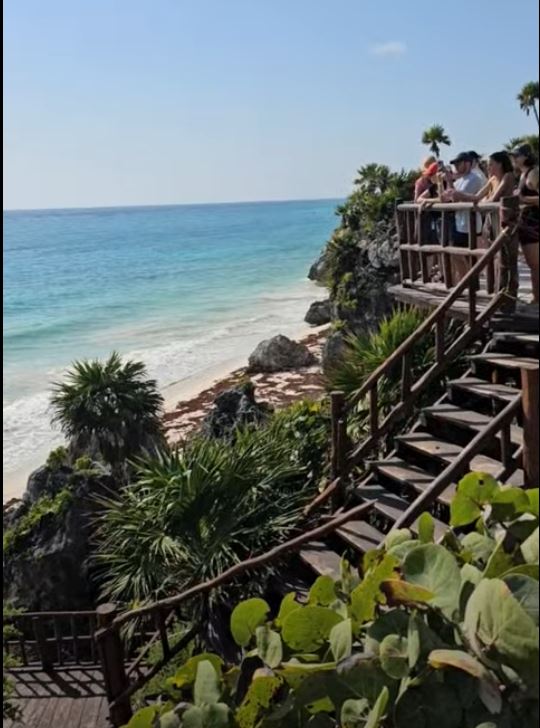
Planning a trip to the Tulum Ruins? This guide covers everything you need to know—from a quick history of the site to tips on entrance fees, avoiding hidden costs, and what to expect when visiting this stunning coastal Mayan site. I’ll help you prepare for a smooth, memorable experience without any surprises.
Canun Interactive Aquarium
Looking for a fun, family-friendly activity in Cancún that won’t break the budget? The Interactive Aquarium at La Isla Shopping Village is a perfect option—especially for a rainy day or a break from the beach. With touch tanks, marine life exhibits, dolphin shows, and affordable combo tickets, it’s an easy and entertaining way to spend a few hours with kids.
Casa Tortuga Cenotes
From swimming through eerie, echoing cave cenotes to relaxing in sunlit pools, Casa Tortuga gave us a full cenote experience for a fraction of the cost of other parks.
A Day at Chichén Itzá
We visited Chichén Itzá with a guided tour—but was it worth it? Here’s what we paid, what was included, and how it compares to going on your own.
Free Things to do in Puerto Rico
Narrow and Winding Roads on the Drive to Charco Prieto Waterfall Hike. 8 Free Things You Can Do In Puerto Rico Puerto Rico offers an ideal Caribbean vacation for US citizens since no passport is required, featuring beautiful beaches, the El Yunque rainforest, historic Old San Juan, and year-round tropical weather in the 70s-80s°F. The island combines US convenience (English widely spoken, US dollar used) with rich Latin culture, excellent local cuisine, and diverse activities from beach relaxation to adventure hiking. Best of all – You don’t have to spend a fortune to enjoy this amazing destination- here’s your guide to some of the island’s best free or affordable adventures. Charco Prieto 130′ Waterfall Hike to Charco Prieto Waterfall Tucked away in Bayamón, Charco Prieto is a hidden gem perfect for adventure seekers. The drive there includes some narrow, winding roads—so take your time—but the lush scenery along the way is stunning. It is approximately 20 miles from San Juan (40 min drive.) The one-mile trail to the falls is moderately challenging, with rocky terrain and a few steep, muddy sections. Thankfully, previous hikers have tied ropes to nearby trees to help navigate the tougher spots. At the end, you’re rewarded with a breathtaking, multi-tiered waterfall hidden deep in the forest. You can find directions, trail reviews, and tips on the AllTrails app. This place is well worth the trip if you are up for adventure and a little challenge. 400 Year Old Ceiba Tree Located in Patillas, Puerto Rico Visit the Ceiba Atabey Tree in Patillas Estimated to be over 400 years old, the Ceiba Atabey tree in Patillas is one of Puerto Rico’s most sacred natural landmarks. Towering and awe-inspiring, this ancient ceiba tree holds deep spiritual significance and offers a serene stop for anyone looking to connect with the island’s rich natural and cultural history. Nestled in the quiet community of Muñoz Rivera in Patillas, the tree is located on the southeastern coast of the island. From San Juan, it’s about a 1.5 to 2-hour drive (roughly 60 miles), and just over an hour from Ponce. To reach it, take PR-3 toward Patillas, then turn onto Route 181 and follow it until you reach Road 7759. The tree is located just off the side of this small, paved road—shortly after crossing a small bridge. Be cautious, as there’s no formal parking area, and cars may need to park along the road. While the site isn’t heavily marked, it’s well known by locals, who are often happy to offer directions. Visiting is free, and the peaceful, almost mystical surroundings combined with the ceiba’s massive, gnarled roots and towering branches make this a hidden gem well worth the detour. Tribute to Bad Bunny Experience La Placita de Santurce By day, La Placita serves as a lively local market. By night, it comes alive with music, dancing, and vibrant energy. With open-air venues offering live salsa, reggaetón, and Afro-Caribbean beats, it’s a must-visit for nightlife lovers. And best of all, there’s no charge just to walk around and take it all in. Cueva Del Indio Explore Cueva del Indio Located in Arecibo, Cueva del Indio combines natural beauty with cultural heritage. Dramatic ocean views, rugged cliffs, and ancient Taíno petroglyphs make it a fascinating stop. Parking along PR-681 allows for free access with a short walk, while the private lot closer to the entrance charges around $10 per person. View Along the Hike to Mount Britton Tower in El Yunque National Forest Wander El Yunque National Forest El Yunque is the only tropical rainforest in the U.S. National Forest System, offering lush landscapes, cascading waterfalls, and diverse wildlife. Most hiking trails are free to explore, while the El Portal Visitor Center costs $8 per adult (kids under 15 enter free). It’s a must-see for nature lovers visiting Puerto Rico. Located near the town of Río Grande, El Yunque is about a 45-minute drive (32 miles) from San Juan via PR-66 and PR-191. From Ponce, it takes roughly 1 hour and 50 minutes (about 94 miles), and from Mayagüez, it’s around 2 hours and 40 minutes (136 miles). Use GPS to navigate directly to the El Portal Visitor Center, but be aware that rideshare services like Uber do not operate within the forest—so renting a car or booking a guided tour is recommended. With frequent rainfall year-round, it’s wise to bring rain gear and wear sturdy footwear. The park also features restrooms, picnic areas, and educational exhibits at the visitor center, making it a well-rounded and enriching stop for all ages. Mural in La Placita de Santurce Discover Street Art in Santurce Santurce is a canvas of bold, expressive murals that tell stories of Puerto Rico’s identity, struggles, and pride. It’s completely free to explore on foot, making it a colorful and culturally rich activity for travelers interested in photography, art, or just soaking in the local flavor. Catedral de San Juan Bautista Visit the 500 year old Catedral de San Juan Bautista Located in the heart of Old San Juan, the Catedral de San Juan Bautista is one of the oldest cathedrals in the Americas, dating back to 1521. Its striking Gothic architecture and peaceful interior offer a glimpse into the island’s colonial past. Entry is free, though small donations are appreciated to help preserve this historic landmark. Castillo San Felipe Del Morro Stroll Around Castillo San Felipe Del Morro While entry to this iconic 16th-century Spanish fortress requires a fee (approx $10 USD), walking the scenic grounds outside is free. Overlooking the Atlantic Ocean, the green spaces surrounding El Morro are perfect for a relaxing picnic or kite flying with postcard-worthy views. Final Thoughts Puerto Rico truly has it all—lush landscapes, historic charm, soulful music, and a deep cultural heartbeat. Best of all, many of its most memorable experiences are completely free or very low-cost. Whether you’re chasing waterfalls, admiring street murals, or standing beneath a centuries-old cathedral or tree, this island invites you to live in
400 Year Old Ceiba Tree
https://youtube.com/shorts/zGTxhpgWIHM A Hidden Gem in Southeastern Puerto Rico In the quiet town of Patillas, along the winding roads of Puerto Rico’s southeastern coast, stands something truly special- a Ceiba tree believed to be more than 400 years old. Towering over 100 feet high, with thick roots spreading in every direction, this giant tree is one of the oldest living landmarks on the island. Yet it remains one of Puerto Rico’s best-kept secrets. A Tree With Deep Roots in More Ways Than One The Ceiba pentandra is no ordinary tree. It’s the national tree of Puerto Rico and has long held spiritual meaning throughout the Caribbean. The Indigenous Taíno people considered the Ceiba sacred, believing it symbolized strength, protection, and life. The Ceiba Atabey in Patillas is a living piece of that history. It has survived hurricanes, storms, and centuries of change. When you stand beneath its wide canopy and massive roots, there’s a quiet feeling of awe. It’s peaceful and powerful all at once. How to Visit the Ceiba Tree in Patillas To get to the Ceiba Atabey, drive south on PR-181 from San Juan, passing through Trujillo Alto and San Lorenzo. Once you arrive in Patillas, cross a small bridge and take a left onto Road 7759. The tree is just a short way down the road on the left side. You can’t miss it. There’s no official parking lot, but you can safely pull over on the shoulder. Be careful, as the road is narrow and local traffic passes by. The drive takes about one hour from San Juan (46 miles) or one hour from Ponce (40 miles), making it a perfect stop on a southeastern road trip. Why It’s Worth the Stop In a world that moves fast and focuses on what’s new and flashy, this tree reminds us of something deeper. It shows us the beauty of stillness, strength, and lasting roots both in nature and in life. For me, visiting the Ceiba wasn’t just about seeing a cool tree. It was about pausing, grounding myself, and remembering what matters most. Travel isn’t always about chasing views. Sometimes it’s about quiet moments that reconnect you with the world and with yourself. Quick Tips: Bring water as it can get hot and humid in the area Wear sturdy shoes, especially if you want to walk around the tree There are no restrooms or signs, so plan ahead Be respectful- this is a natural and cultural landmark
Punta Sur Isla Mujeres
Punta Sur on Isla Mujeres, Mexico Updated 5/30/25 – By Roaming with Roxie One of the most unforgettable stops during our time on Isla Mujeres was Punta Sur. Perched on a cliffside where the Caribbean Sea crashes against rugged rocks, this breathtaking location is more than just a scenic viewpoint—it’s a place that feels sacred, peaceful, and powerful all at once. What Is Punta Sur? Punta Sur (which translates to South Point), is known for its dramatic coastal cliffs, panoramic ocean views, and ancient ruins. It is located at the southern tip of a small island called Isla Mujeres, which sits about 8 miles off the coast of Cancun, Mexico. It’s home to the remains of a Mayan temple dedicated to Ixchel, the goddess of fertility and the moon, making it a place of historical and spiritual significance. The area also features a sculpture garden showcasing striking works by international artists, including a well-known fertility statue at the entrance. How To Get To Isla Mujeres You’ll need to take a boat or ferry to get to the island. We chose the Xcaret Ferry service because their tickets also include admission to the Scenic Tower in Cancun’s Hotel Zone—a fun bonus. Alternatively, you can take the Ultramar Ferry or book a private or group excursion to reach the island. The ride takes approximately 30 minutes by ferry, offering stunning views along the way. How To Get To Punta Sur Once You’re On The Island Once we arrived on the island, we chose to skip the taxis and rent a golf cart like many people do—highly recommended. It gave us the freedom to explore at our own pace and made the day extra fun. Tip: If you walk a few blocks away from the ferry terminal, you’ll often find better deals on the rentals than those offered right at the dock. Don’t forget, in Mexico, it’s perfectly normal (and expected) to negotiate a little on prices.Also, you can reach Punta Sur by public bus. The local bus costs around $2 USD per person and drops you off just a short five-minute walk from the entrance. You can hop on the bus right next to the ferry terminal. If you choose to take a taxi, make sure you agree on the fare before you get in. How Much Does It Cost? Punta Sur does have a small entrance fee (about $5 USD) if you want to access the full trail that takes you down to the cliffside walk, sculptures, and Mayan ruins. However, you can also enjoy some nice views for free near the entrance. Trust me—it’s worth paying to walk the full path and go all the way to the end. Why You Should Visit Punta Sur There’s just something about Punta Sur that makes it feel different from other places. It’s not just the views—though those are incredible—but the overall atmosphere. It feels calm, untouched, and deeply meaningful, even if you can’t quite explain why. The sound of the waves crashing against the cliffs, the open sky, the ancient Mayan ruins, and the sculptures scattered along the trail all come together to create a space that feels both peaceful and powerful. It’s the kind of place where you automatically slow down, take a deep breath, and just take it all in. Whether you’re into nature, history, or just looking for a quiet spot to get away from it all, Punta Sur leaves a lasting impression. It’s not flashy or crowded—it just feels real.
Money-Saving Travel Guide to Visiting Puerto Rico In 2025
Money-Saving Travel Guide to Visiting Puerto Rico in 2025 Puerto Rico has easily become one of my favorite places. The culture is vibrant, the people are warm and proud of their heritage, and the scenery is nothing short of stunning. With its dramatic mountains, dreamy coastlines, and rich cultural heartbeat, Puerto Rico truly gives Hawaii a run for its money. Whether you’re traveling on a budget or just looking to stretch your dollar, This money-saving travel guide will show you the best way to find cheap airfare, how to save money on accommodations, and provides a list of activities that are cheap or free. Here’s how we explored this Caribbean gem affordably. Flights & Getting Around Roundtrip Flights: $200 per personWe scored roundtrip flights from Indianapolis to San Juan for just $200 by using Google Flights. Google is my favorite tool to save money on flights and still book directly through the airline instead of a third-party website. (click on link for free step-by-step guide on how to score cheap airfare using google flights.) Rental Car: $170 for 8 days + toll fee ($3.95-$4.95/day)Having a rental car gave us the freedom to explore the entire island. We rented through Alamo, located at San Juan airport. Based on the research I did prior to our trip, Alamo and Enterprise had the best reviews of all the car rental places. We booked directly with Alamo and did the pre ckeck-in online, which allows you to skip the rental counter and go directly to the parking garage and pick out your vehicle. I highly reccommend doing this to save time. Just note, some roads throughout Puerto Rico can be narrow and very curvy, so use caution when driving. For parking, watch curb colors: White = legal parking, Yellow = no parking, Blue = handicapped. Where We Stayed Accommodations: $50-$90 per nightWe stayed overnight in Carolina, Aguadilla, and Fajardo as we traveled around the island. You can find some pretty decent prices on Airbnb’s if you are willing to stay outside the main tourist areas and do a little driving. Our place in Fajardo was the most expensive of the three, but we liked that it was closer to the rainforest and the ferry to Culebra. Old San Juan Historic Charm Cueva Del Indio Castillo San Felipe Del Morro Castillo San Felipe Del Morro Castillo San Felipe Del Morro Castillo San Felipe Del Morro Castillo San Felipe Del Morro Castillo San Felipe Del Morro Dining Street food is a must, especially in Santurce, Isla Verde, and along the coast, where food trucks serve up delicious alcapurrias, bacalaítos, and empanadillas. Local spots offer dishes for under $10, and markets or panaderías are perfect for grabbing fresh pastries, sandwiches, or fruit. Skip the pricey tourist restaurants and try roadside chinchorros or low-key eateries for a truly authentic, budget-friendly taste of the island. Nightlife in La Placita Mural in La Placita Mural in La Placita Unique & Local Experiences Old San Juan Walking Tour: $35/personI found this tour looking under the “experiences” tab on Airbnb. Our guide was a local who lived in Puerto Rico all her life and knew many details about the area. She took us through hidden alleys, art murals, and scenic viewpoints we would have never found on our own. It was a perfect into to our first day on the island. You can also find these types of tours on Viator at pretty cheap prices. (Many travelers don’t realize that Airbnb offers more than just places to stay—you can also book local experiences and excursions directly through their ‘Experiences’ tab, connecting you with locals who host everything from tours to hands-on activities. I recommend checking this out as we have discovered some really cool things using this tool.) Castillo San Felipe del Morro: $10 to go inside (free to explore outside)I personally think paying the small fee to go inside is 100% worth it. Walking through these 16th-century Spanish fortifications with the ocean as your backdrop feels like stepping into another era. There’s so much history to take in, and your ticket also gets you into Castillo San Cristóbal, so it’s a great deal if you’re planning to explore both. La Placita (Santurce): No Admission FeeLa Placita de Santurce started as a traditional marketplace in 1910 but now comes alive at night with music, dancing, and vibrant local bars. By day it’s a farmer’s market—by night, it’s one of San Juan’s hottest spots for food, drinks, and culture. Narrow and Winding Roads on the Drive to Charco Prieto Waterfall Hike. Cueva Del Indio Cueva Del Indio Charco Prieto 130′ Waterfall Nature & Adventure (Almost Free!) Charco Prieto Waterfall Hike: Free –Just outside of Bayamón, this challenging but totally worth-it hike takes you to a breathtaking 130-foot waterfall tucked deep in the mountains. It’s best suited for experienced hikers—some of the inclines are steep, muddy, and slippery. Previous hikers have tied ropes along the trickier spots that you can use. Cueva del Indio – $10 per person with easy access through parking lot or Free with a longer hike. Located along the northern coast of Arecibo, Puerto Rico, it is one of the island’s most breathtaking natural wonders. This dramatic cliffside cave features ancient Taíno petroglyphs carved into the stone, along with stunning ocean views, rock arches, and powerful waves crashing below. Warning: watch out for holes that you could fall through as you are walking on the cliffs. While there’s a privately owned entrance that typically charges around $10 per person, you can actually access the site for free if you park further down the road and walk along the coast. El Yunque National Forest: Free to enter park or guided tours as cheap as $26 on Viator – We booked a guided tour on Viator for just $26 per person that took us to the natural rock slide and rope swing. The tour included the parking fee and life jackets, but you will need your own transportation. There
Aruba Donkey Sanctuary
The Donkey Sanctuary in Aruba: A Heartwarming Experience If you’re planning a trip to Aruba and love unique, meaningful experiences, visiting the Donkey Sanctuary Aruba should be on your list. This peaceful haven offers the chance to meet, feed, and even hug the island’s sweetest residents — and it’s an experience you won’t forget. What Is the Donkey Sanctuary Aruba? Founded in 1997, the sanctuary was created to protect Aruba’s wild donkeys. These animals once served as the island’s primary mode of transportation, but as cars took over, many donkeys were left abandoned. The sanctuary now offers them a safe and loving forever home. Today, over 130 donkeys live at the sanctuary — and visitors are welcome to come meet them, learn their stories, and support the cause. Where Is It Located? The Donkey Sanctuary is located in Santa Cruz, right in the heart of Aruba. It takes approximately 25-30 mins from the North-Western beach area. We used our phone for navigation without any issues. Address: Bringamosa 2-Z, Santa Cruz, Aruba Directions from the hotel area: Take Route 4A for about 14 km Pass through all roundabouts until you see a sign for French Men’s Pass Turn left at French Men’s Pass, then take the first left and second right Follow the dirt road for about 200 meters — the sanctuary will be on your left GPS Coordinates: N 12°48.974’ W 069°96.642’ Nearby: Close to Arikok National Park, making it easy to visit both in one day. Hours and Admission Open daily: 9:00 AM – 4:00 PM Closed: January 1st (New Year’s Day) Admission: Free! (Donations are encouraged and appreciated) No reservation needed — just show up during open hours and enjoy. What to Expect During Your Visit When you arrive, you’ll be greeted by happy brays and curious donkeys eager for attention. Here’s what you can do: Feed the donkeys: Buy treats onsite (pellets or bring your own carrots/apples) Pet and interact: Many donkeys enjoy gentle attention and may even nuzzle you Explore: Walk the sanctuary grounds, enjoy shaded areas, and take it all in Learn: Volunteers love sharing stories about the donkeys and their care Relax: Grab a snack or drink at the small café, browse the gift shop, or sit in the shade Tip: Wear closed-toe shoes — it can be a bit dusty, and those donkeys love being close! What to Bring Wear comfortable clothes and shoes Hat and sunscreen Reusable water bottle A few dollars if you would like to make a donation or buy donkey snacks Your camera — for all the sweet photo ops! Why Visit the Donkey Sanctuary? Not only is it fun and family-friendly, but every visit supports the sanctuary’s mission. Purchases and donations help cover food, shelter, medical care, and more for these gentle animals. It’s a powerful reminder of how travel can connect us to compassion, kindness, and causes that matter. Final Thoughts If you’re looking to experience a different, more heartfelt side of Aruba, the Donkey Sanctuary is a must. It’s peaceful, rewarding, and unlike anything else on the island. Feed a donkey, make a new four-legged friend, and walk away knowing you made a small difference during your tropical escape.
Paradise Without The Price Tag: Exploring Aruba On A Budget
Roaming with Roxie Aruba on a Budget How to Visit One of the Caribbean’s Best Islands Without Spending a Fortune Aruba is a small island in the southern Caribbean, just off the coast of Venezuela. It is famous for white sand beaches, warm weather all year, and clear turquoise water. But beyond the beauty, Aruba is also easy, safe, and surprisingly affordable if you plan ahead. This guide breaks down how we visited Aruba without overspending. It includes real prices, local experiences, and plenty of free or cheap activities you can enjoy. Why Aruba Is a Smart Pick Aruba stands out from other Caribbean destinations for a few key reasons. It is one of the safest islands in the region. The crime rate is low, the roads are well maintained, and the people are incredibly friendly. Aruba also lies outside the hurricane belt. That means you can travel here during the off-season, when flights and hotels cost less, without worrying much about storms. The island is easy to explore. It is only 21 miles long, so you can see the whole place in just a few days. English is spoken everywhere, U.S. dollars are accepted, and no visa is needed for most travelers from North America. While many islands focus only on beach resorts, Aruba offers a mix of scenery. You can relax on soft sand one day, then hike through desert landscapes the next. It is a destination where you can do a lot without spending a lot. Best Time to Visit Aruba Aruba has warm weather and sunshine almost every day of the year. That makes it a solid choice any time you want to escape to the Caribbean. The peak tourist season is from mid-December through April. During these months, the weather is dry and breezy with temperatures around 82 to 86 degrees Fahrenheit. This is also when hotel prices are highest and the beaches can get busy. If you are looking to save money and avoid crowds, consider traveling during the off-season from September to early December. This is technically within hurricane season for the Caribbean, but Aruba sits outside the main hurricane belt. The risk of storms is very low, and you can still expect mostly sunny days and warm temperatures. We traveled in this window and had amazing weather every day of our trip. May through August can also be a good time to visit, especially if you book early and look for deals on flights and accommodations. How We Saved on Flights I found our flights using Google Flights with the “anywhere” feature. We booked round-trip tickets from Indianapolis to Aruba for only 350 dollars per person. Being flexible with your travel dates and looking a few months in advance can really help with price. Hello There…. Dinner Time Nature’s Bridge Carved by the Sea View of Aruba from the top fo the Lighthouse Where We Stayed We chose to stay in Savaneta, a small town on the southern coast of Aruba. It is a quiet fishing village with a relaxed local feel. Staying here gave us a more authentic experience than we would have had in the resort-heavy areas like Palm Beach. Savaneta is less crowded and still centrally located, with about a 30 to 40 minute drive to both the popular beaches in the north and natural attractions in the south and east. Our Airbnb cost just 170 dollars for four nights. It was clean, comfortable, and had everything we needed. We felt completely safe and appreciated being near small grocery stores and local restaurants. If you want to see the real Aruba and save money while doing it, Savaneta is a great base. Renting a Car We rented a small car through GMAX Car Rental for $220 for a total of four days. That price included airport pickup, drop off, and the added insurance. Aruba is easy to drive around, and having a car gave us the freedom to visit more places without paying for tours or taxis. Side note: Watch for goats crossing the road, especially in the south. Best Free and Low Cost Things to Do Go to the beachAll of Aruba’s beaches are public and free. Eagle Beach, Palm Beach, and Baby Beach were our favorites. You can rent a shaded chair for about 10 dollars per day. Explore Arikok National ParkThe entrance fee is 15 dollars for adults and free for kids under 18. You will see lava rocks, sand dunes, wild goats, and caves with ancient carvings. Guadirikiri Cave and Fontein Cave are the best. Visit the Donkey SanctuaryEntry is free, and you can bring carrots or apples to feed the animals. Donations are welcome and help with their care. Check out the California LighthouseThis historic lighthouse gives amazing views. We paid $5 per person to go up to the top. It is a short visit, but a fun stop. See the Natural BridgeAlthough the original bridge collapsed, a smaller one nearby is still beautiful. There is a small café and souvenir shop on site. Climb the Ayo Rock FormationsThis is one of the best free spots on the island. You can hike around massive boulders and spot petroglyphs carved by the island’s early inhabitants. Aruba’s Natural Bridge Bushiribana Gold Mill Ruins Cave in Arikok National Park Rum Reef Pool Overlooking Baby Beach Guadirikiri Cave WAI FAT Local Grocery Store View of Aruba from the top fo the Lighthouse Spiky beauty in the Aruban Sun Massive Boulders AYO Rock Formations Petroglyphs at AYO Rock Formations King of the rock Eating Without Overspending We ate at local places and grocery stores to save money. La Granja served big plates of flavorful food at great prices. Local convenience stores were perfect for snacks, drinks, and simple meals. We also brought a soft cooler and packed lunches for the beach. Renting a place with a kitchen helped us save even more. Prosciutto di Parma on display Gourmet Sliced Cheeses at Super Food Plaza Dry-cured Sausages and Salami Small