Table of Contents
Toggle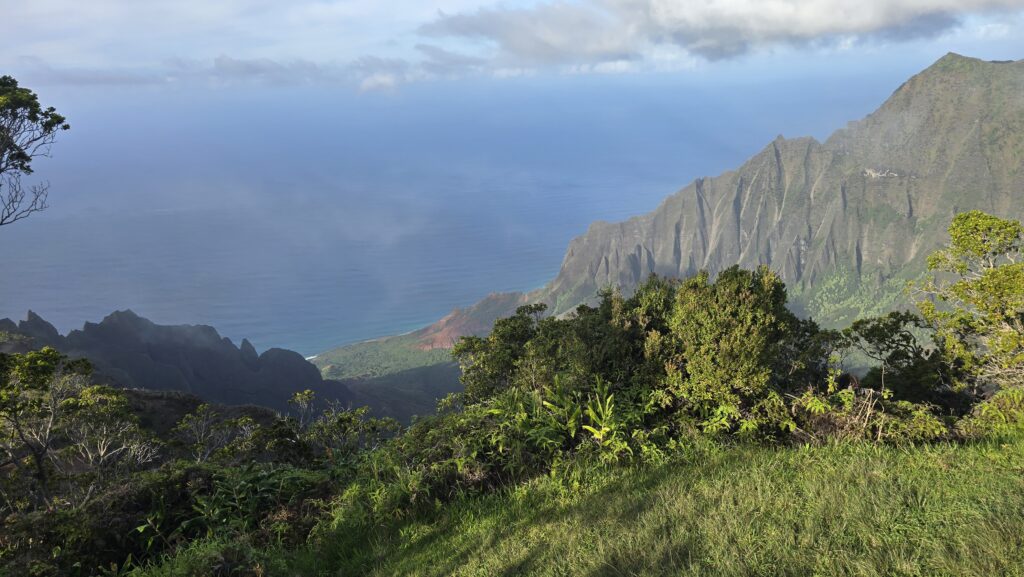
Hawaii has a reputation for being wildly expensive — and it can be — but it doesn’t have to completely drain your savings. With smart planning, a willingness to skip overpriced tours, and a focus on what truly matters (nature, beaches, and time with family), you can have an unforgettable Hawaii trip without the financial hangover.
We spent 10 nights between the Big Island and Kauai over Christmas 2025, and while we kept costs down, we didn’t skimp on experiences. We saw volcanic craters, black sand beaches, beaches with sea turtles and monk seals, and some of the most stunning landscapes I’ve ever laid eyes on — and most of our activities were completely free.
Here’s exactly what we did, where we stayed, and how we kept our costs down to the bare minimum.
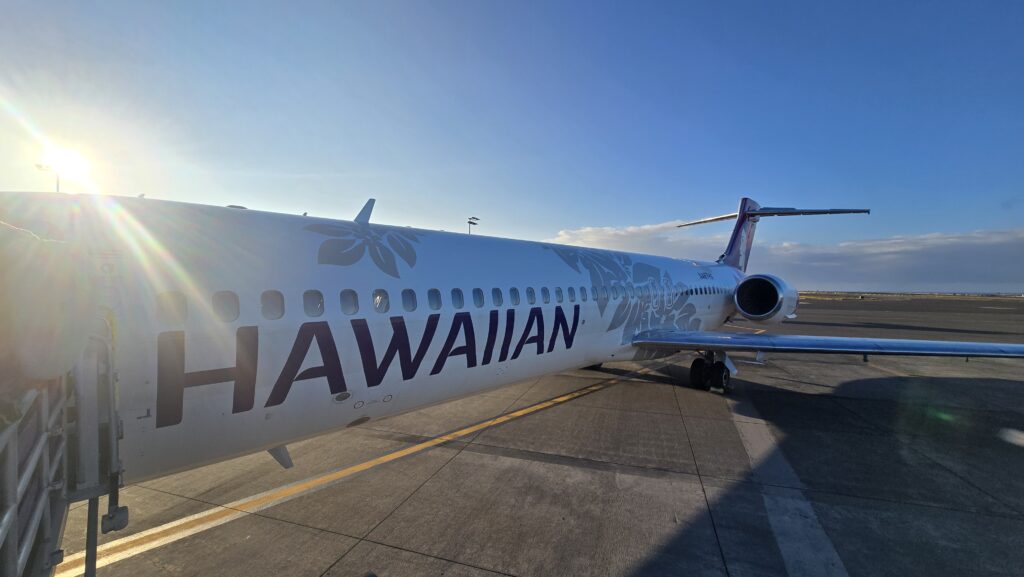
We purchased our flights in early March, which gave us access to much lower prices — especially for travel during the holidays. I always search for the cheapest flights by using Google Flights to compare routes, then book directly with the airline so there’s no third-party headache if plans change.
Total round-trip per person: around $530 per person, including the inter-island transfer from the Big Island to Kauai.

Average nightly cost: $200–$350
Our best value stay of the entire trip was at The Greens at Waikoloa on the Kona side. This place was very spacious, with two levels, and had three bedrooms, three full bathrooms, a kitchen, living area, washer/dryer, a balcony with a view of the volcano, and the most comfortable bed I’ve ever slept in. Ironically, it was also the cheapest place we stayed, totaling just under $600 for the three nights.
One thing to note is that air conditioning is an additional $10/day, and if you want it, they will give you a key at check-in that allows you to turn it on inside the unit. This was stated in the Airbnb listing, so it wasn’t an unexpected surprise.
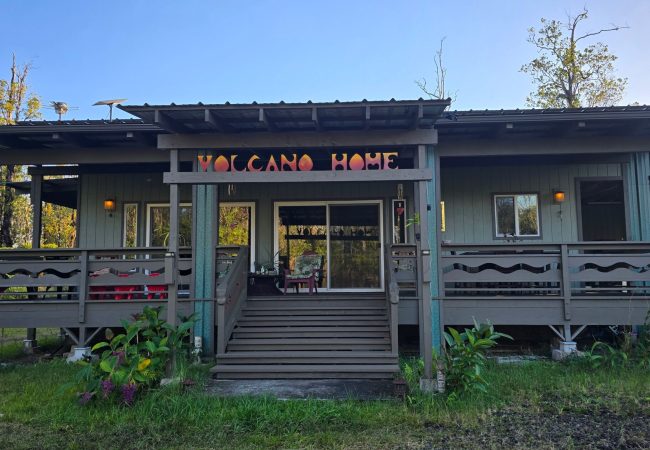
On the Hilo side, we stayed at a very secluded property known as The Volcano Home, which was featured in an episode of the Discovery Channel. It is considered off-the-grid and is located about two miles down a gravel road, roughly 30 minutes from any stores — the ultimate getaway if you want peace, quiet, and privacy. This place ran us $660 total for the three nights.
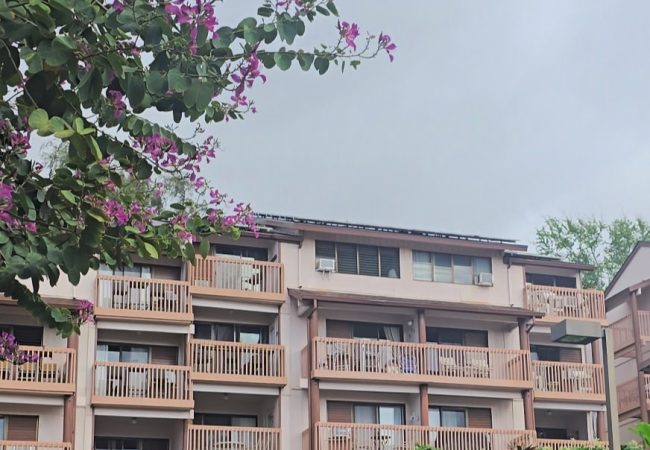
We stayed at Banyan Harbor in Līhuʻe. This was the most expensive of our three locations, which I assume is because it’s located on Kauai. This place was nice, but not quite as roomy as our first place near Kona. It was also a two-story unit and had two bedrooms, 1.5 bathrooms, a pull-out sofa in the living room, a kitchen, and a washer/dryer.
One thing that was a first for us is that the A/C was on a timer, so the maximum time you could run it was six hours without resetting it. It had a knob on the wall similar to a jacuzzi timer.
Total for four nights: around $1,300.
Līhuʻe worked well as a central base, making it easier to reach both the north and south shores.
Turo is a peer-to-peer car-sharing platform, like Airbnb but for vehicles. We rented SUVs on both islands and found pricing with Turo to be very reasonable.
Big Island: Toyota Highlander, 6 days — just under $600
Kauai: Kia Sorento, 4 days — just under $700
On the Big Island especially, a rental car is essential. Distances are real, and public transportation won’t cut it.
We spent around $250 total on gas. The price per gallon was about $4.95 at the time of our visit.
We ate out once the entire trip. That one time cost us about $40 per person at a Mexican restaurant near our Airbnb in Kauai.
Grocery costs for 6 people, 10–11 days: roughly $800–$900
Yes, groceries are more expensive than on the mainland, but not as bad as I was anticipating:
A gallon of milk: ~$5
A dozen eggs: ~$10
Great Value loaf of bread: ~$5.50
Half-gallon of Blue Bunny ice cream: ~$11
Still, buying groceries and cooking instead of dining out made a HUGE difference in the overall cost of our trip.
One of our splurges was getting coffee from a few of the adorable coffee shops throughout Hawaii. A large drink with tip averaged $13. One of my favorites was Melrose Place in Līhuʻe on the island of Kauai. They had an iced brown butter caramel latte that I could drink every single day, and the shop is adorable.
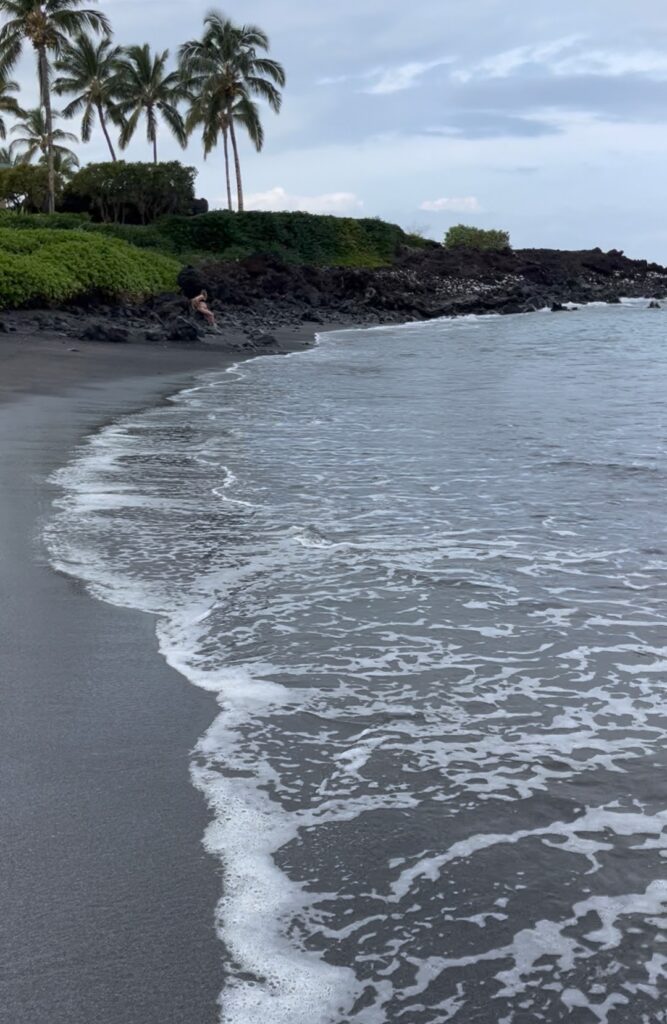
After roughly 12 hours of travel and a brutal five-hour time change, we weren’t about to pretend we had energy for anything ambitious. We checked into our Airbnb, gave ourselves permission to move slowly, and headed to check out 49 Black Sand Beach.
It’s not the most famous black sand beach on the island, but it was exactly what we needed — quiet, beautiful, and close enough that we didn’t have to overthink it.
Cost: FREE
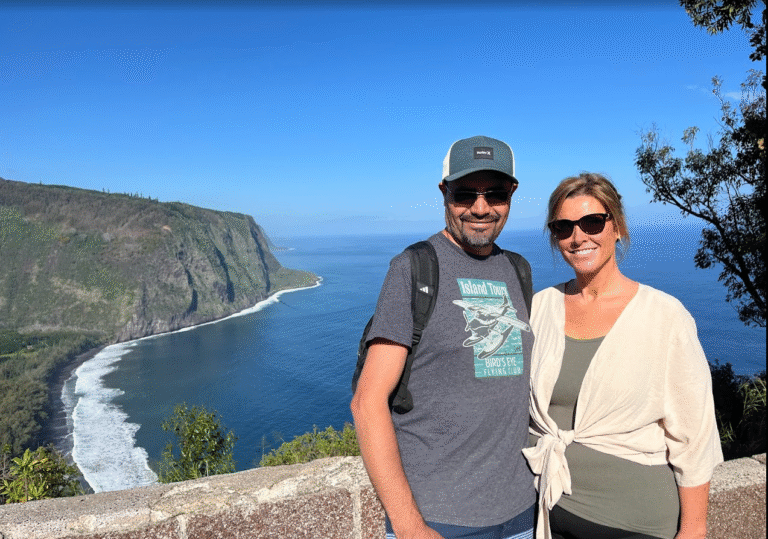
We started the morning at Waipiʻo Valley Lookout, which is gorgeous in that “pause and stare” kind of way. The valley drops dramatically below you, all green and lush and impossibly steep. But you can’t actually go down into the valley unless you’re local or you’ve booked a tour, so for most visitors, it’s a viewpoint and nothing more.
About an hour up the road was an even better view and a trail where you could actually hike down to a stunning black sand beach — the Pololū Trail.
This trail lets you hike about 430 feet down into the valley over a distance of approximately 0.6 miles. The hike back up is the hard part. At the trailhead, there’s a tent set up where locals warn hikers about what to expect, the dangers of swimming, and the fact that there aren’t any bathrooms along the trail. If you get caught going in the bushes, it’s an embarrassing $200 fine.
Next time, I’d skip Waipiʻo Valley Lookout and just drive straight to Pololū. The views are prettier, and you can hike down into the valley if you’re up to the challenge.
Parking is free along the side of the road, but make sure your car is facing the direction of traffic on whichever side you park.
Cost: FREE
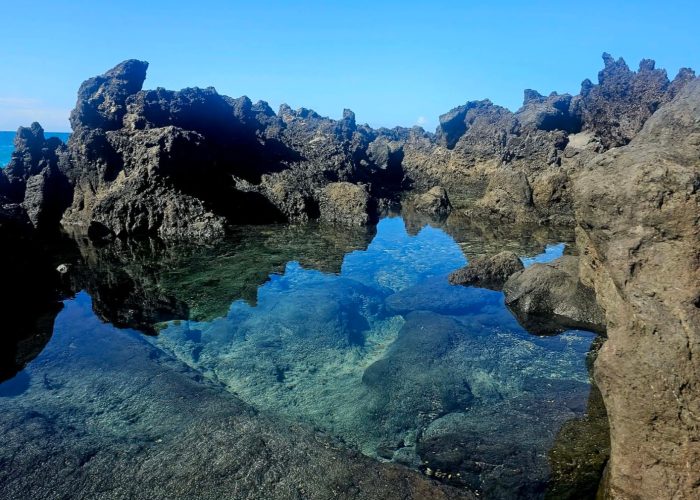
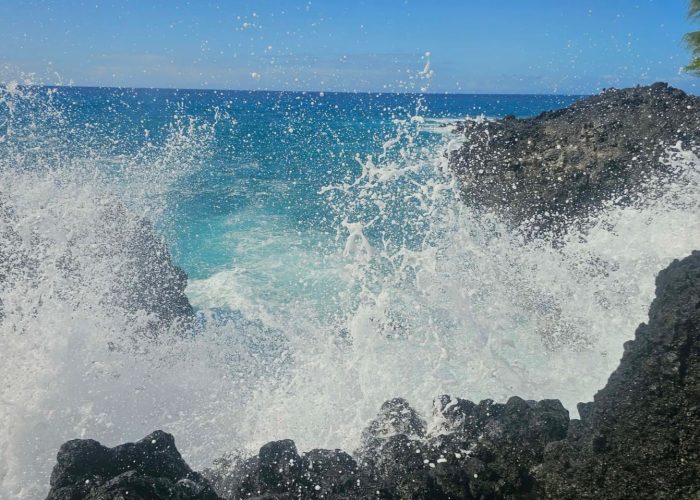
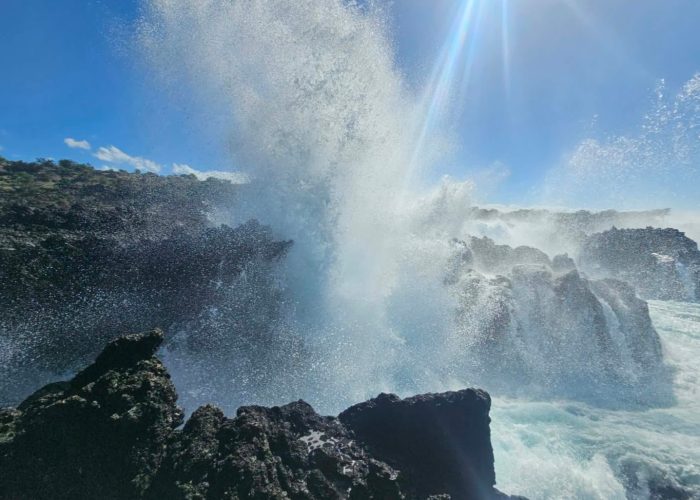
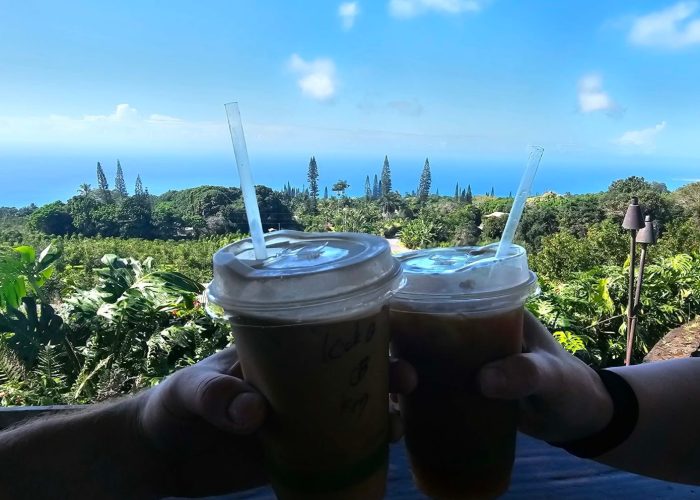
On our third day, we crossed the island from Kona to Hilo and let the drive set the pace. No agenda. Just “stop when it looks good” energy.
We pulled off near the Lekeleke / Kuamoʻo burial grounds, and just a short walk down a gravel road, you’ll see lava cliffs dropping straight into huge crashing waves. Wild goats also wander around this area like they own the place. I highly recommend stopping here if you’re in the vicinity.
We also stopped at Heavenly Hawaiian Coffee Farm, which turned into one of those unexpectedly perfect moments. Great coffee. Sweeping views. The kind of place that reminds you why you travel.
Cost: FREE
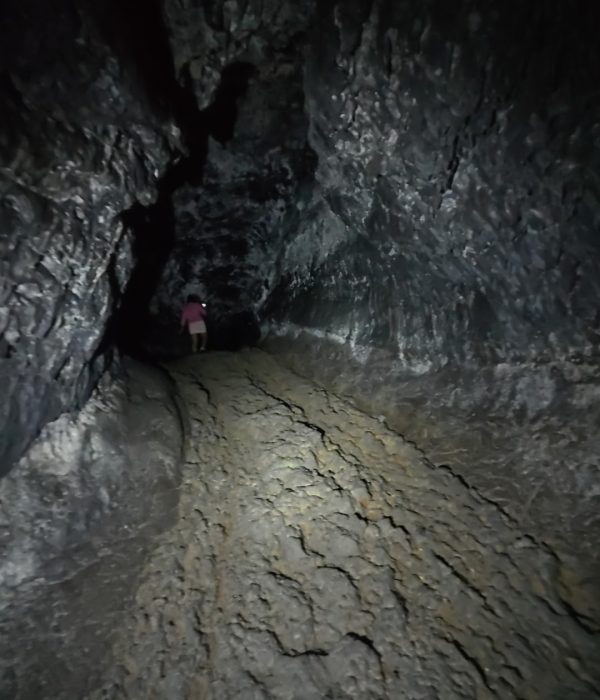
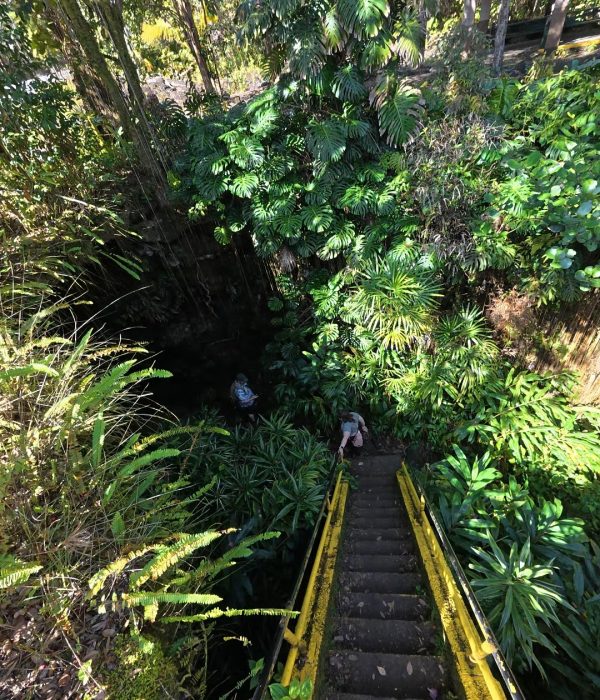
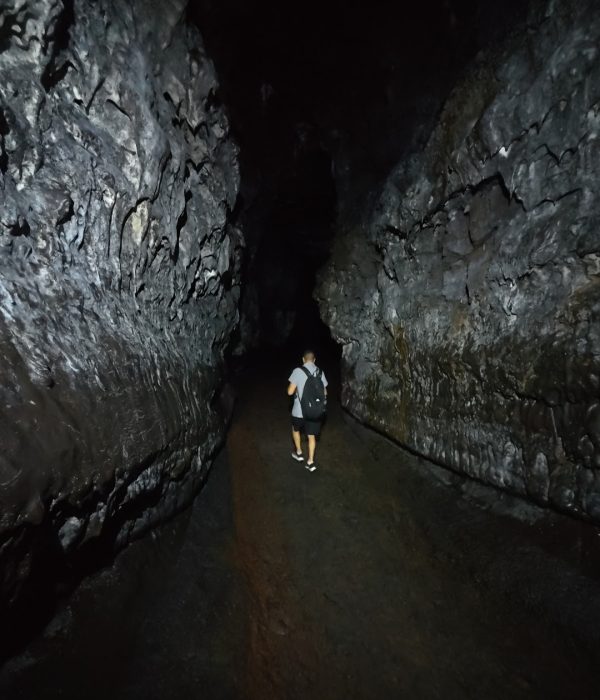
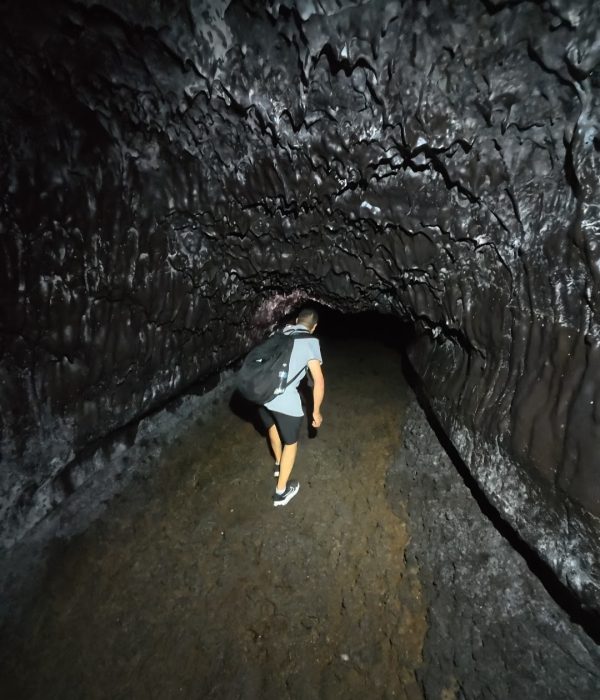
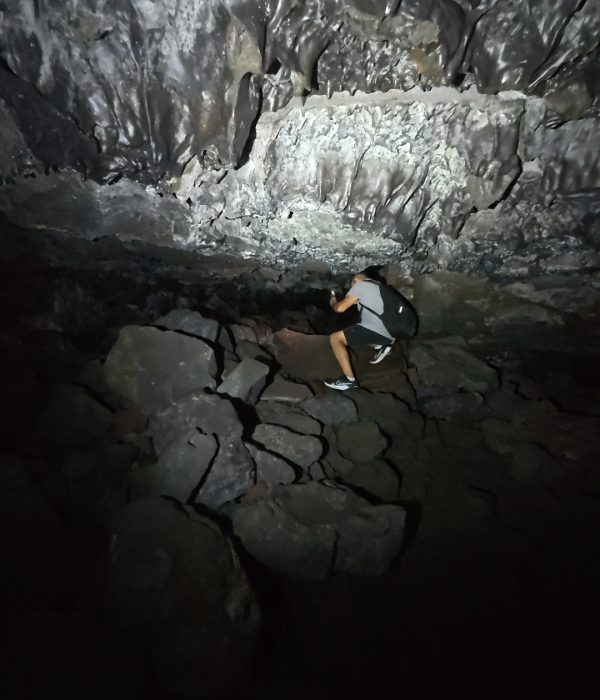
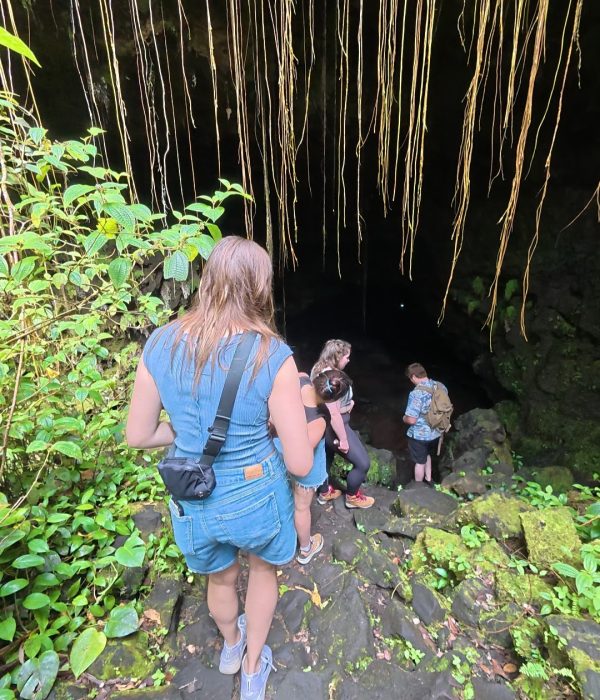
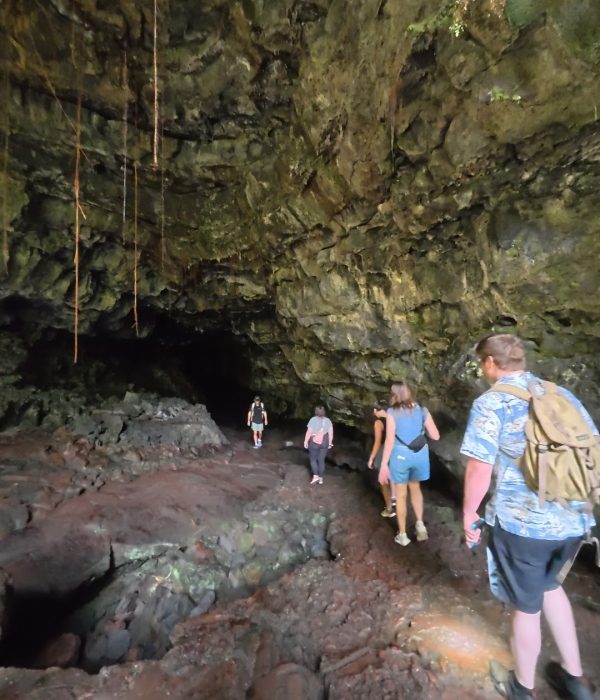
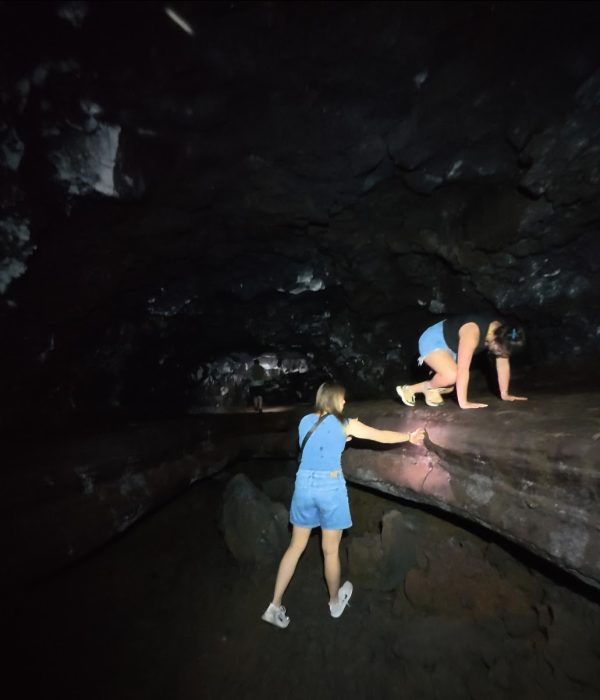
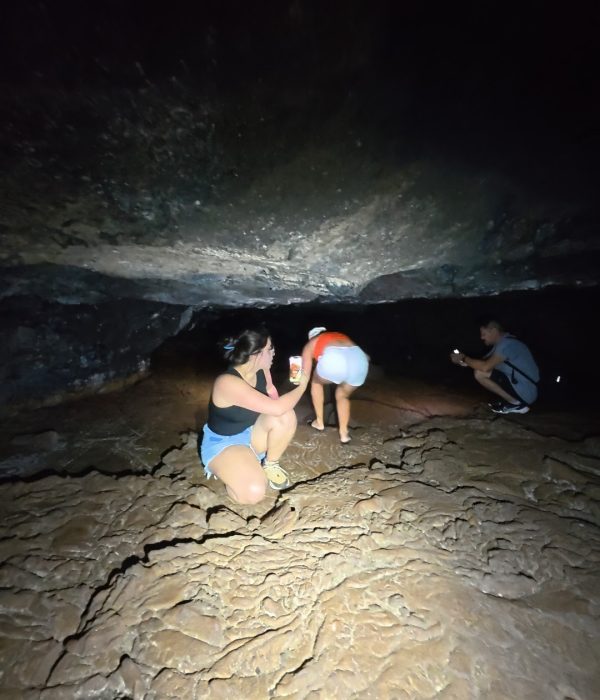
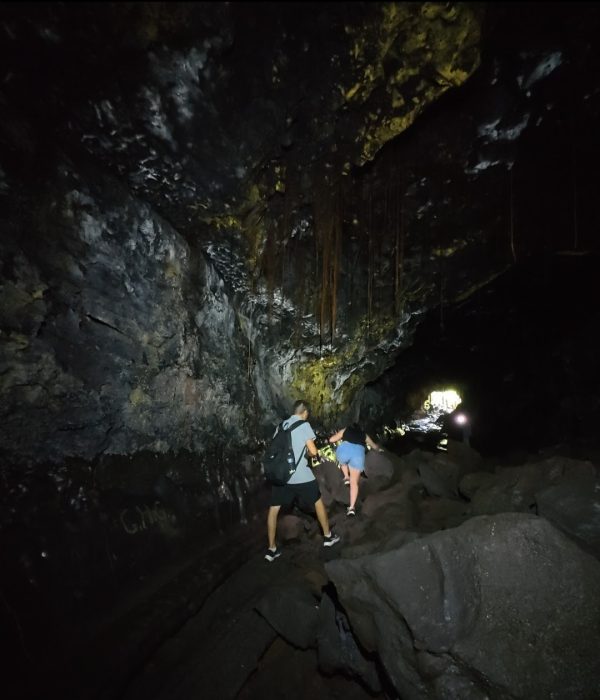
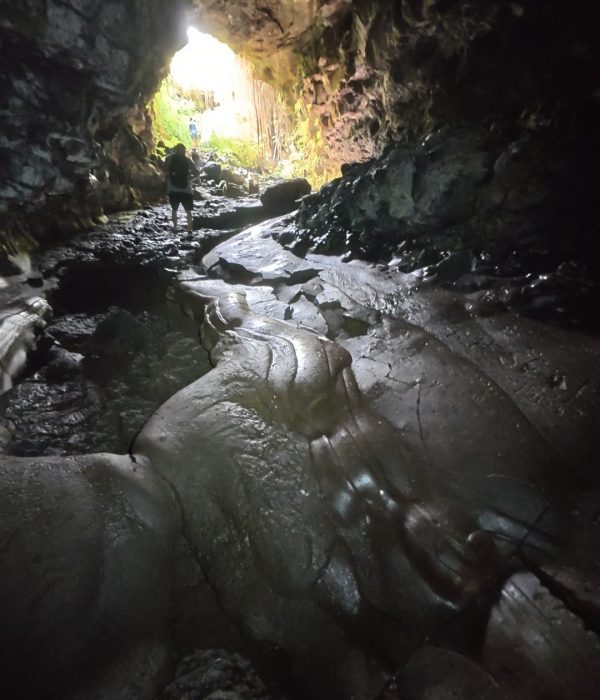
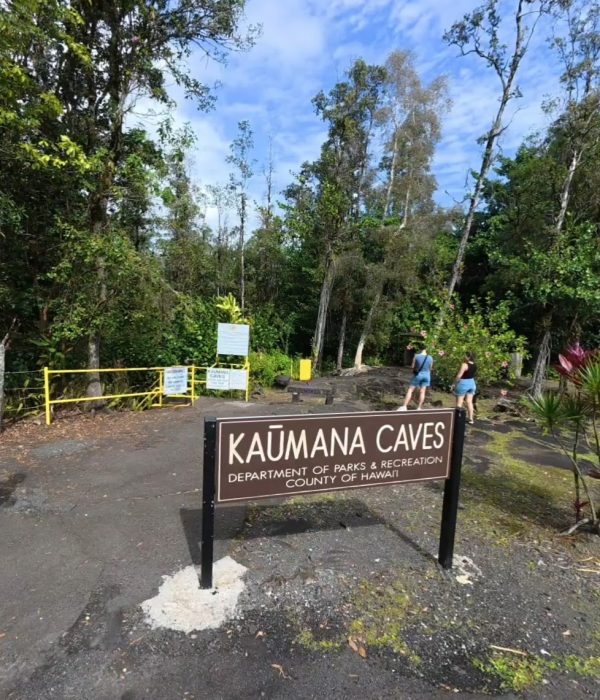
Kaumana Caves ended up being one of the most thrilling things we did on the Big Island.
But let’s be clear: this isn’t a casual tourist stop. It’s pitch black inside, slippery, and a little eerie. You descend some stairs, and then you can go left or right to explore two different lava tubes, both of which require ducking, careful footing, and a real flashlight (not just your phone). I’d also suggest taking a backup light and a buddy.
One side is wider. The other forces you to crouch more often. Both feel wild and surreal. Some of the lava has an almost glittery, metallic look to it.
Cost: FREE
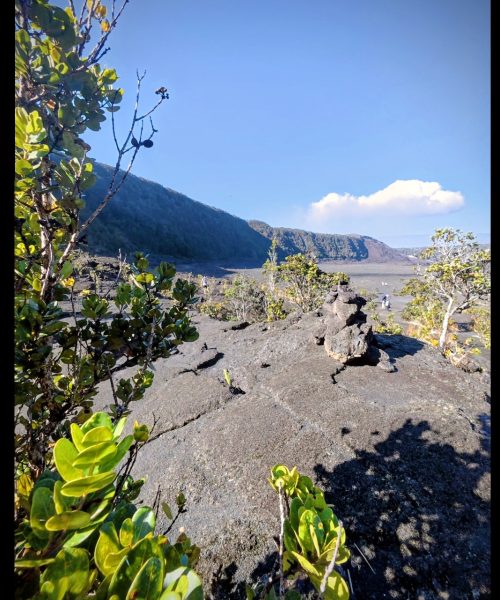
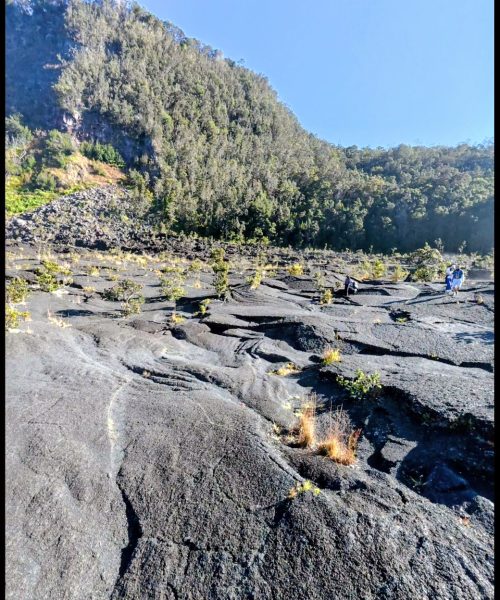
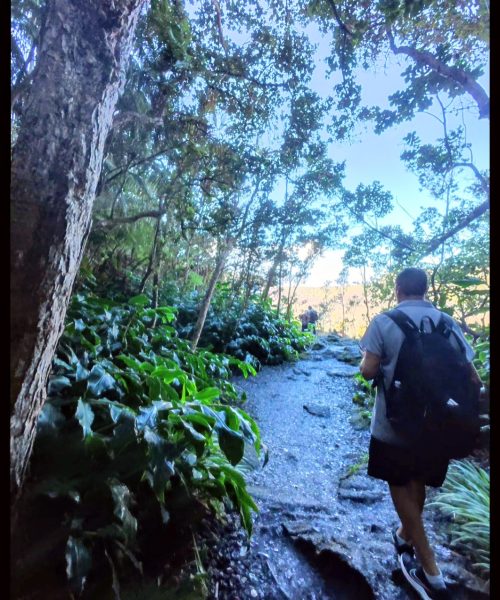
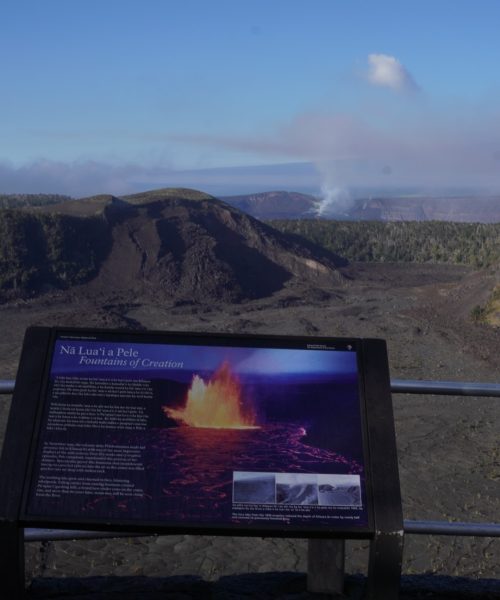
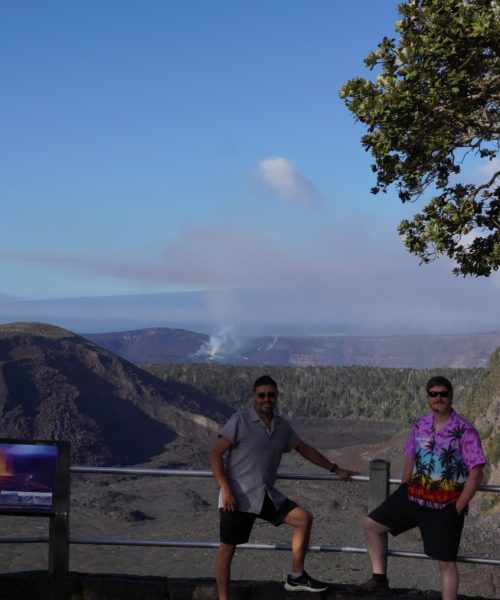
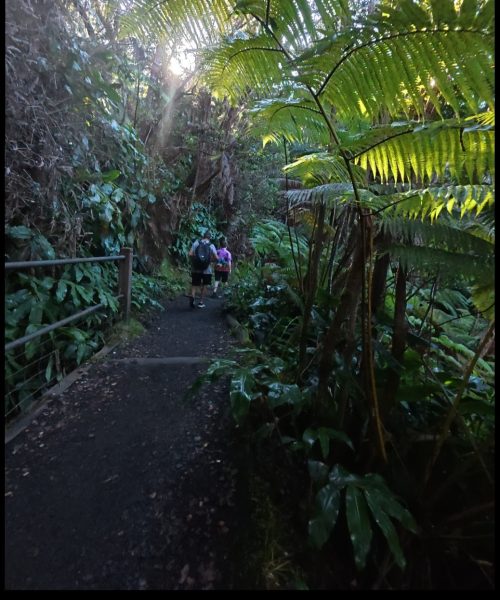
We hiked down the Kīlauea Iki Trail into a volcanic crater and across the hardened surface of a lava lake that erupted in 1959. You start in lush rainforest, descend about 400 feet, and suddenly you’re walking on cracked, hardened lava in a landscape that feels otherworldly.
Cost: $30 per car entry fee
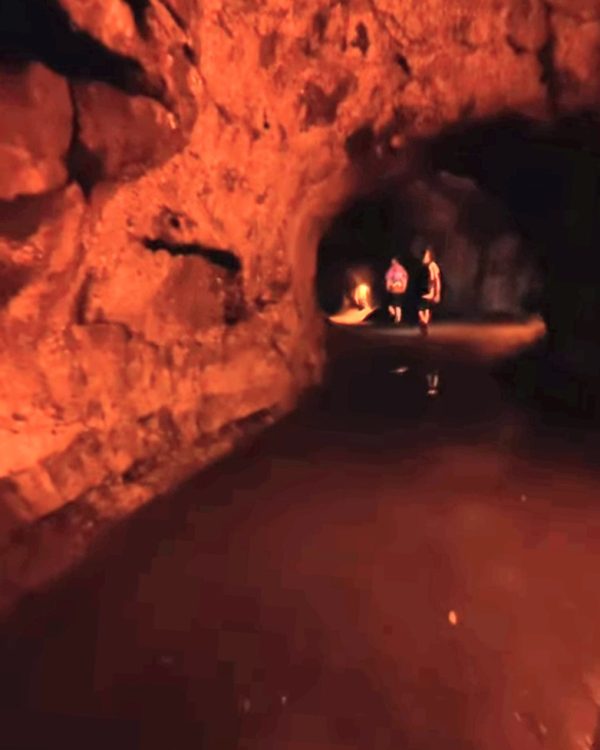
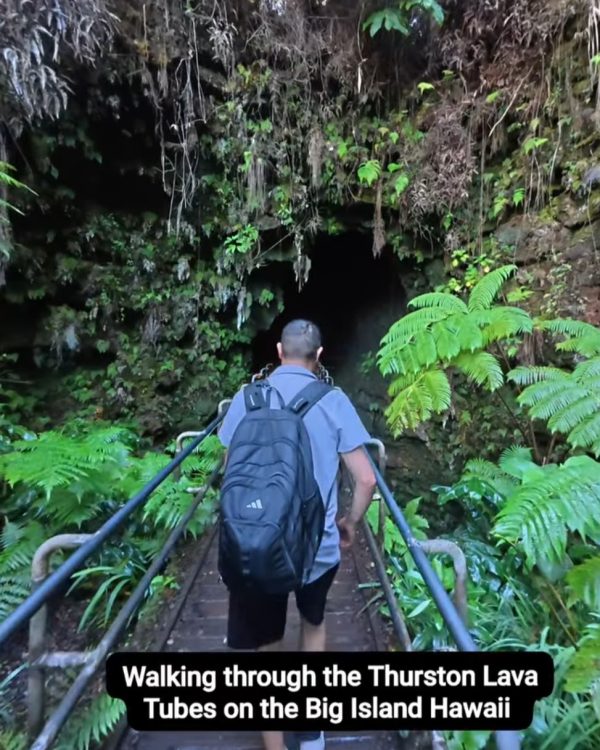
We also walked through the Thurston Lava Tube, which is an easier, more accessible lava cave experience than the Kaumana Caves. The path is lit during the day, with lots of space to walk through and relatively even terrain, aside from a few puddles.
Still cool. Still worth it. Just not as thrilling as Kaumana Caves.
Cost: Included with Volcano National Park entry
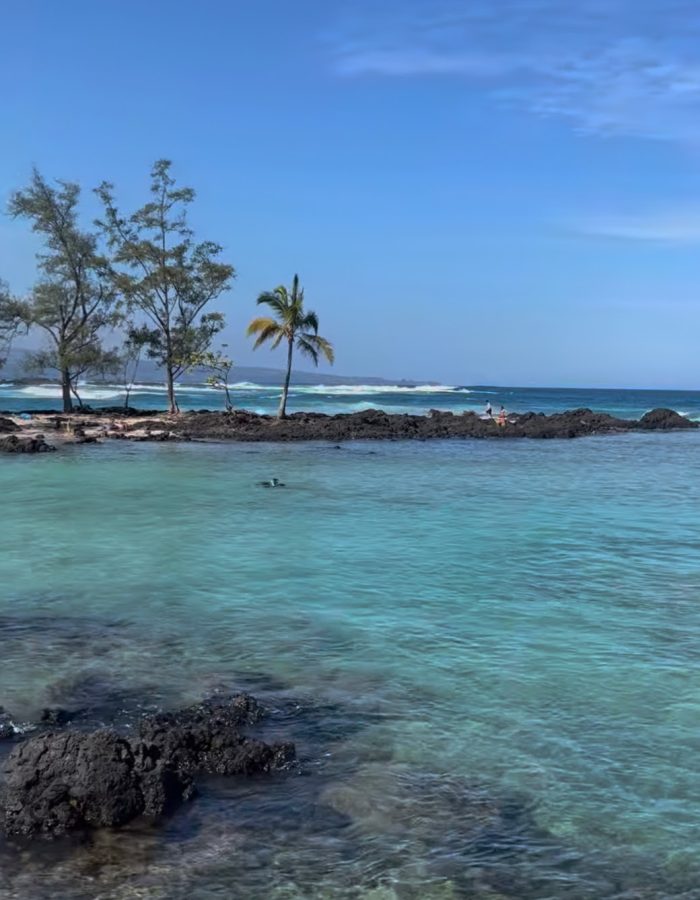
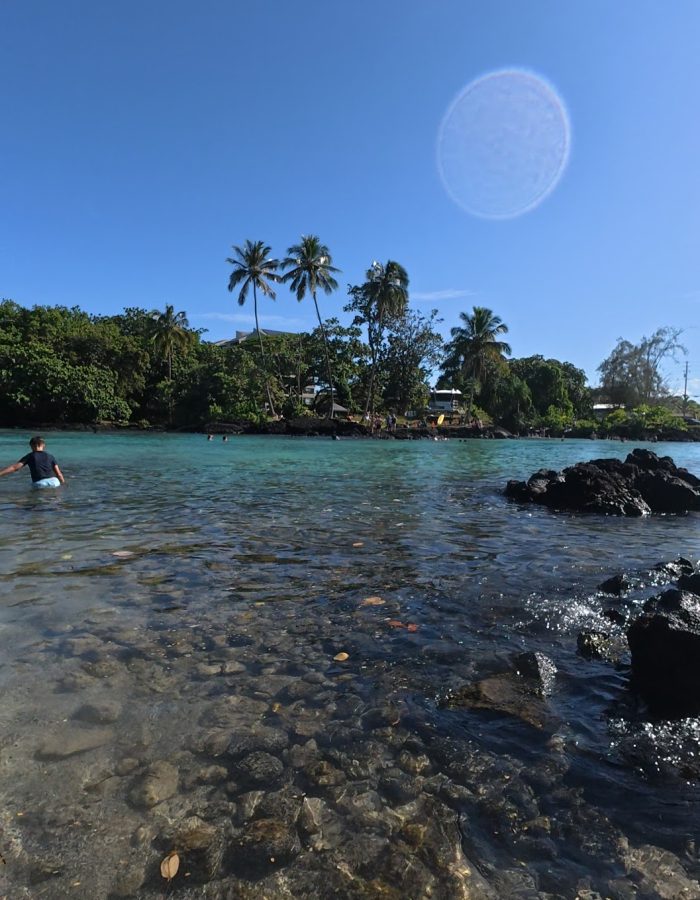
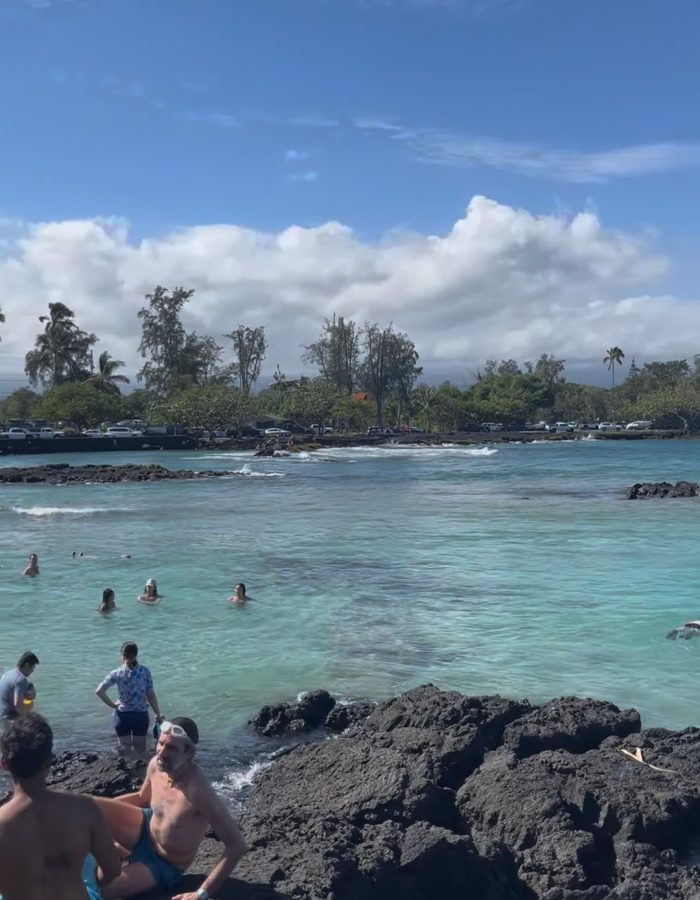
Later that afternoon, we unwound at Carlsmith Beach Park — calm water, good snorkeling, and bathrooms and lifeguards available.
Cost: FREE
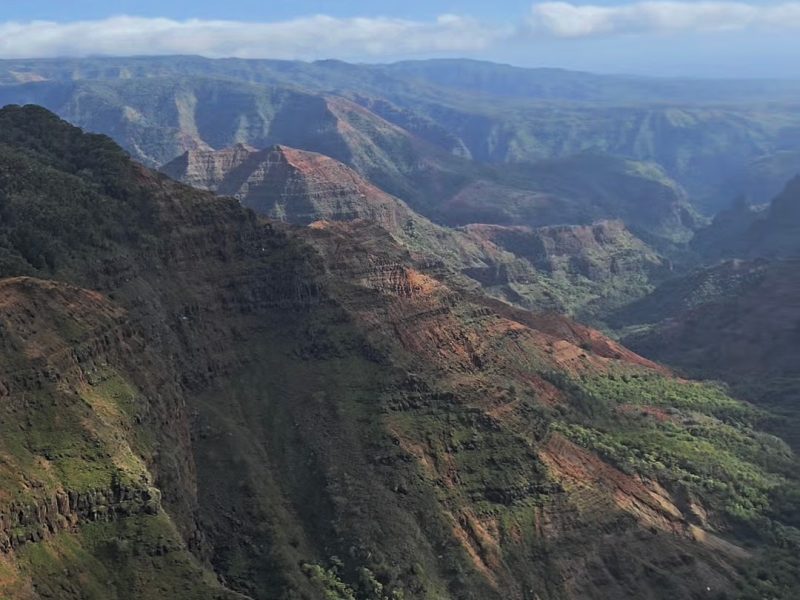
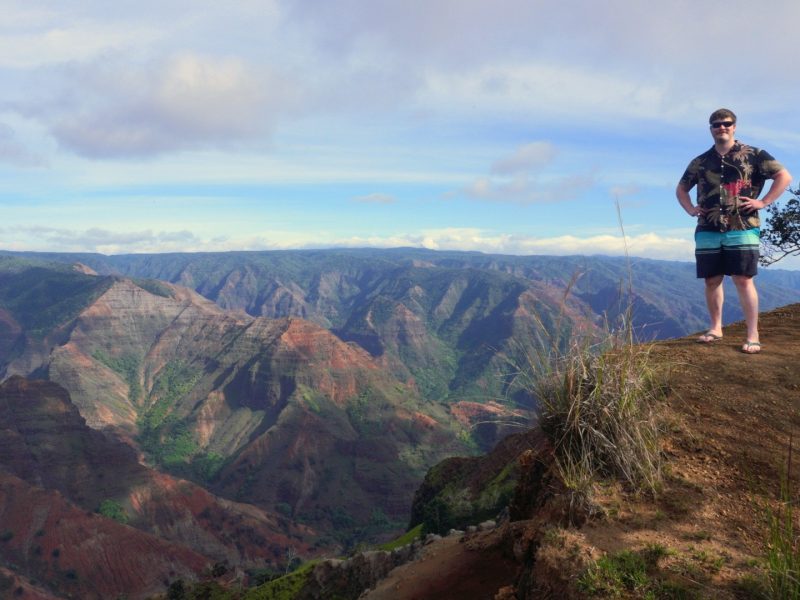
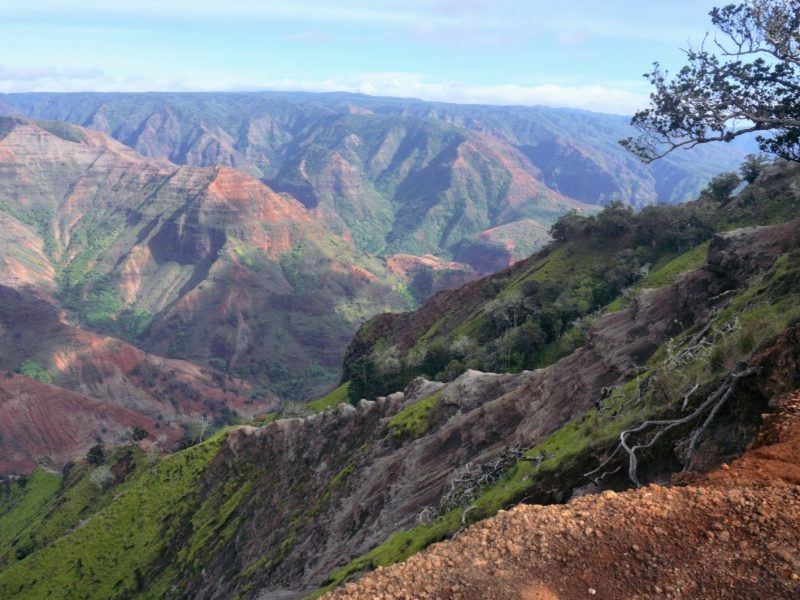
Our first day on Kauai, we had time to kill before checking into our Airbnb, so we drove straight to Waimea Canyon — the “Grand Canyon of the Pacific.” And yes, it earns the nickname.
Cost: $5 per person + $10 per vehicle if you choose to park and hike. Otherwise, you can pull over and enjoy the views for free.
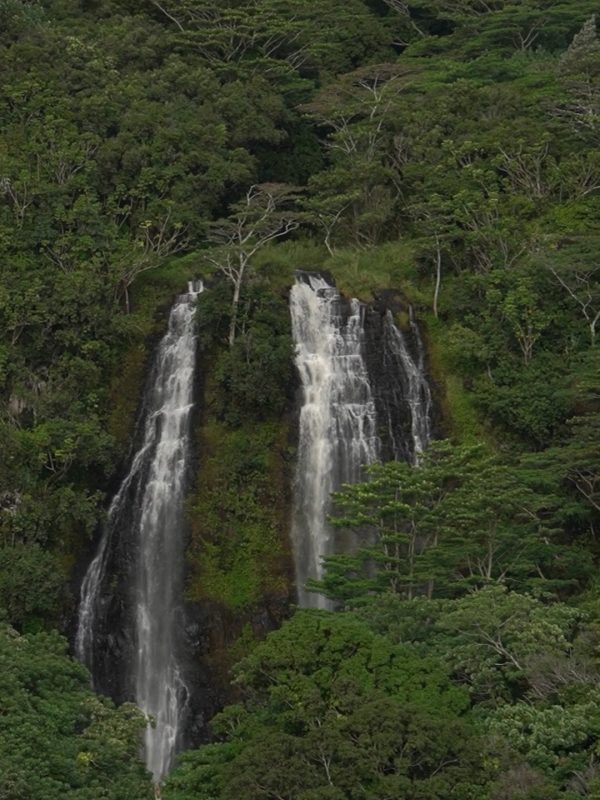
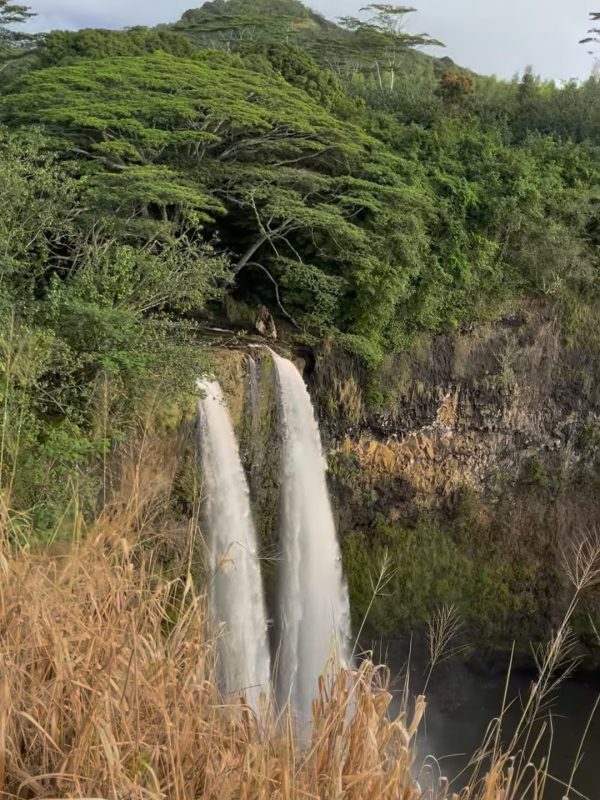
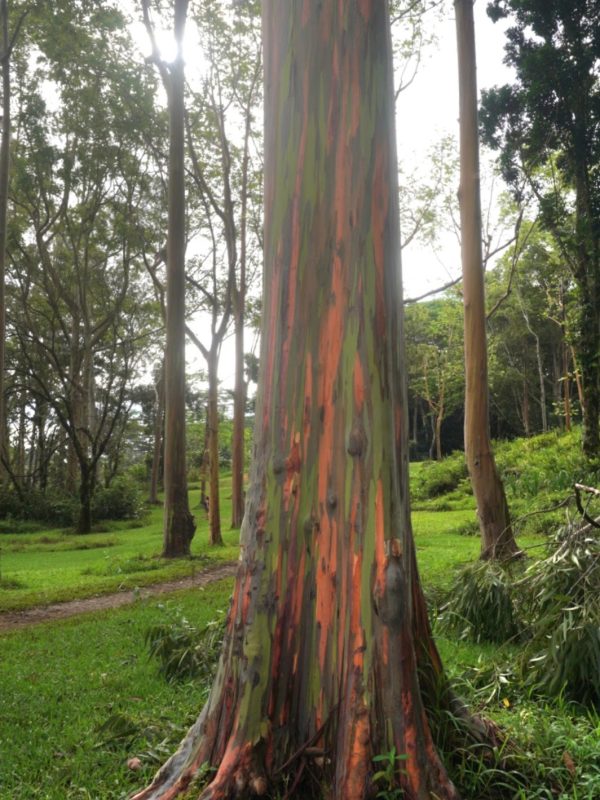
We stopped at ʻŌpaekaʻa Falls (easy roadside view) and Wailua Falls (stunning from above, but do NOT attempt to hike down — locals told us someone died there last year, and the trail is considered extremely dangerous). We also tracked down rainbow eucalyptus trees, which look like someone painted the trunks in watercolor stripes.
Cost: FREE
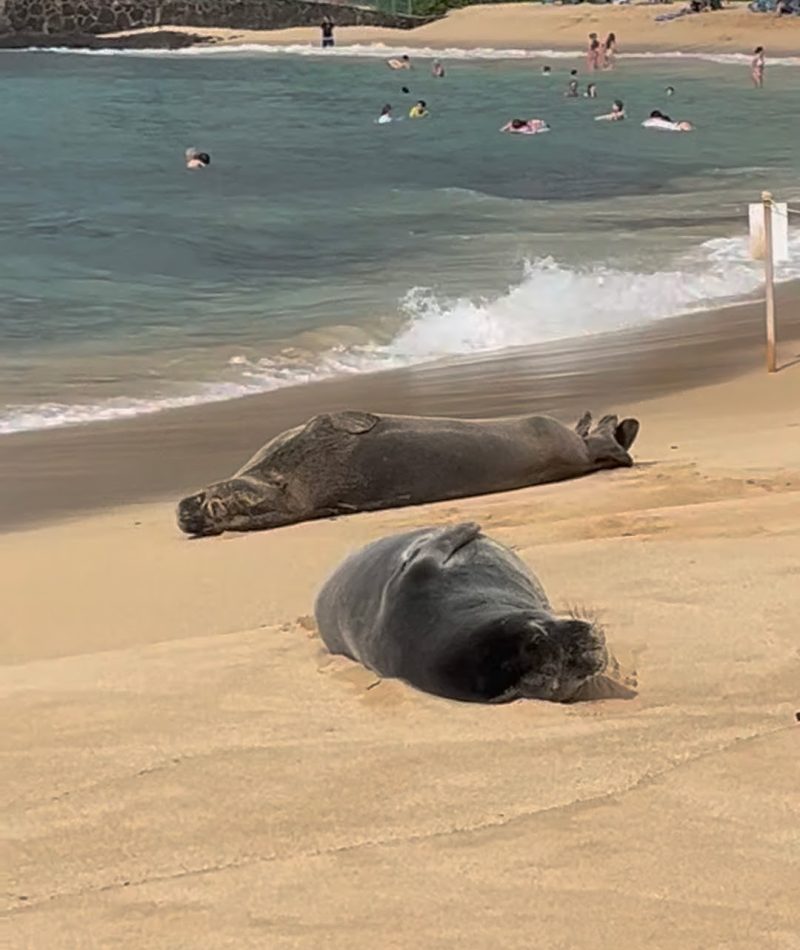
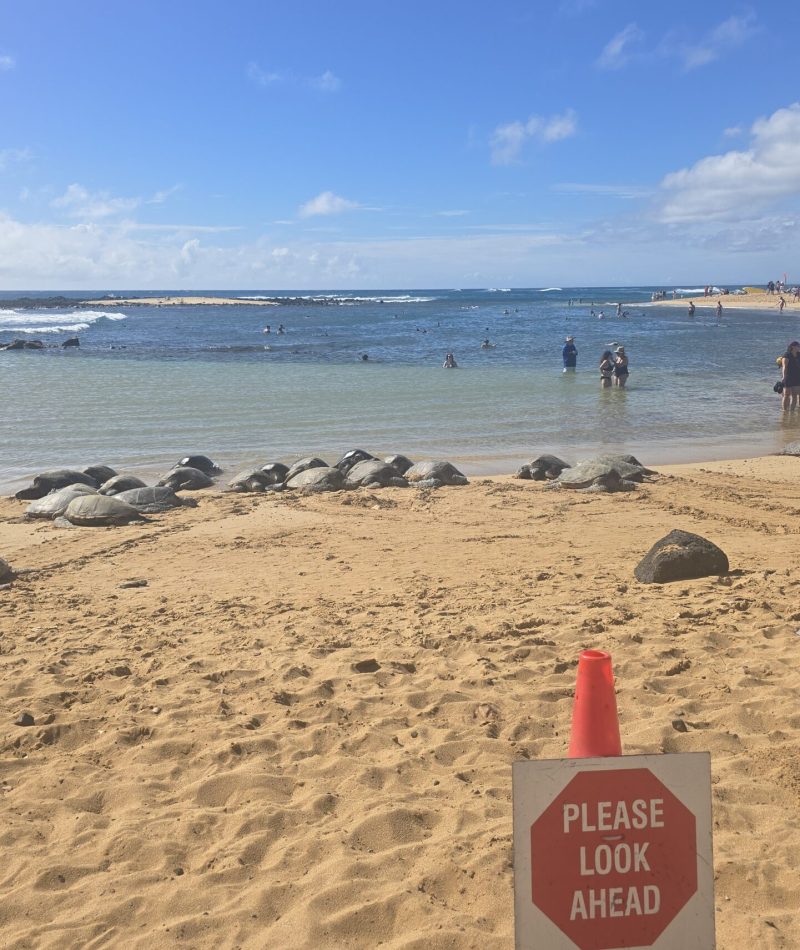
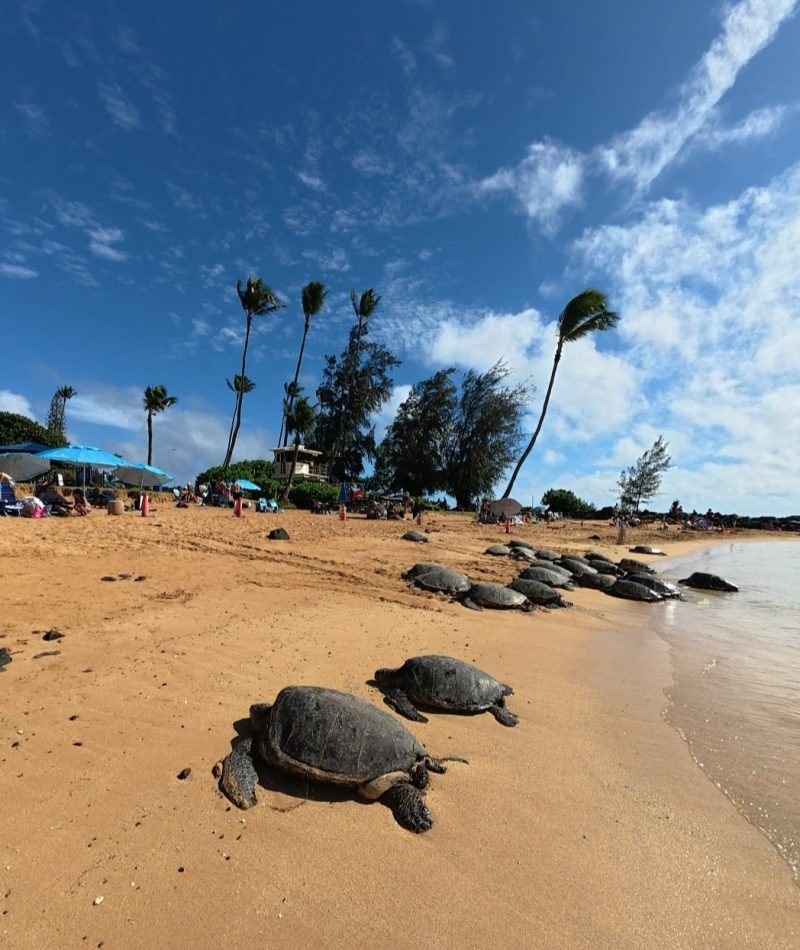
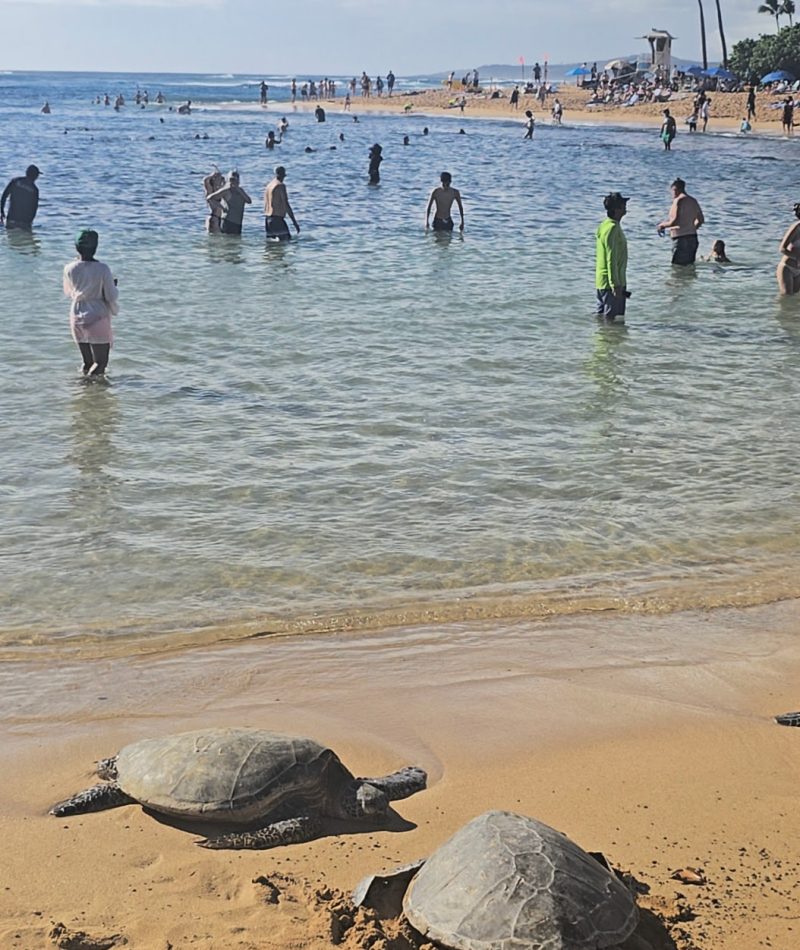
Poʻipū Beach quickly became our favorite spot. Clear water, calm waves, great snorkeling, sea turtles, and Hawaiian monk seals resting near the shore. There were also lifeguards on duty and restrooms nearby.
Cost: FREE
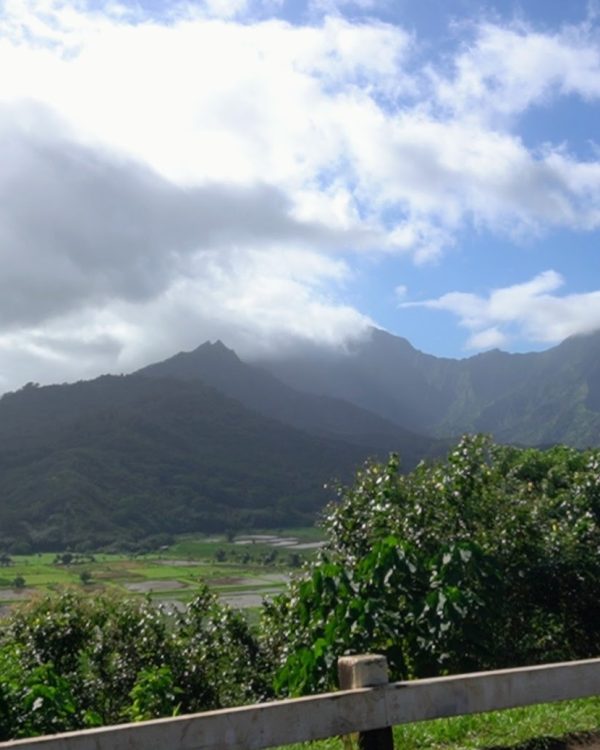
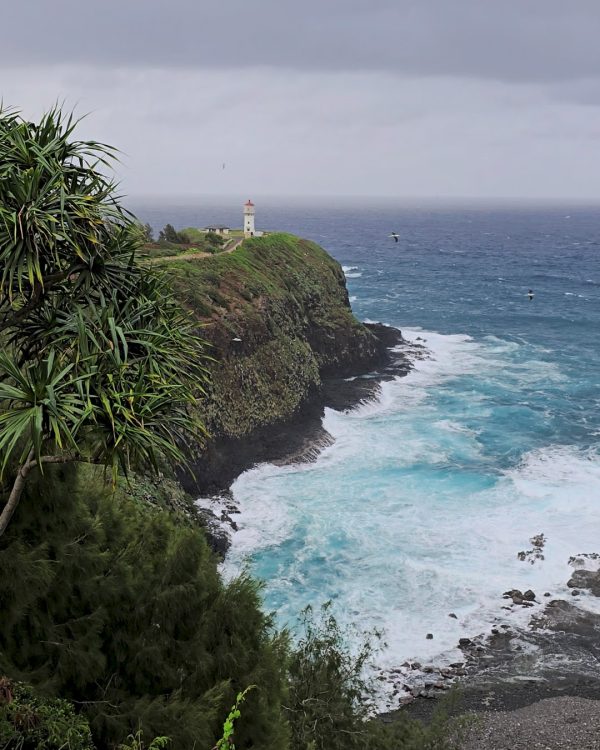

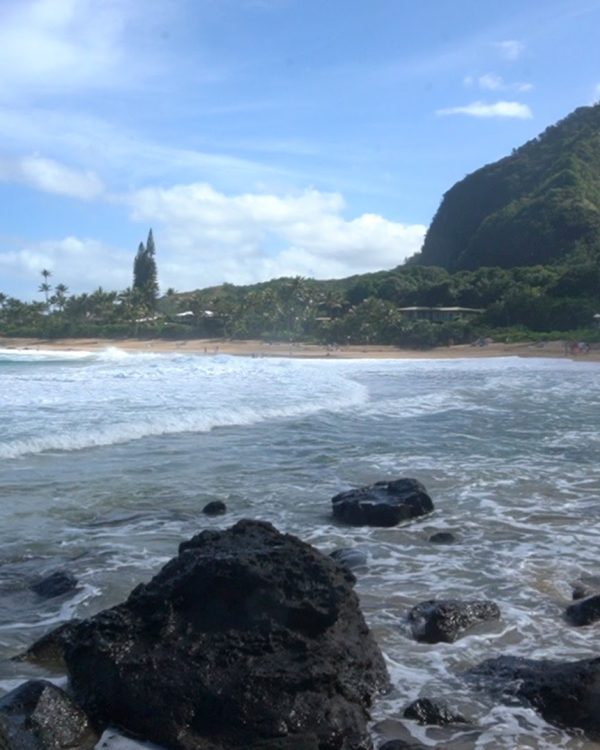
We spent a day driving around Kauaʻi’s North Shore without much of a plan, stopping wherever something caught our attention. One of our first stops was the Kīlauea Point Lighthouse. If you want to go all the way down to the lighthouse, you’ll need reservations ahead of time. Even without reservations, it’s still worth stopping for the views and photos.
If you’re planning to visit Keʻe Beach or hike the Nā Pali Coast trail, you’ll want to plan ahead. Access is managed by Hāʻena State Park, and reservations are required. They can fill up quickly, so it’s best to book in advance through the official state park website.
Another easy stop along the North Shore is the Maniniholo Dry Cave, located right across the road from Tunnels Beach. This large lava-formed cave is free to visit and doesn’t require reservations. You can walk straight in during daylight hours. The floor is sandy, and the ceiling gradually gets lower the farther you go.
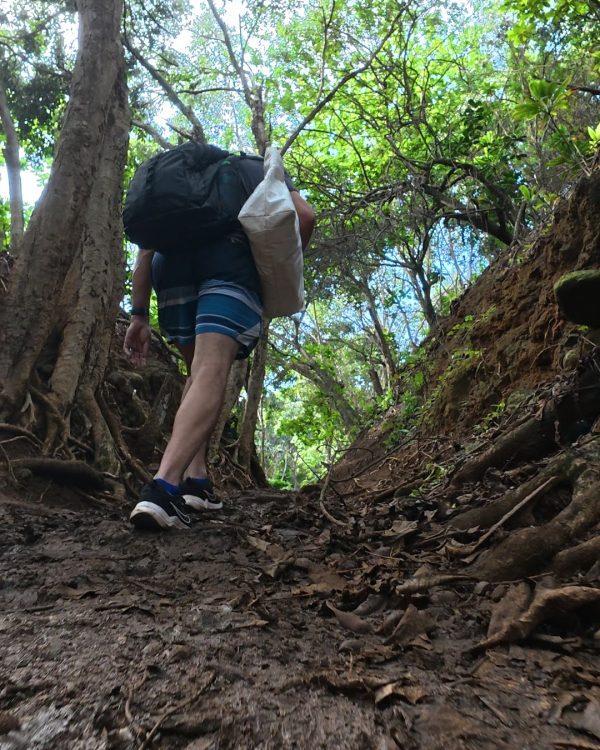
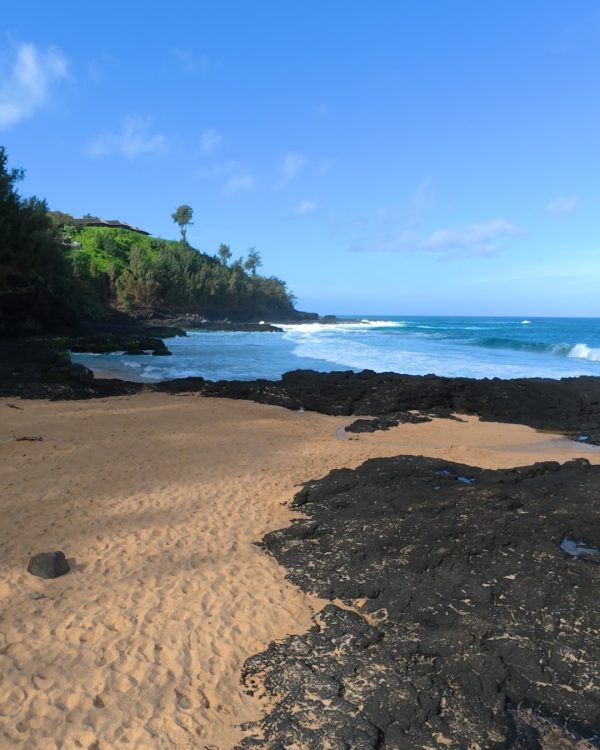
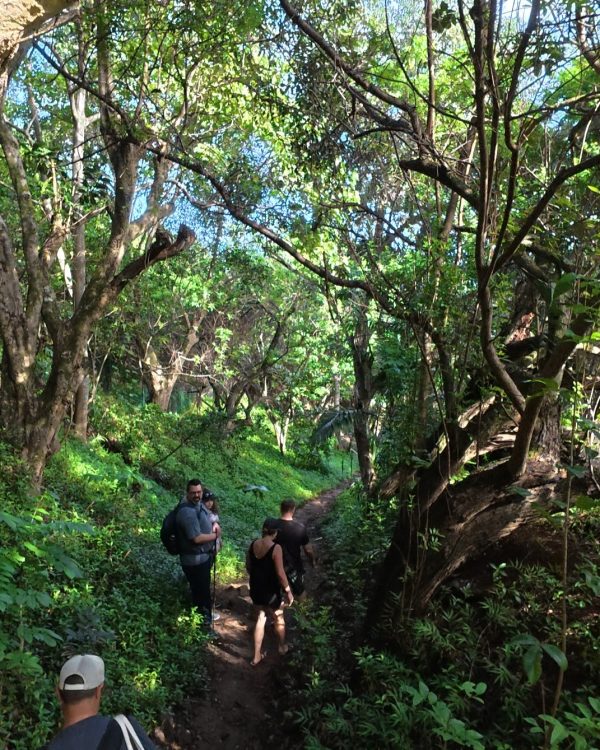
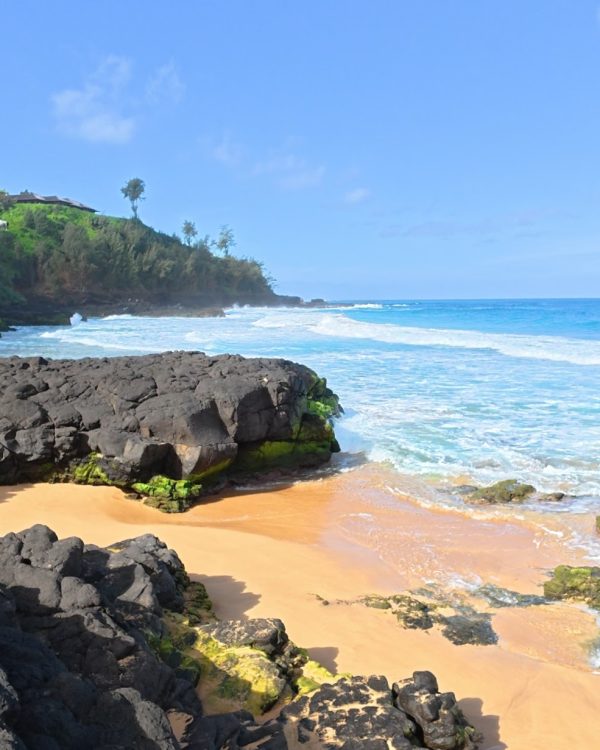
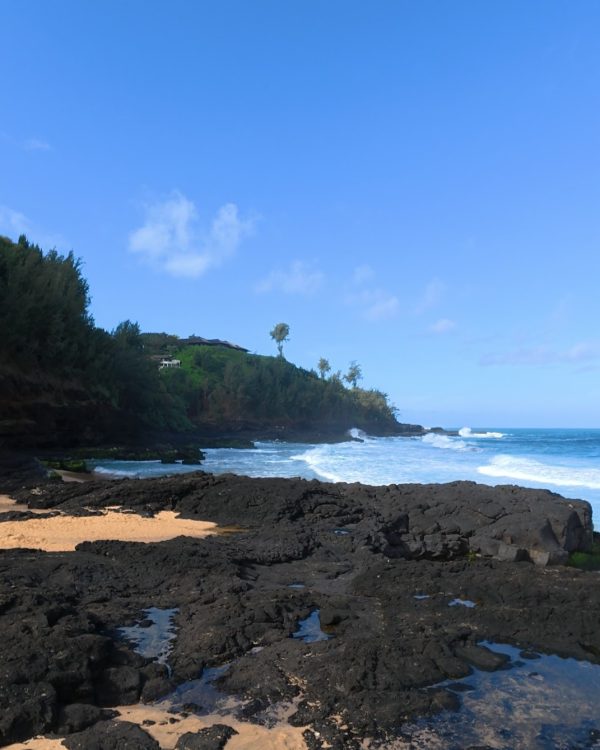
We also hiked down to “Secret” Kauapea Beach. The trail is steep and can be muddy, so good shoes help. The beach itself is beautiful for photos, but the ocean was too rough for swimming. I prefer calm, clear water with small waves.
Book reservations early for Hāʻena State Park and Kīlauea Point Lighthouse if you want full access.
If you’re going to splurge on one thing in Kauai, make it a way to see the Nā Pali Coast — by boat, helicopter, or small plane. We skipped it to keep costs down, but it’s the one thing I’d add next time.
Hawaii doesn’t have to be a once-in-a-lifetime trip reserved for people with unlimited budgets. With a little planning, a willingness to skip the overpriced extras, and a focus on what the islands already offer for free, it’s absolutely possible to experience Hawaii in a meaningful way without overspending. This trip was proof that you don’t have to choose between unforgettable experiences and financial sanity—you can have both.
