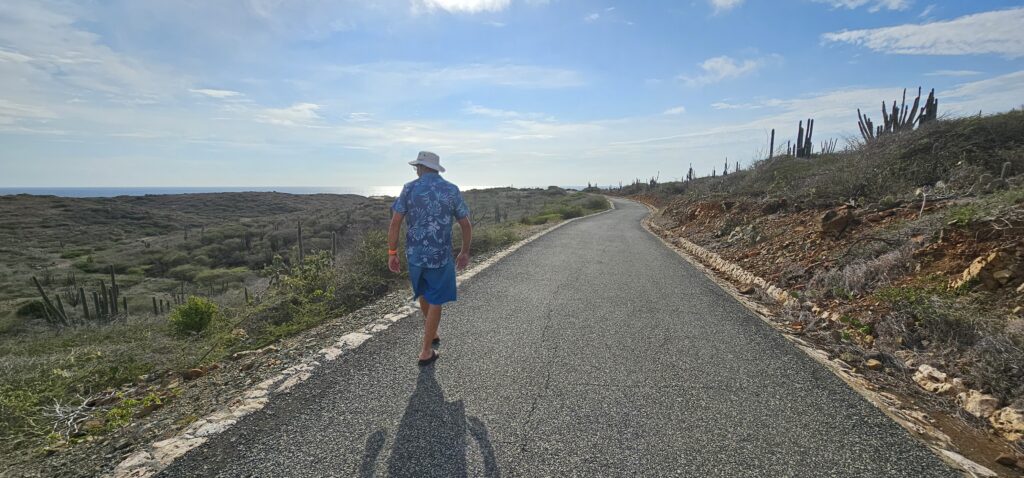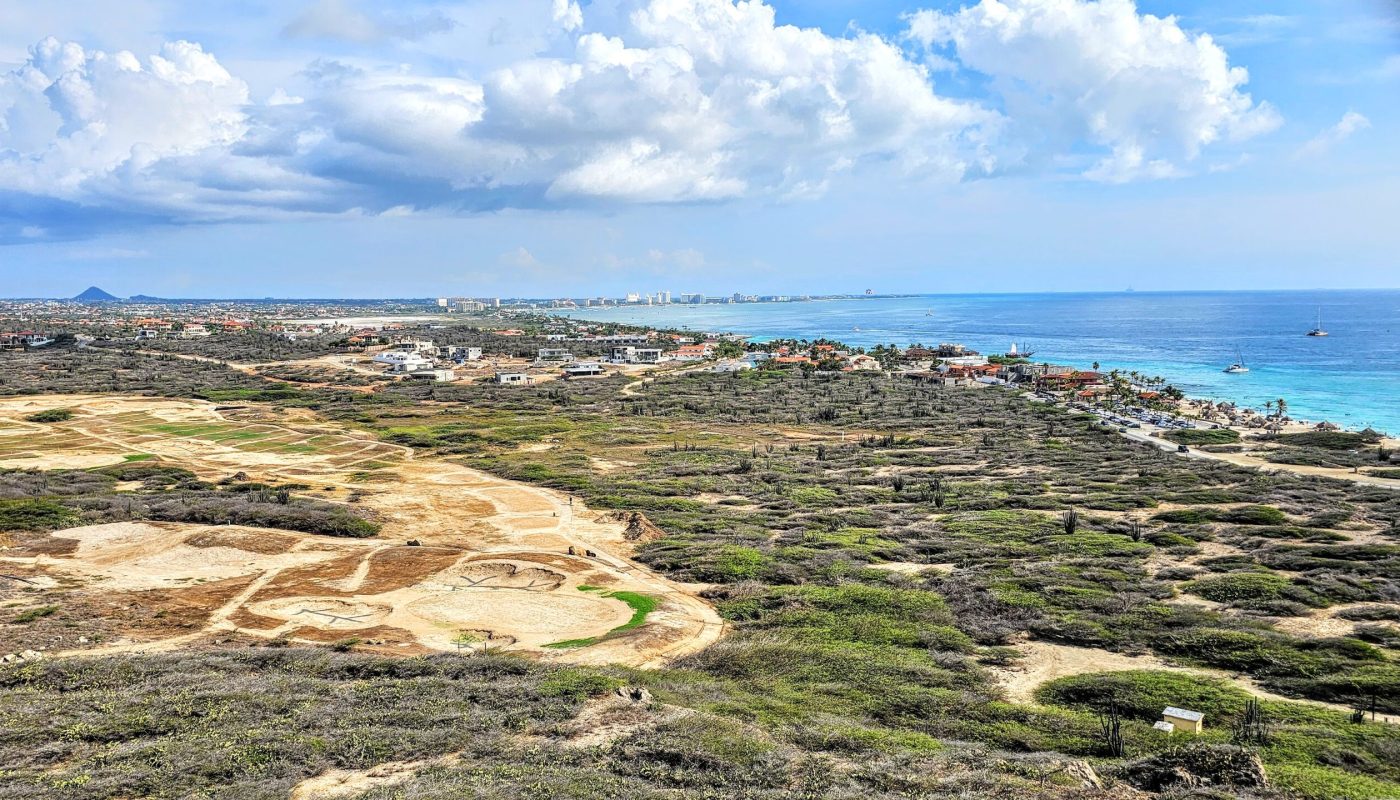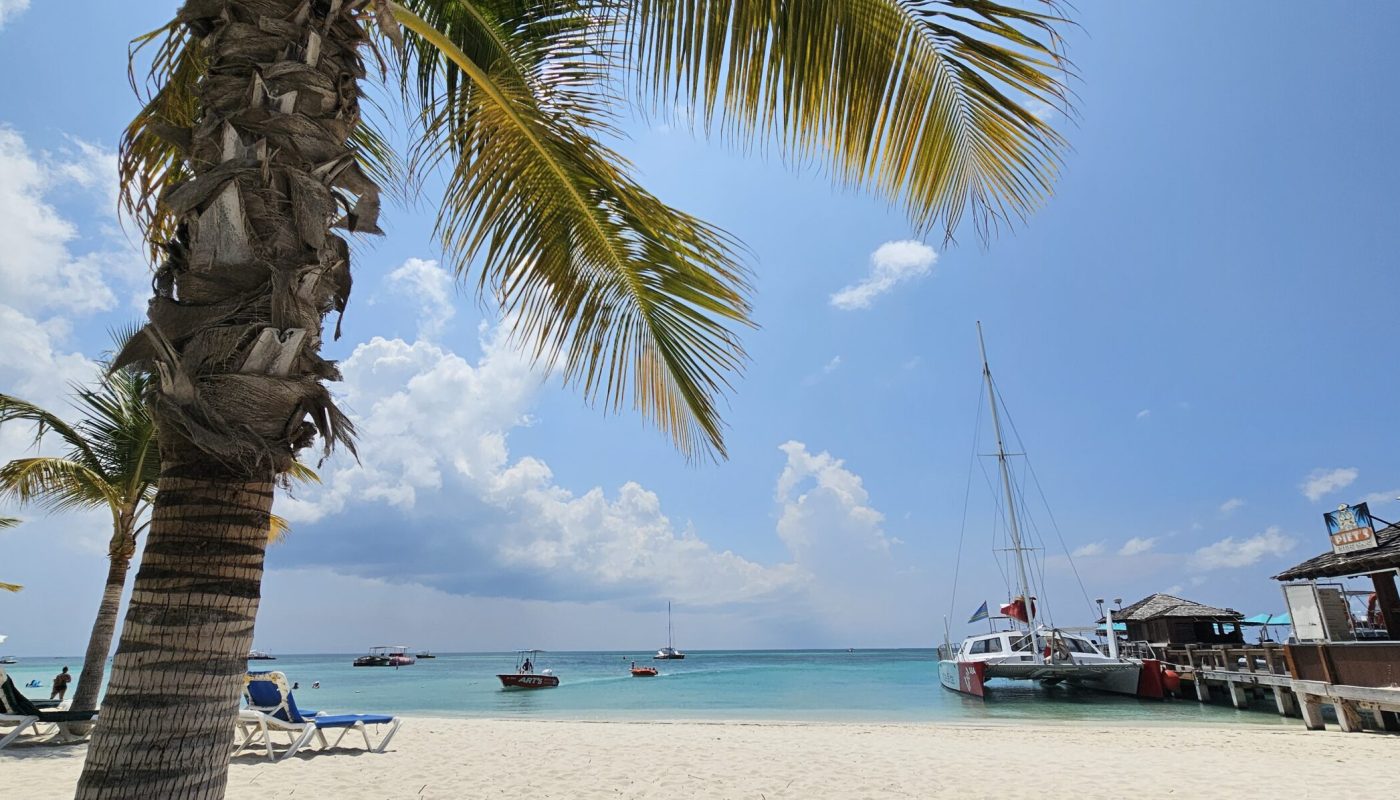
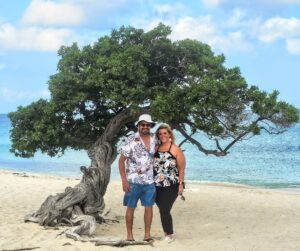
Aruba is known for its stunning beaches — that perfect stretch of white sand, calm turquoise water, and sunshine basically every single day. And yes, all of that is real and worth every minute. But there is a whole other side of the island that most people never bother to see. The north coast is rugged, windy, and nothing like the resort strip — and that’s exactly what makes it worth exploring.
A Little Background
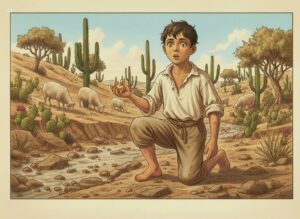
Most people have no idea Aruba had a gold rush. It started in 1824 when a 12-year-old boy named Willem Rasmijn found gold while herding sheep in the hills of Rooi Fluit. Word got out fast and the island was soon flooded with prospectors.
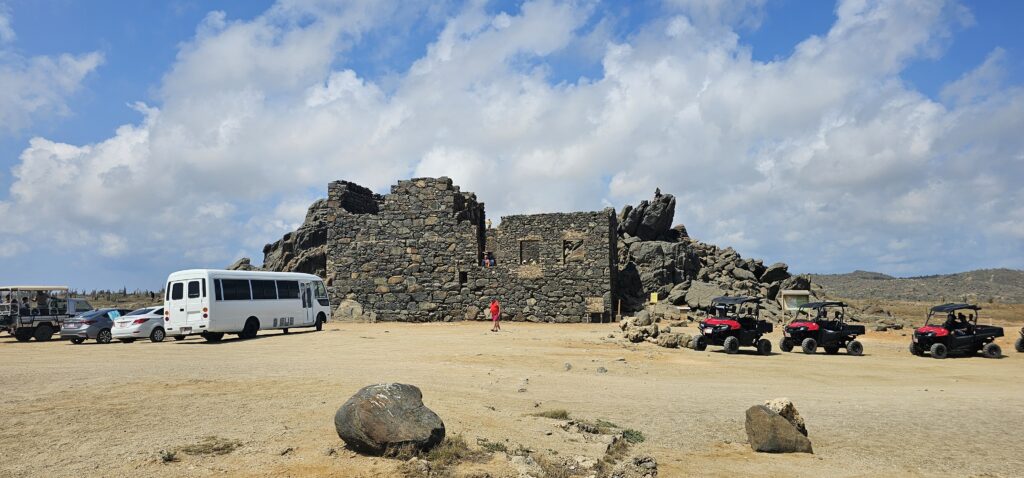
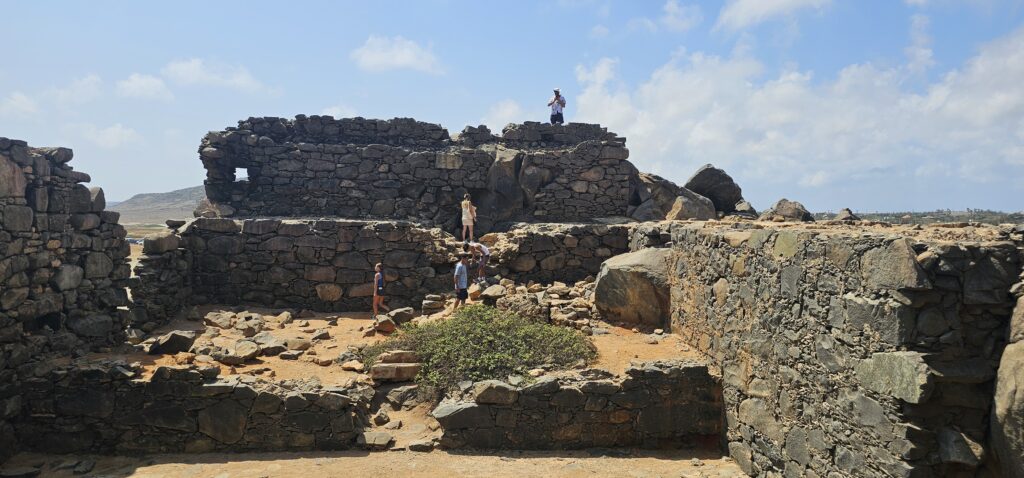
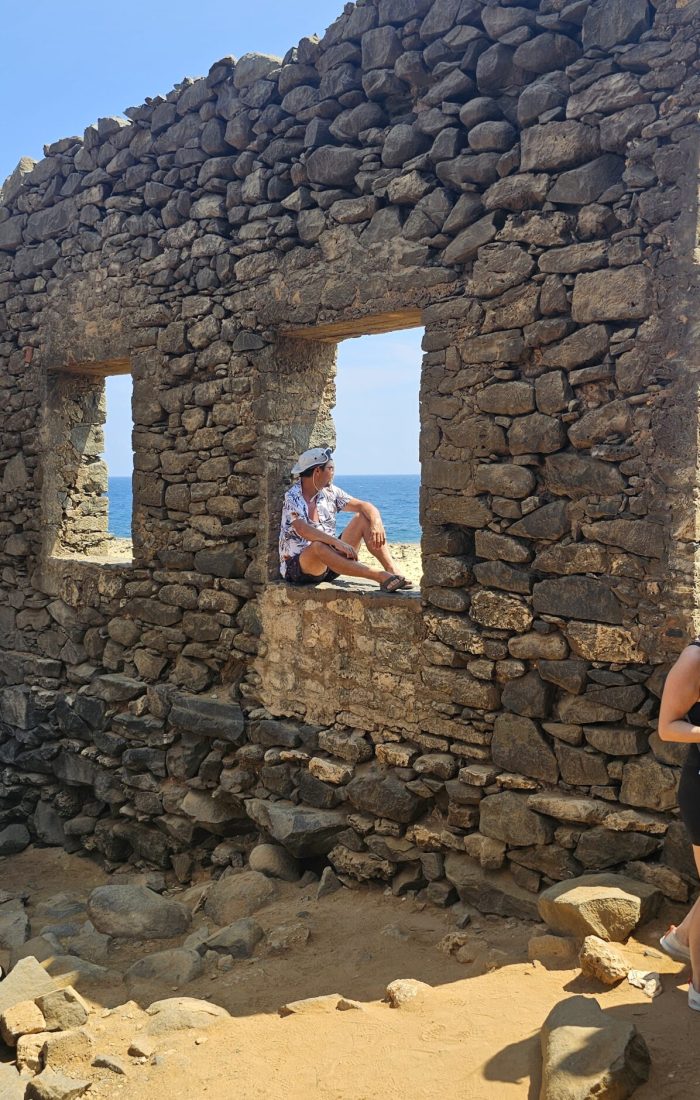
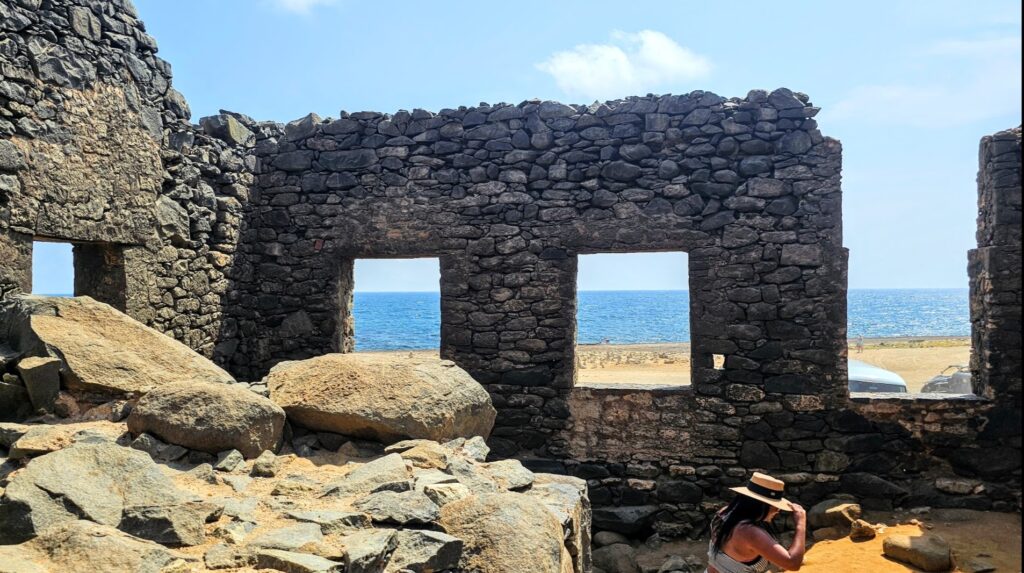
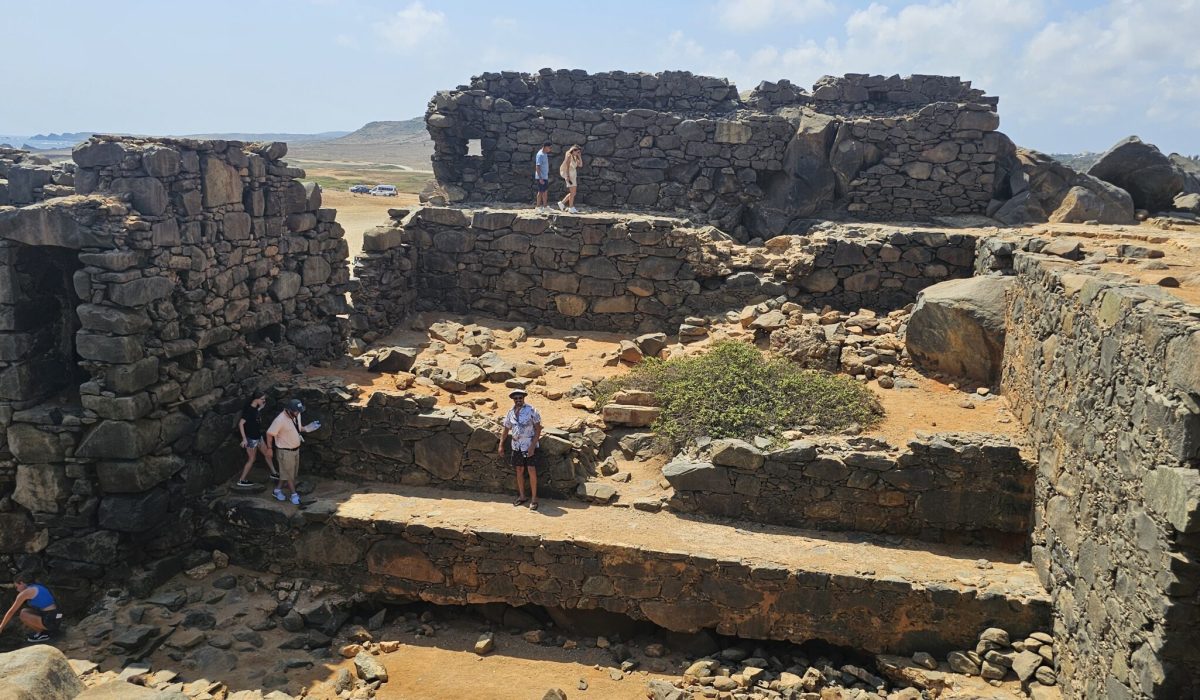
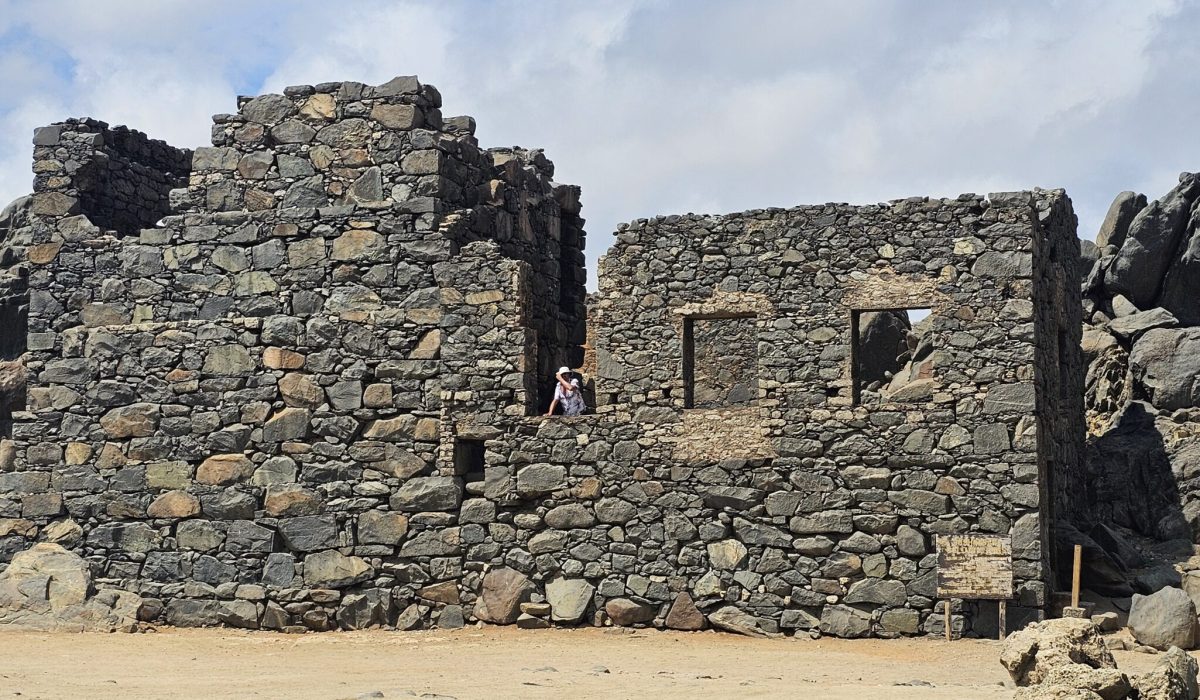
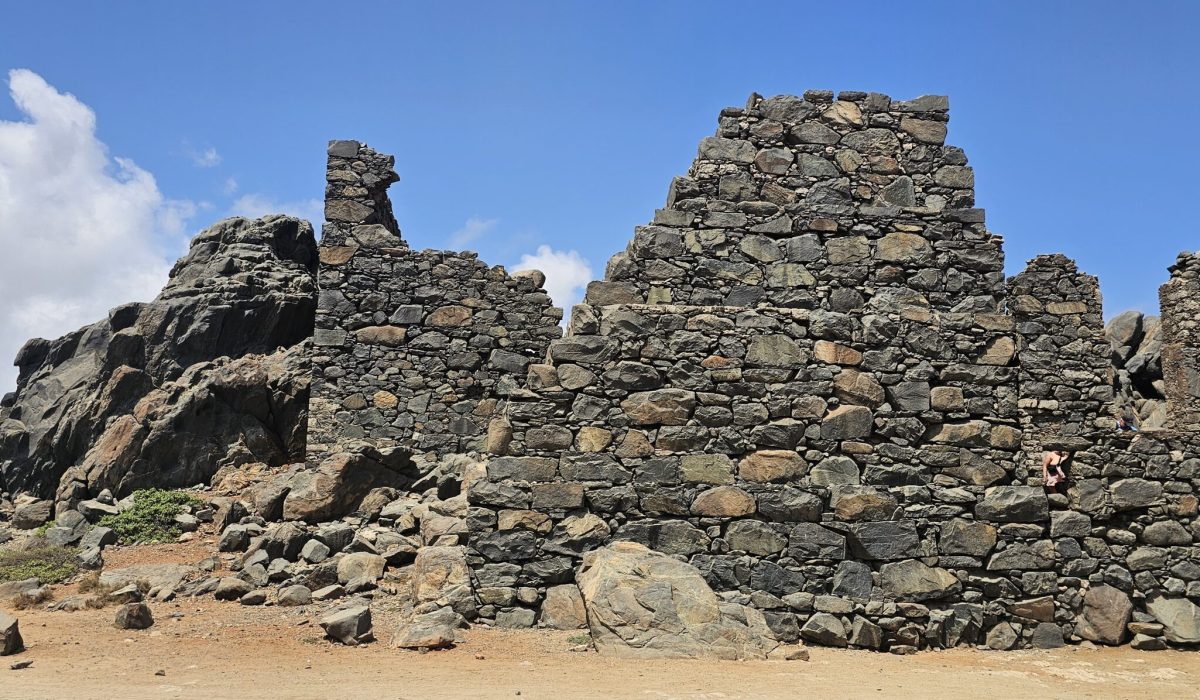
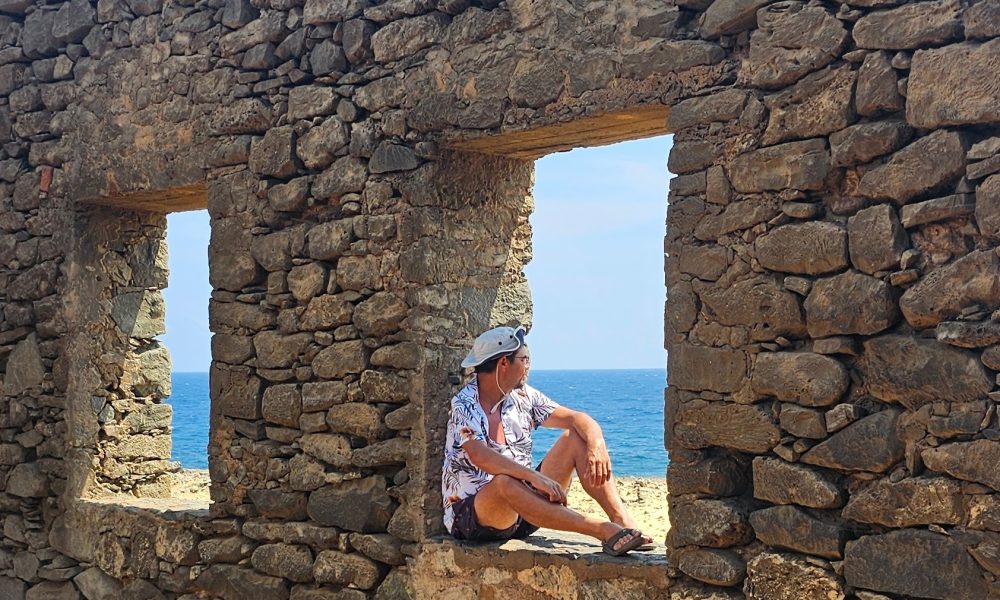
The Bushiribana mill went up in 1825, built by the Aruba Island Gold Mining Company to process ore from the nearby hills of Ceru Plat. The thick stone walls weren’t for looks — they were built to take on the brutal trade winds that beat this stretch of coastline year round. The mill crushed rock, pulled out the gold, and shipped it from a nearby harbor. It ran for about ten years before shutting down.
By 1899 a newer facility opened at Balashi and Bushiribana was left behind. The machinery went with it. The walls stayed. By the time gold mining wrapped up in 1916, Aruba had pulled more than 3 million pounds of gold ore from the ground.
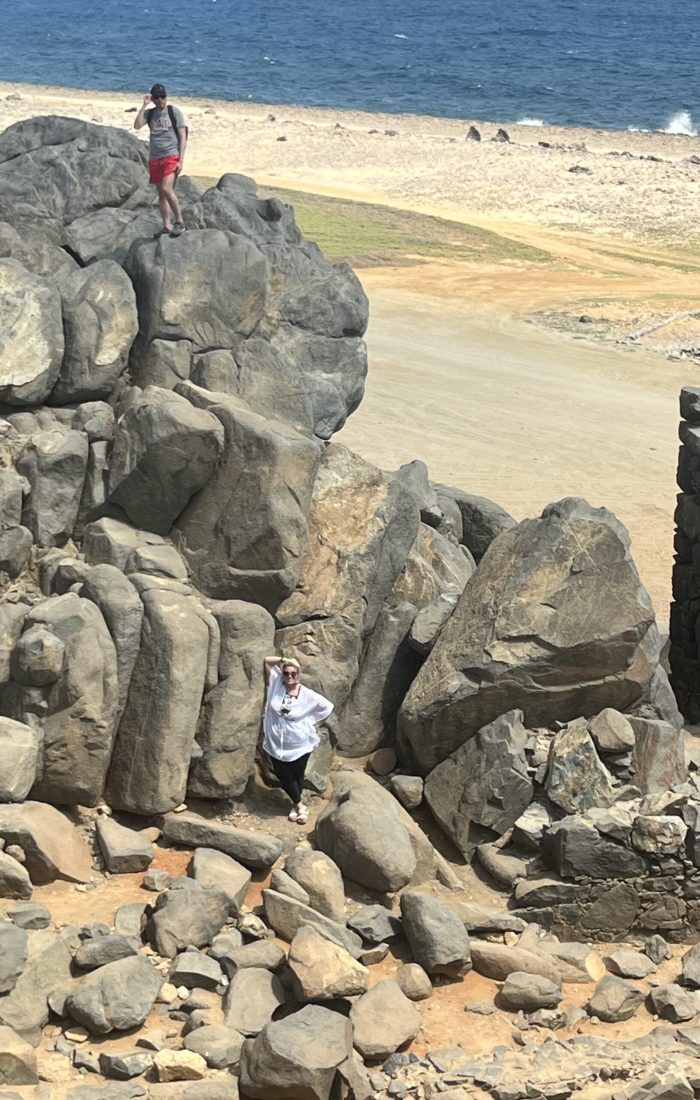
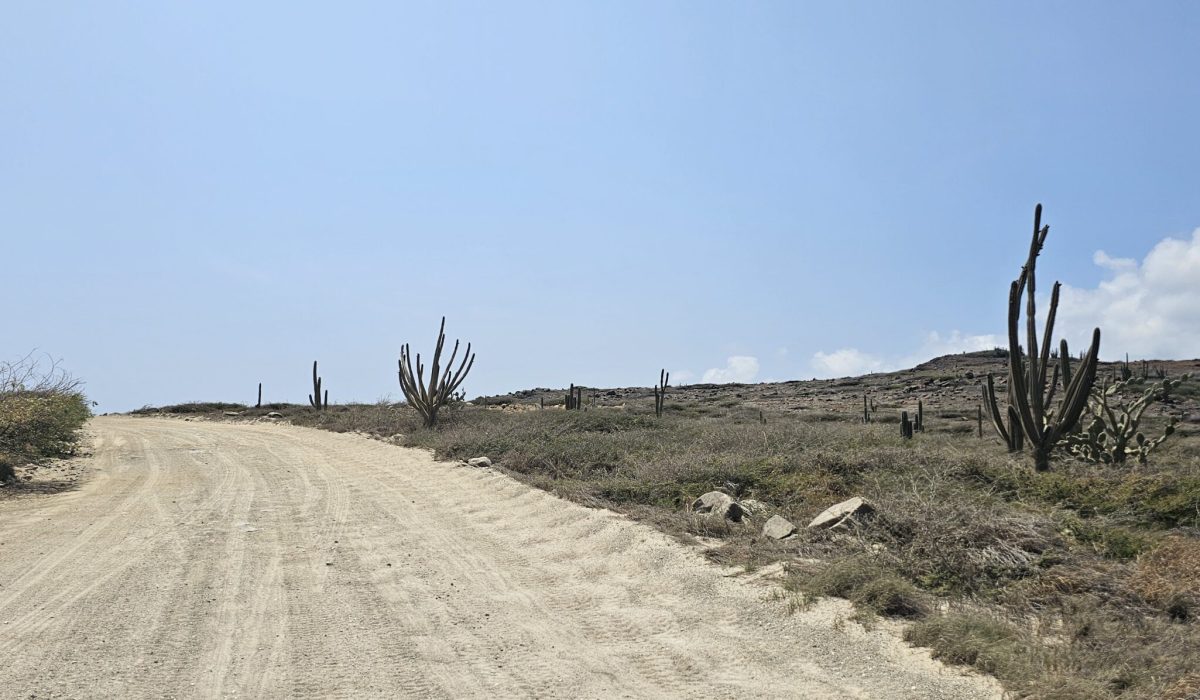
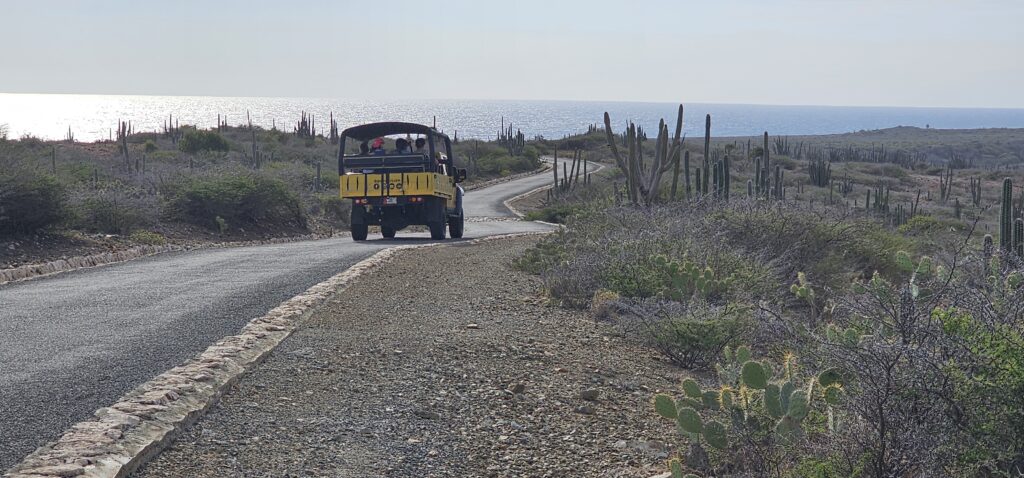
This part of Aruba looks nothing like the resort strip. It’s windy, dry, and raw. Waves slam into the rocky shoreline and the trade winds don’t let up. Standing on top of the ruins looking out over the water, you’d never guess this was the same island.


Practical Info


What to See Nearby
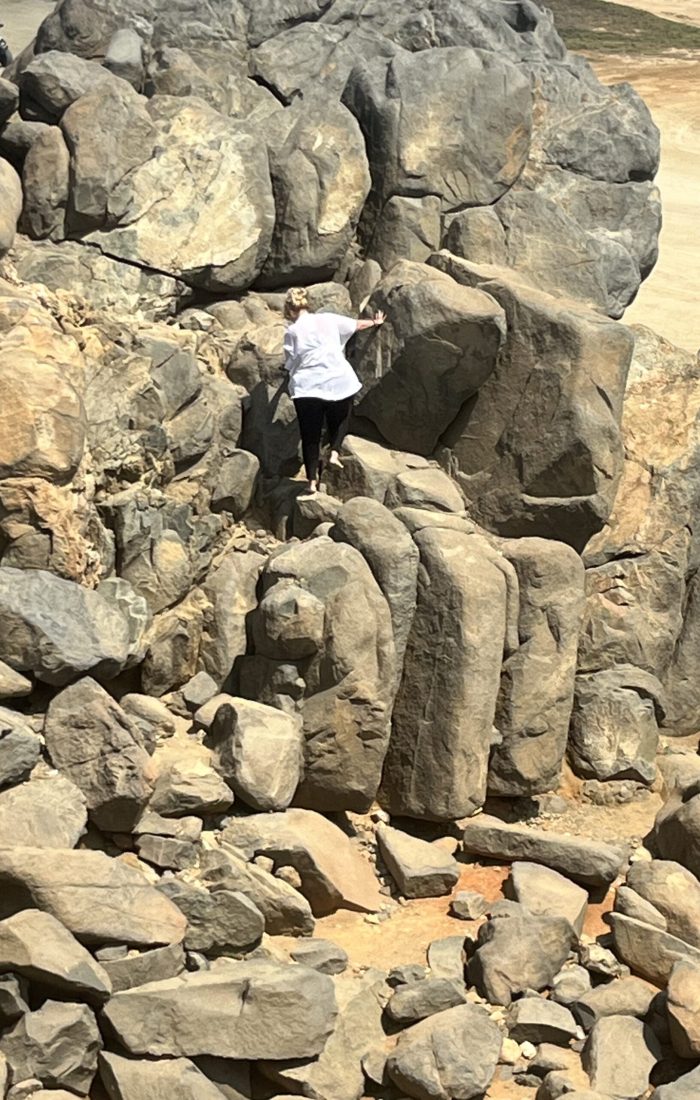
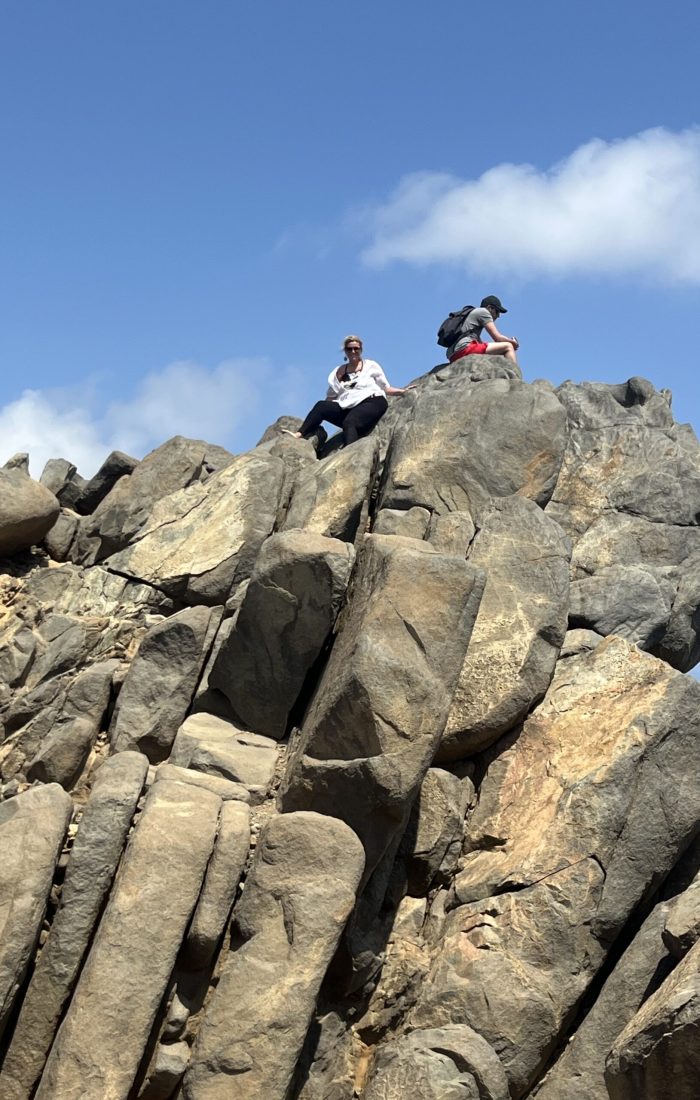
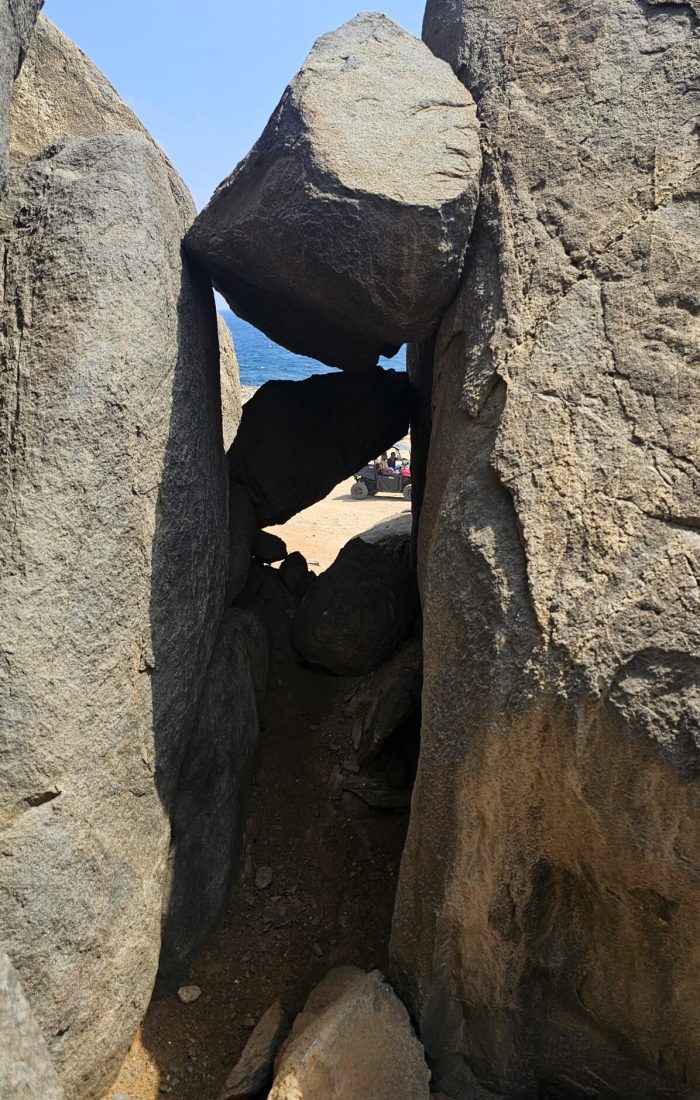
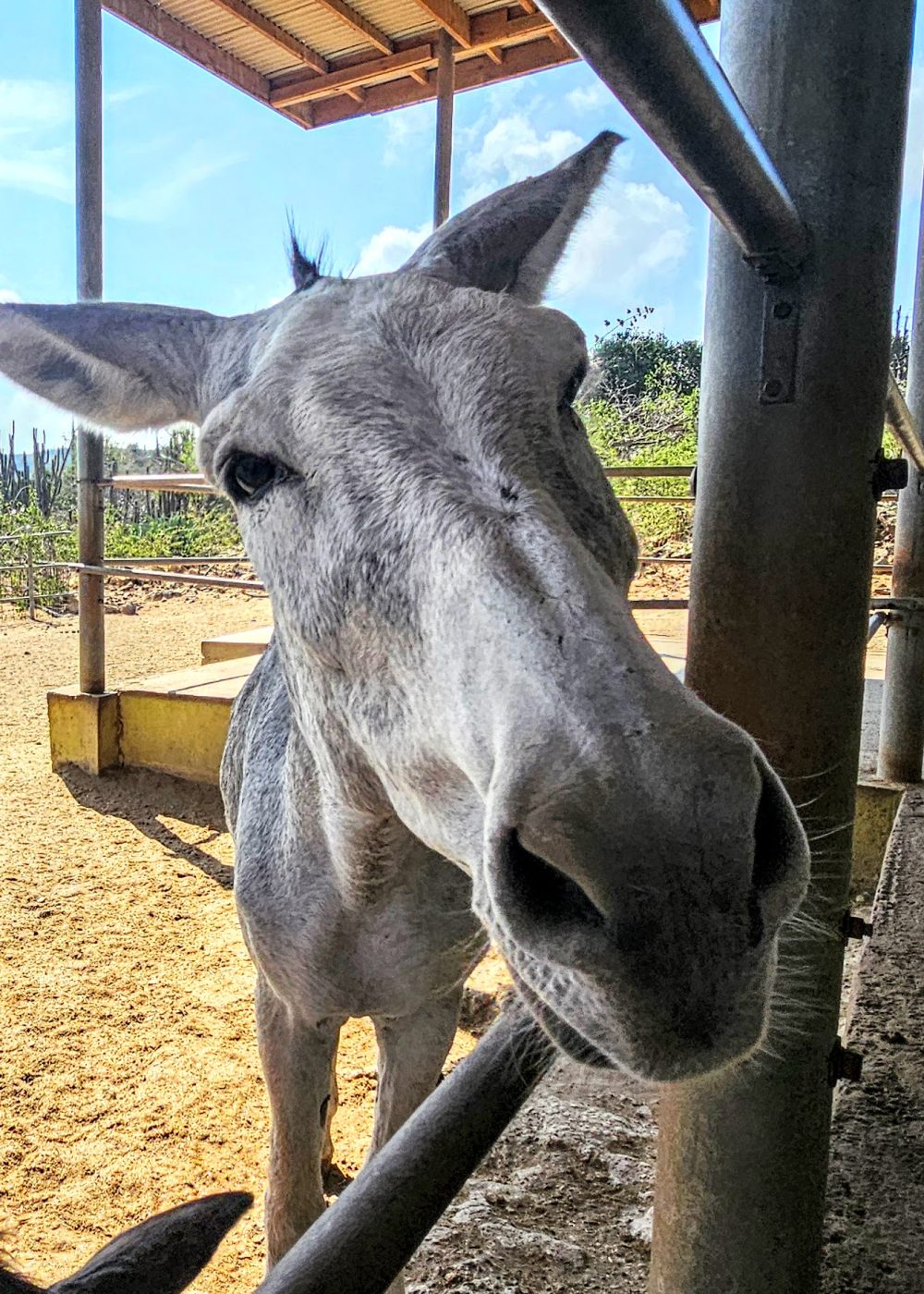
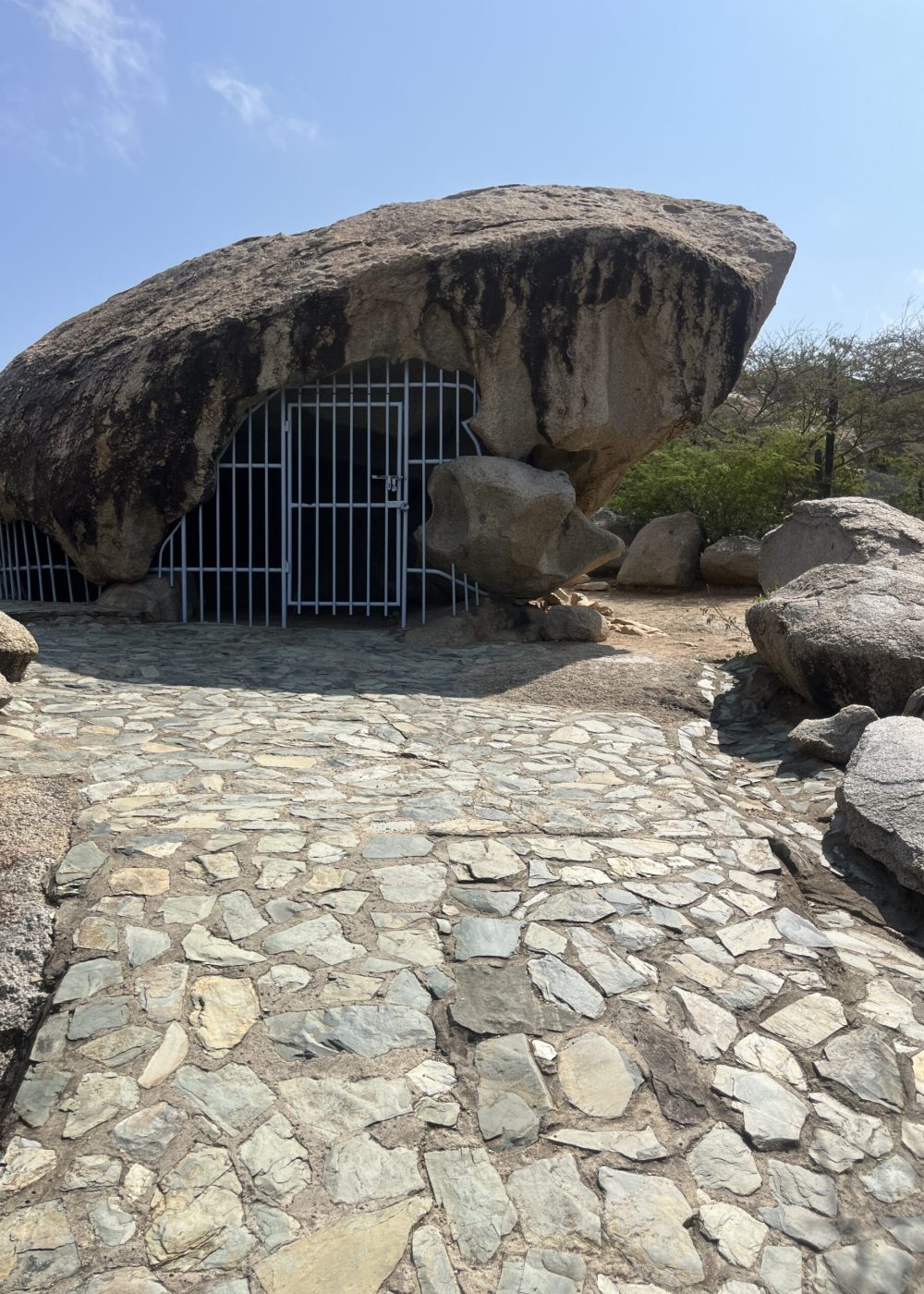
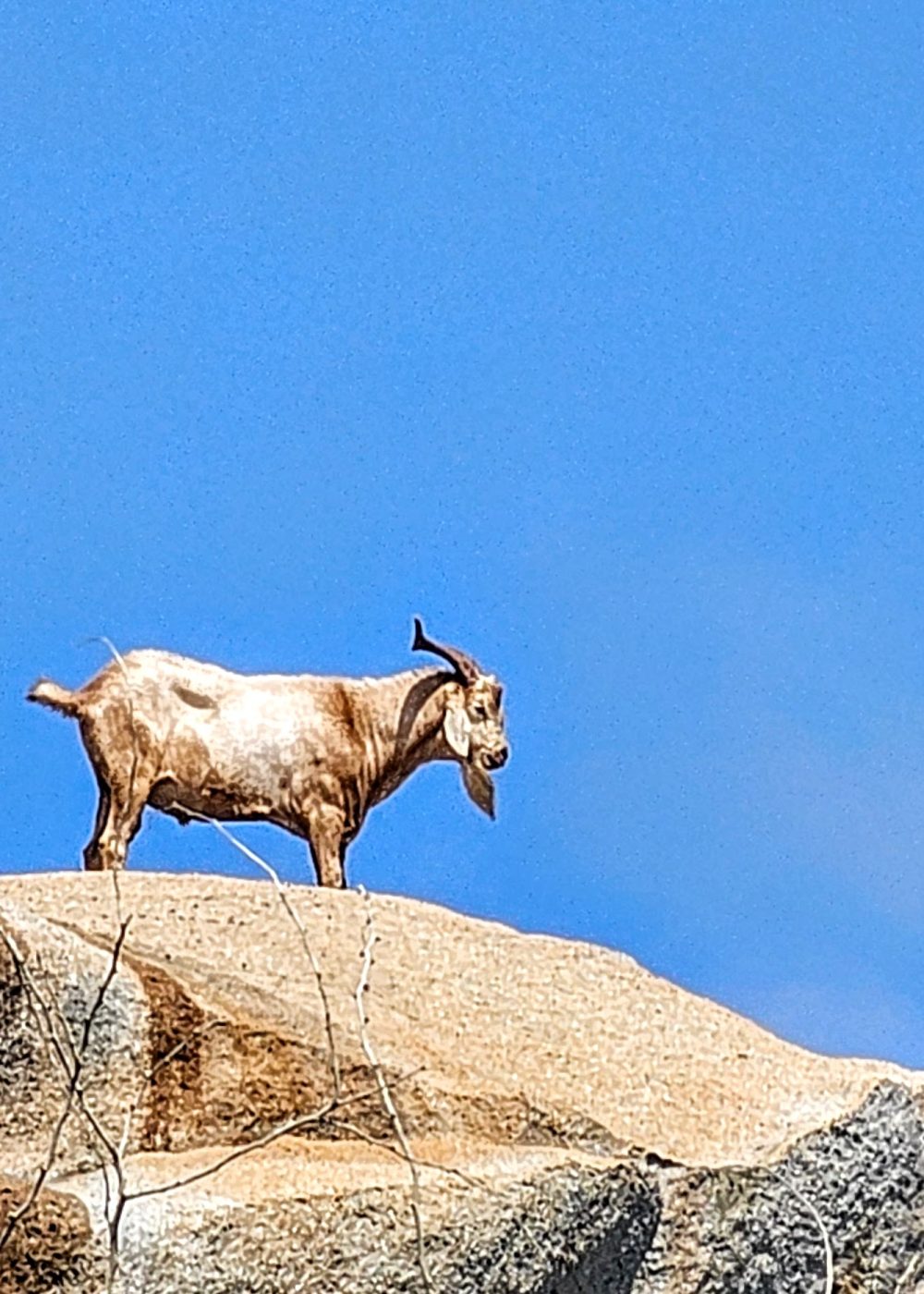
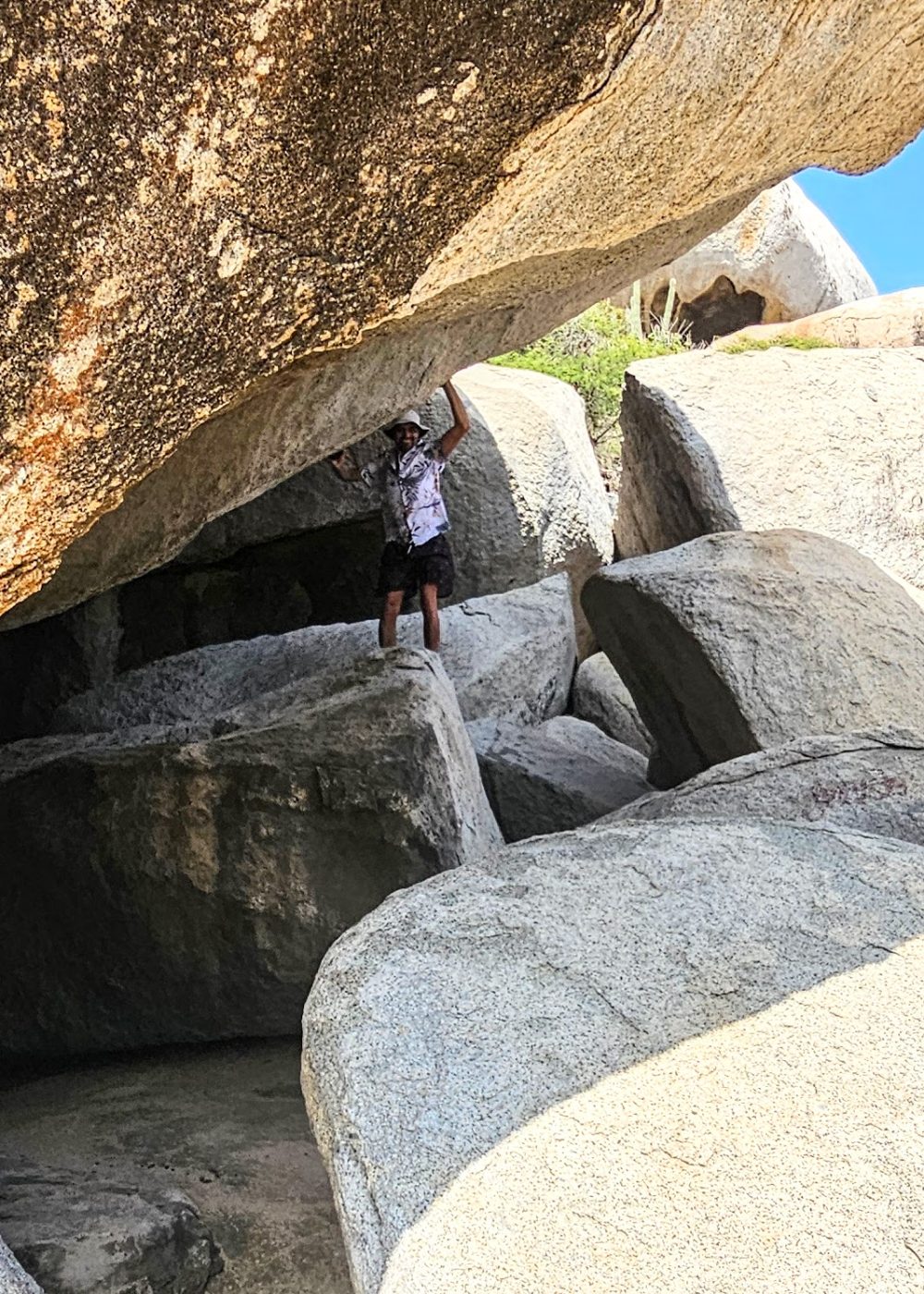
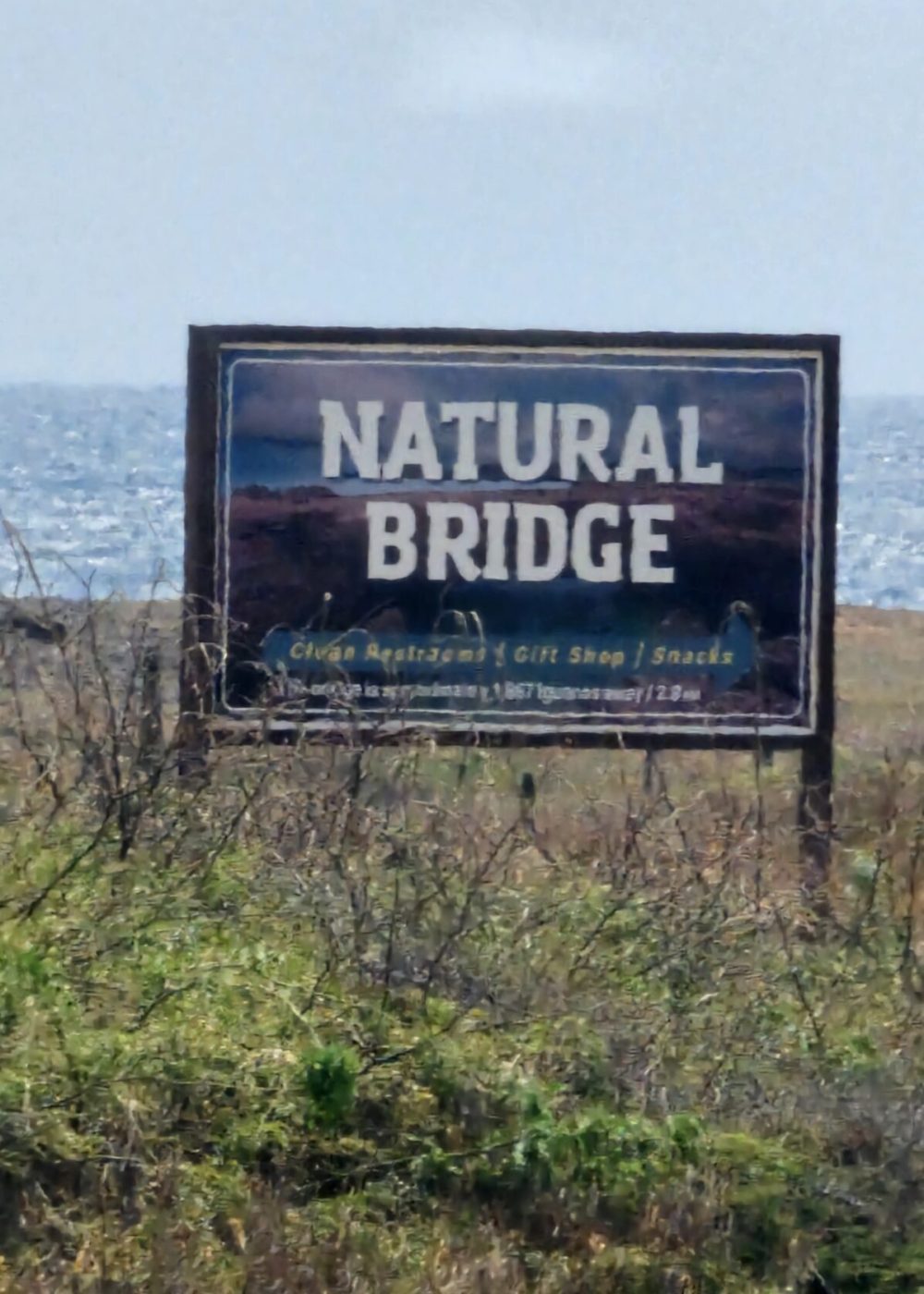
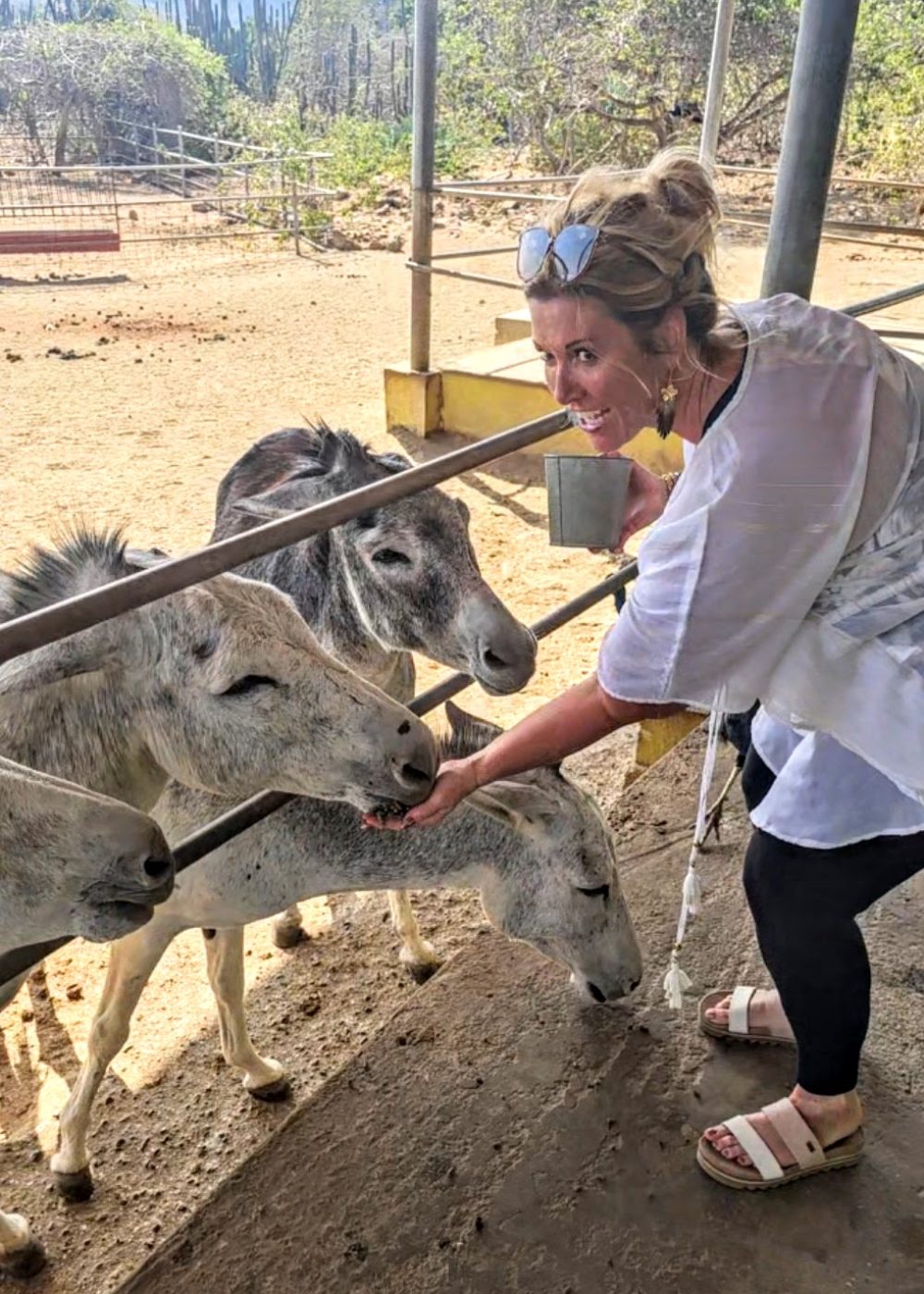
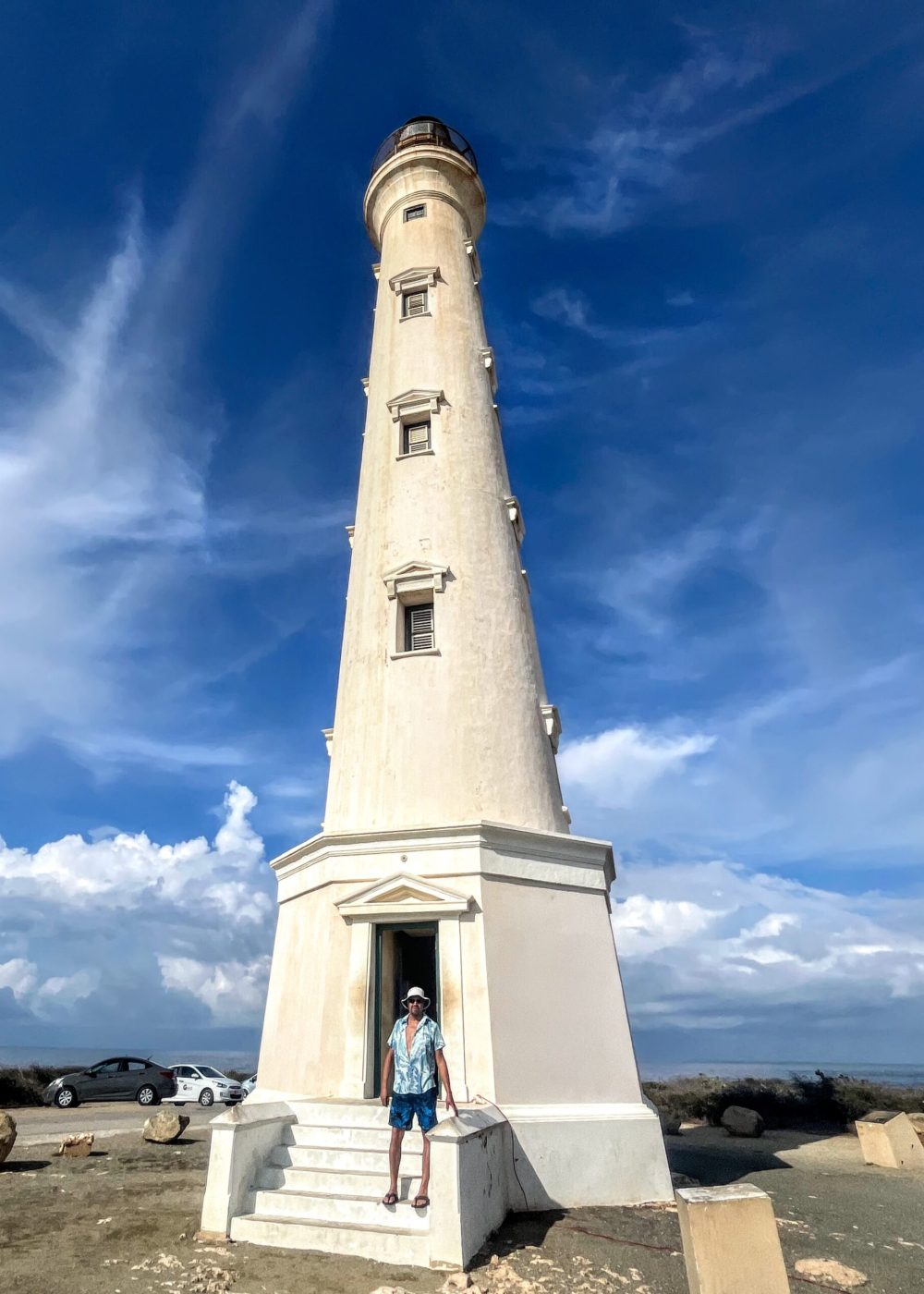
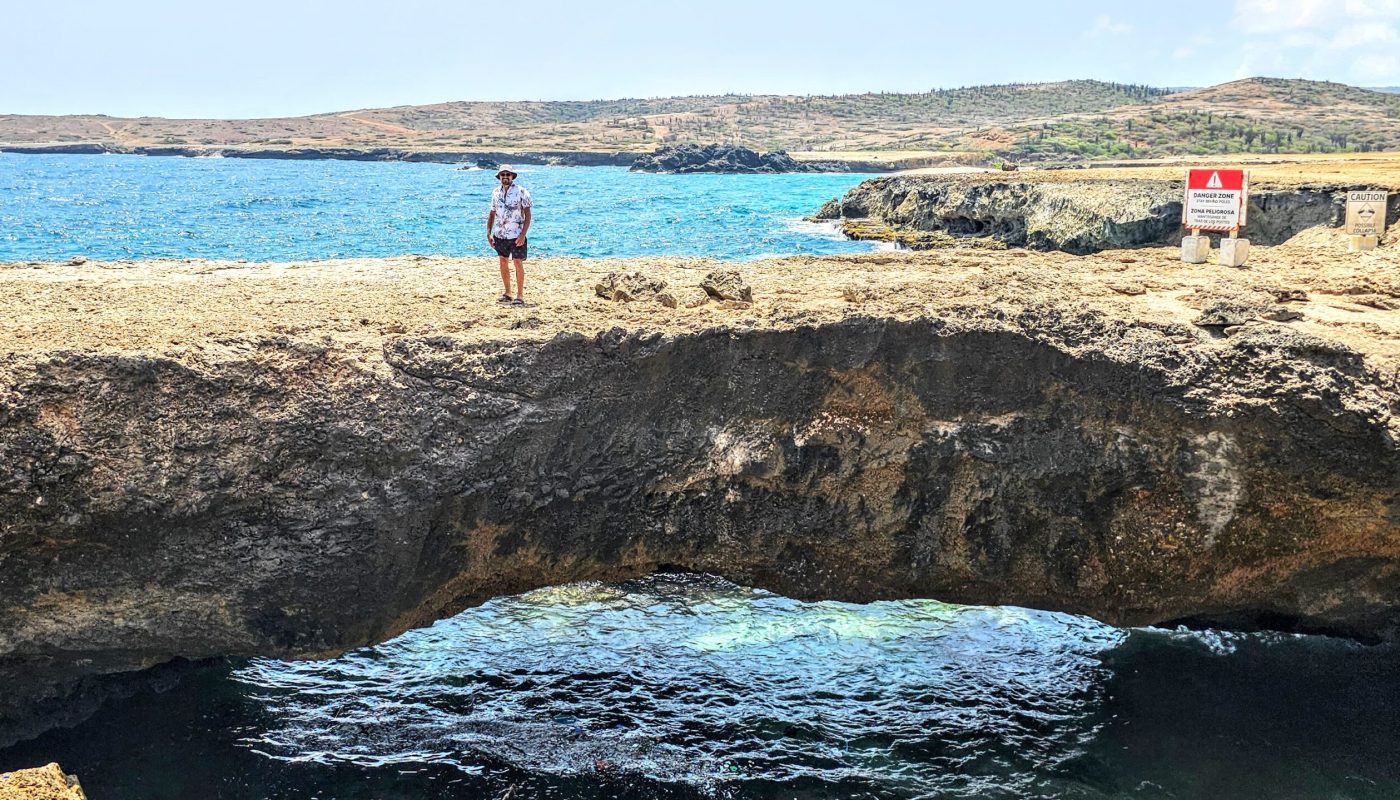
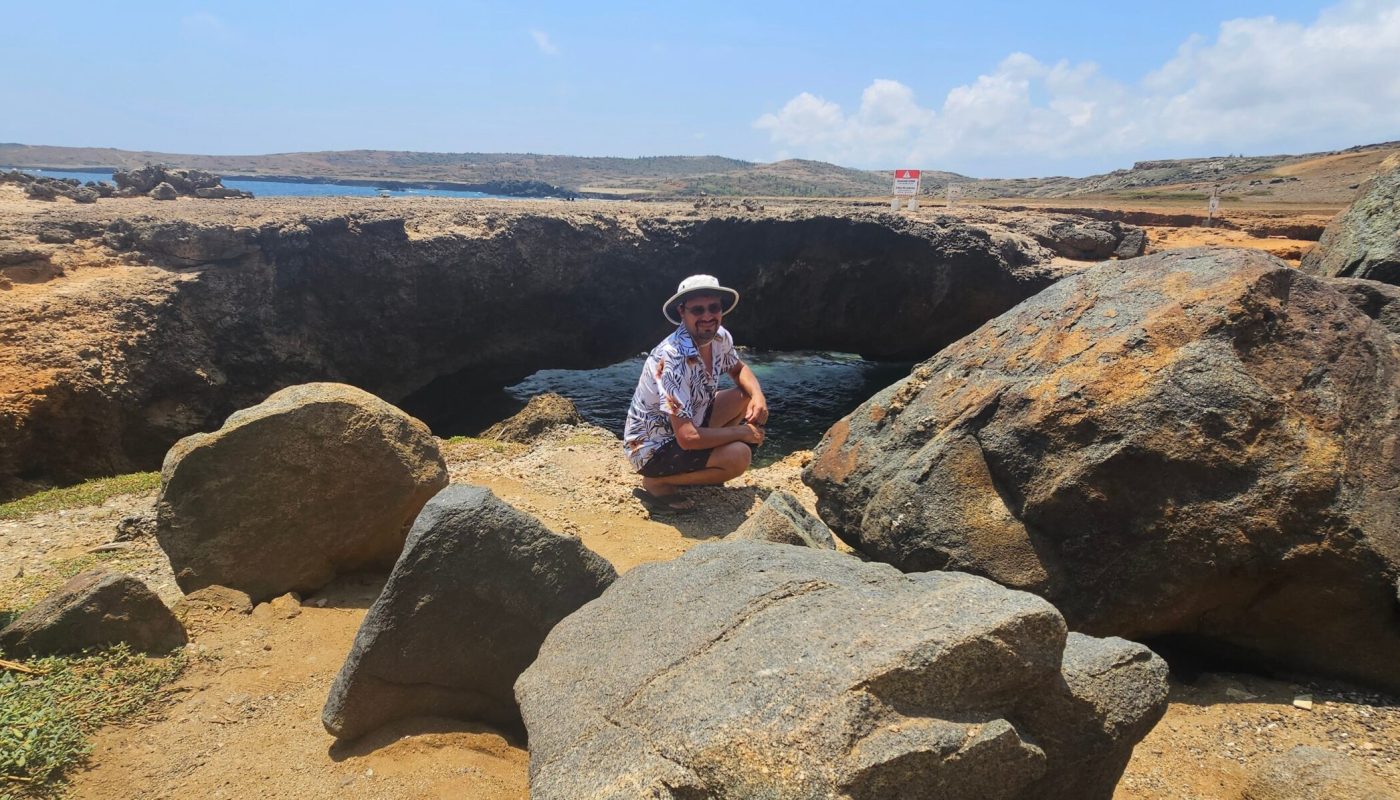
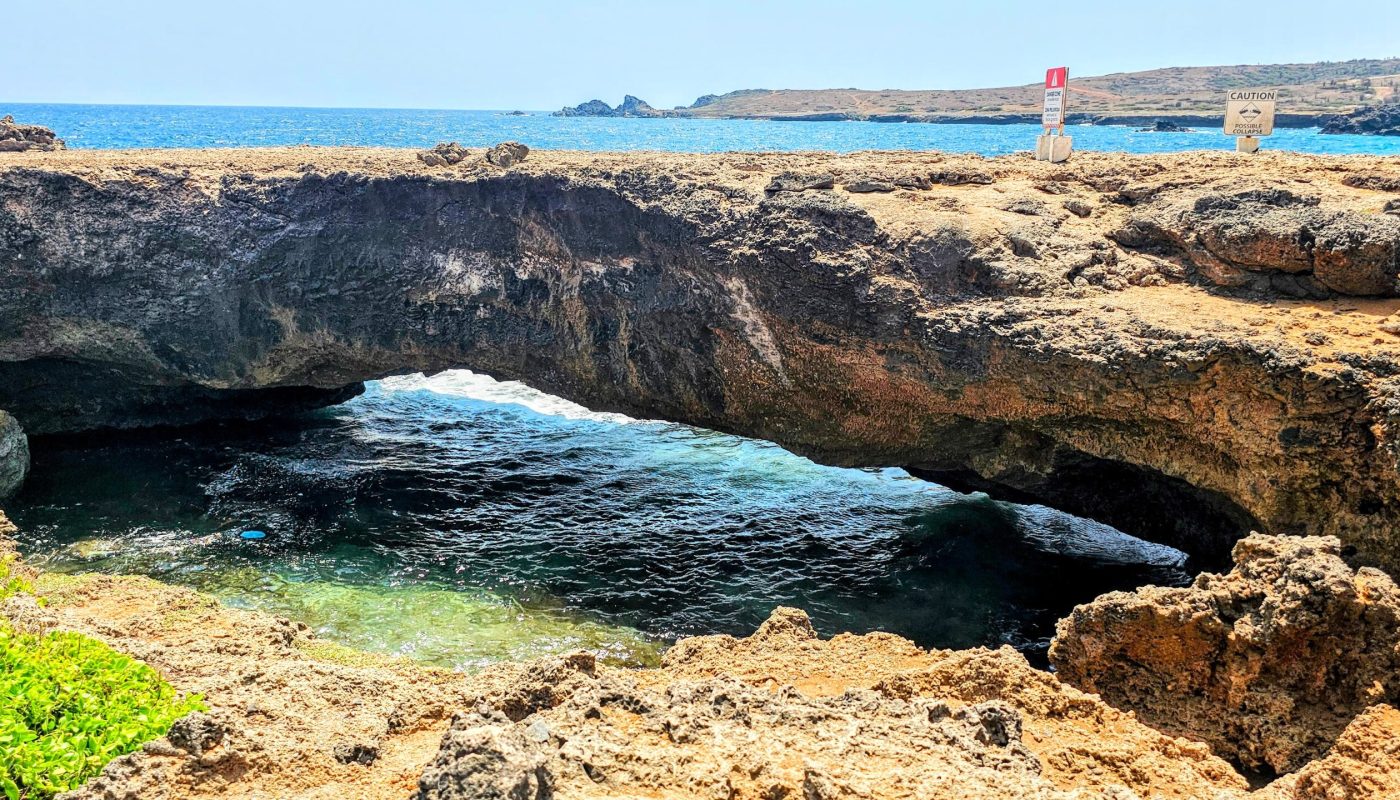
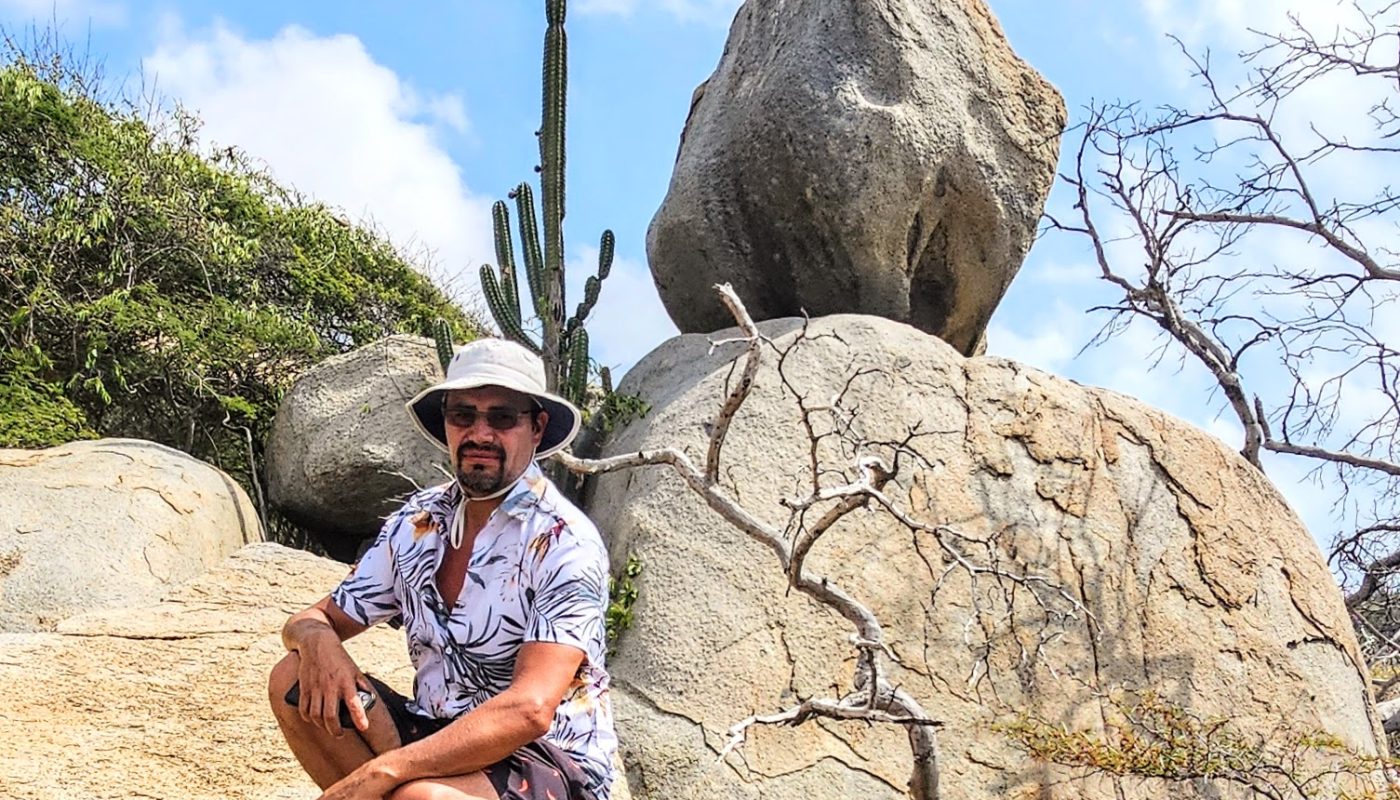
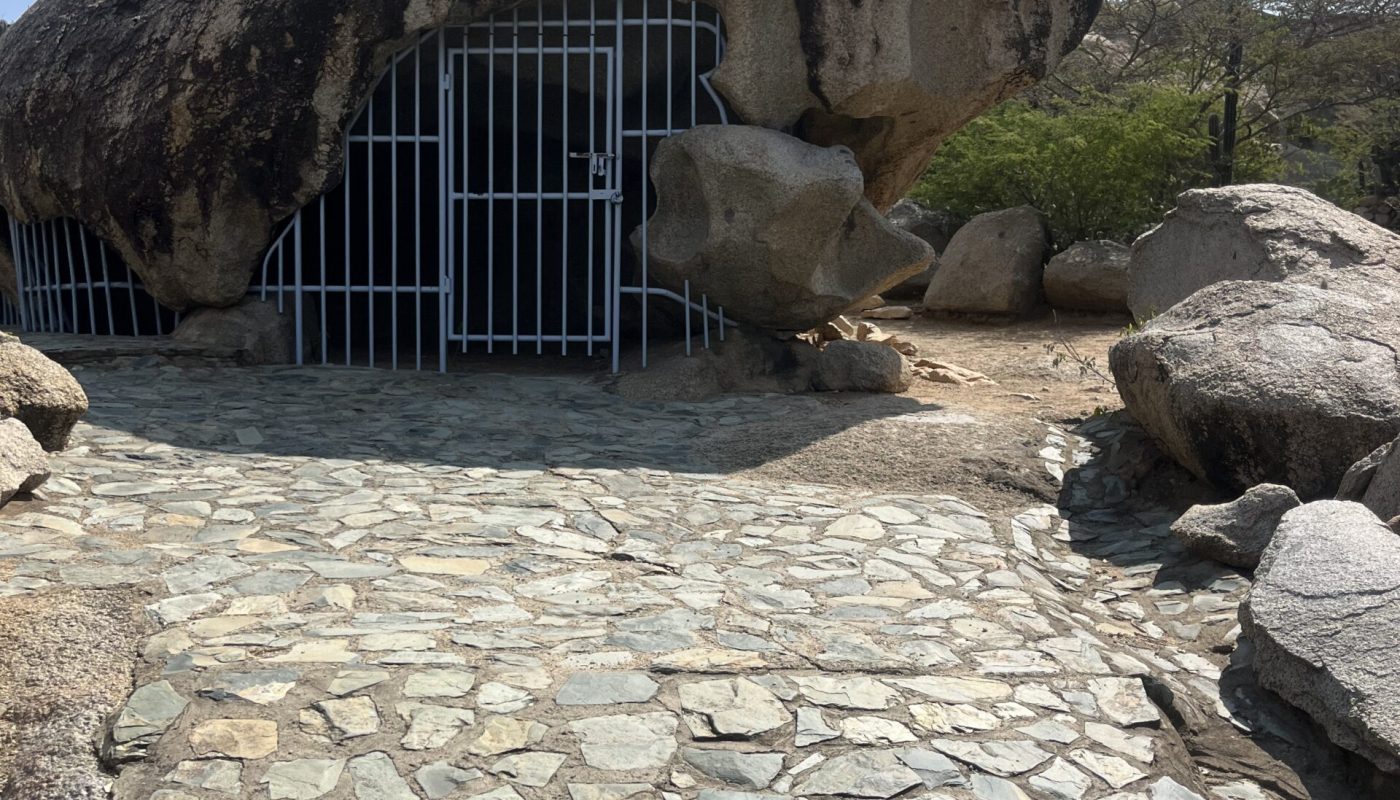
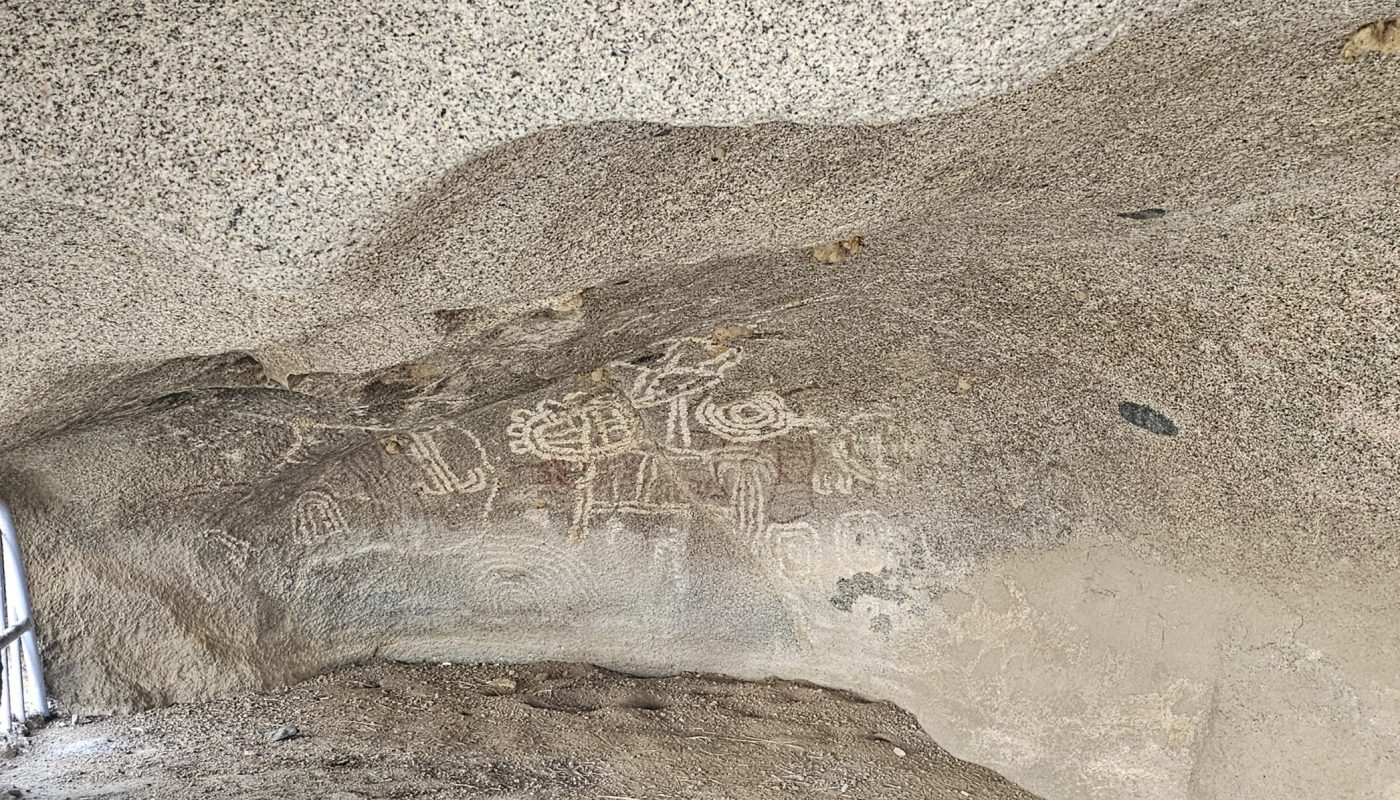
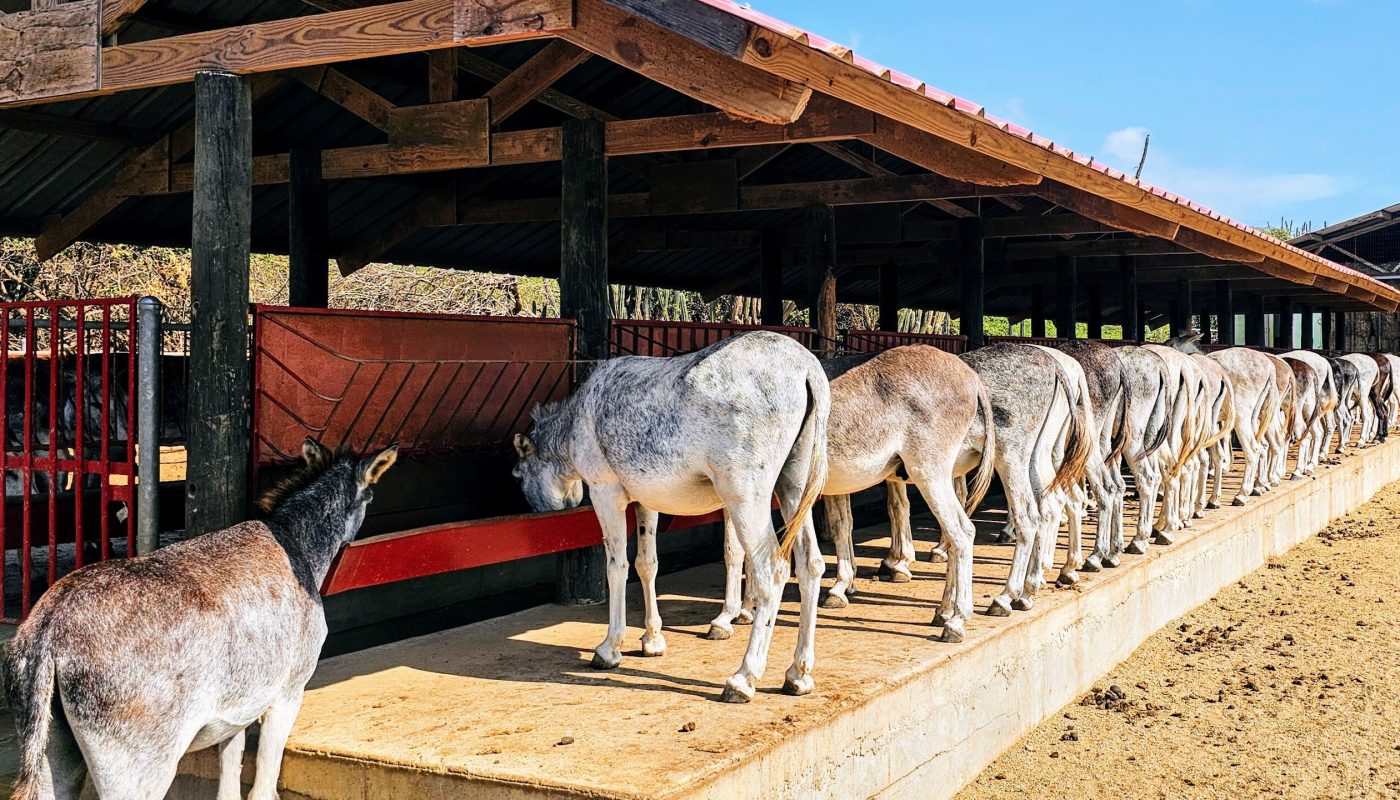
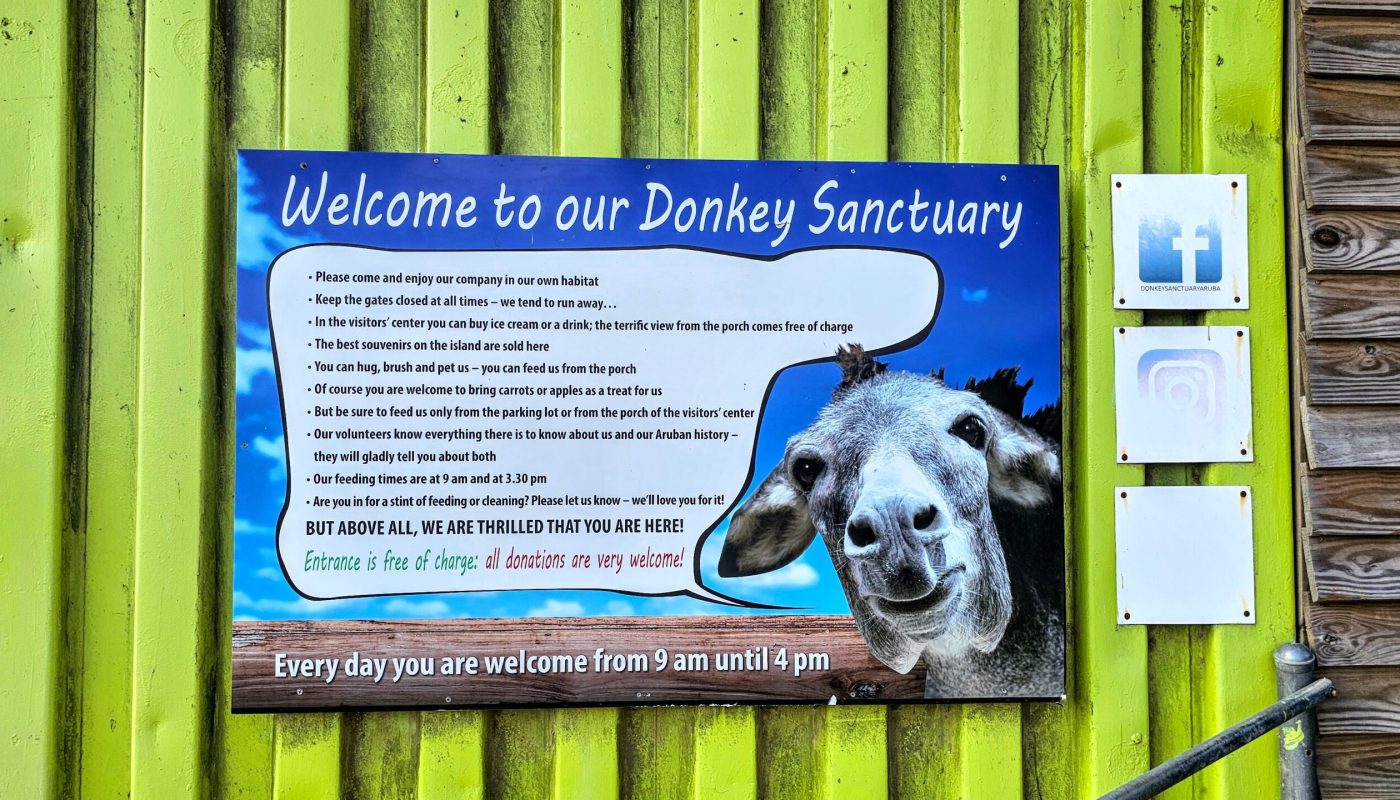
We combined our stop at the Bushiribana Gold Mill Ruins with a few other sights on the same side of Aruba, including the Natural Bridge area, Ayo Rock Formations, the Donkey Sanctuary, and the California Lighthouse. They all fit together pretty easily as part of one driving loop, so it made sense to group them into the same outing instead of treating each one as a separate trip. It was a nice way to see more of Aruba beyond the beach and get a better look at the island’s rougher, quieter side.