Table of Contents

Visiting the Colosseum in Rome:
What to Know Before You Go

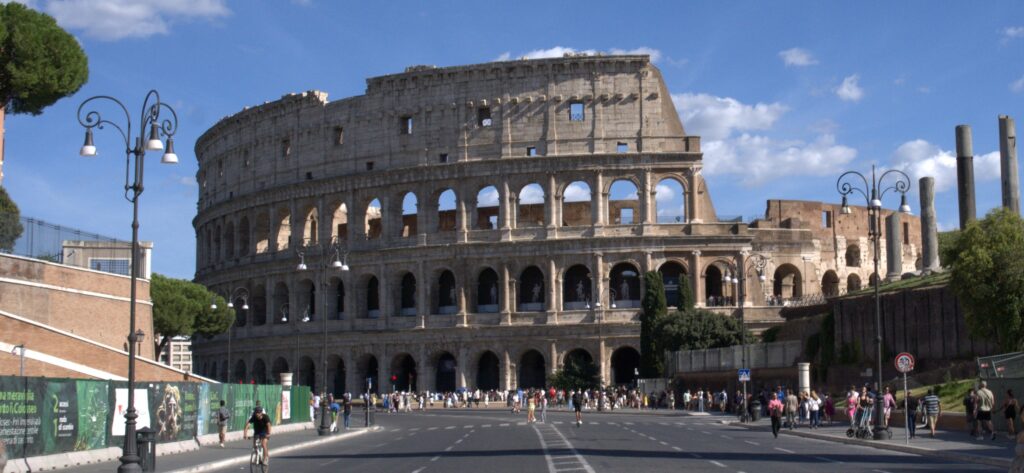
View of the ancient Colosseum with pedestrians and cyclists, surrounded by historic architecture and a blue sky.

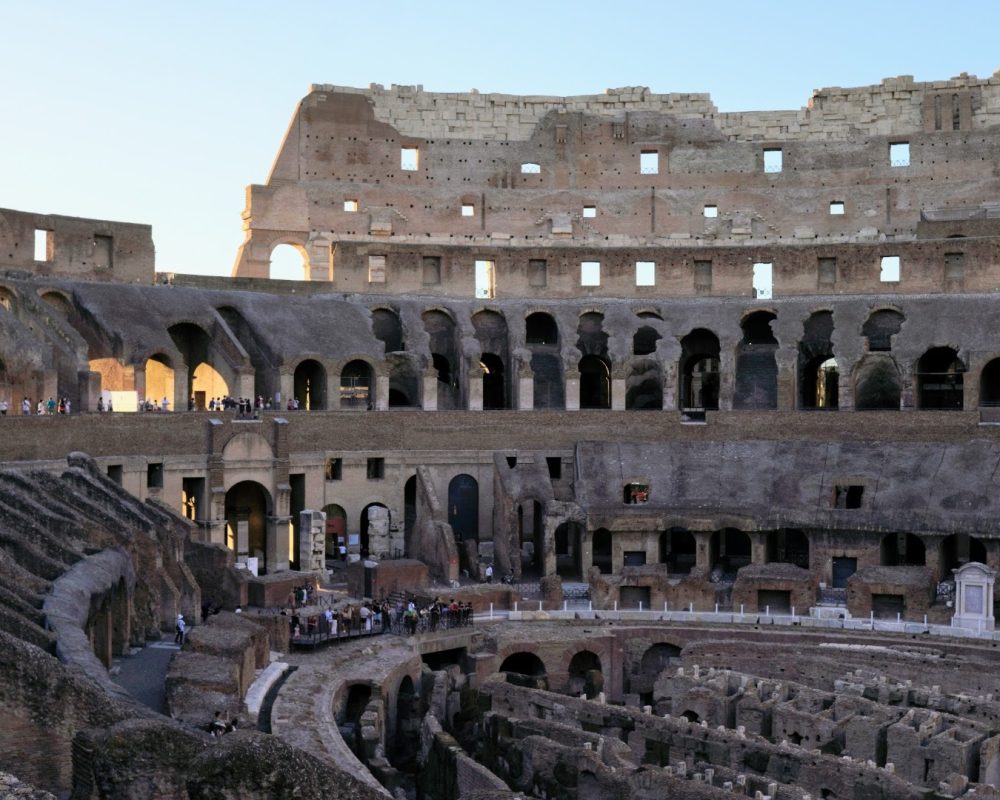
The Colosseum is not only one of the most iconic landmarks in Rome, it is one of the New Seven Wonders of the World. 

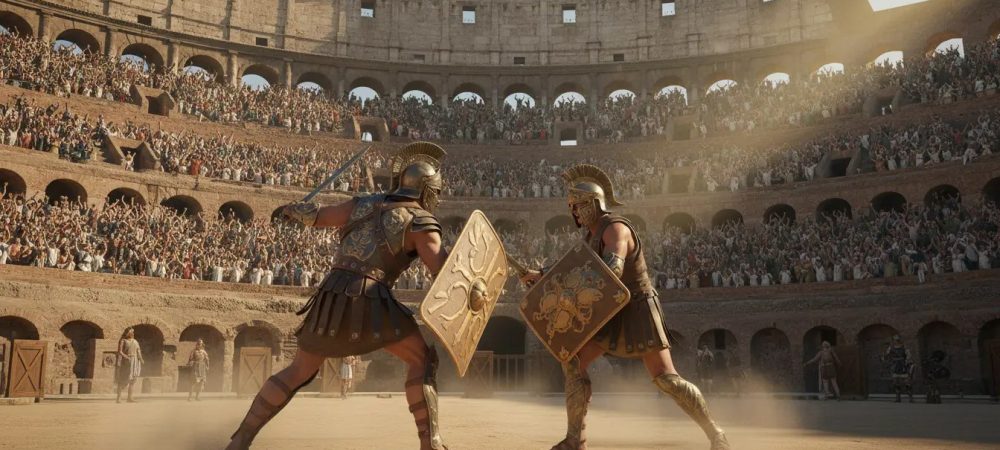
This nearly 2,000-year-old amphitheater once held more than 50,000 spectators. It was the center of entertainment in ancient Rome, hosting gladiator fights, animal hunts, and large-scale public events.

Visitors marvel at the ancient architecture of the Colosseum under a clear blue sky.

And while it’s one of the most famous sights in the world, visiting it isn’t always as straightforward as you might expect. Rome is packed with incredible landmarks, and if you’re short on time, it can be difficult to decide what should make your itinerary.

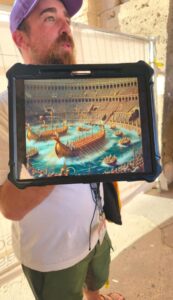
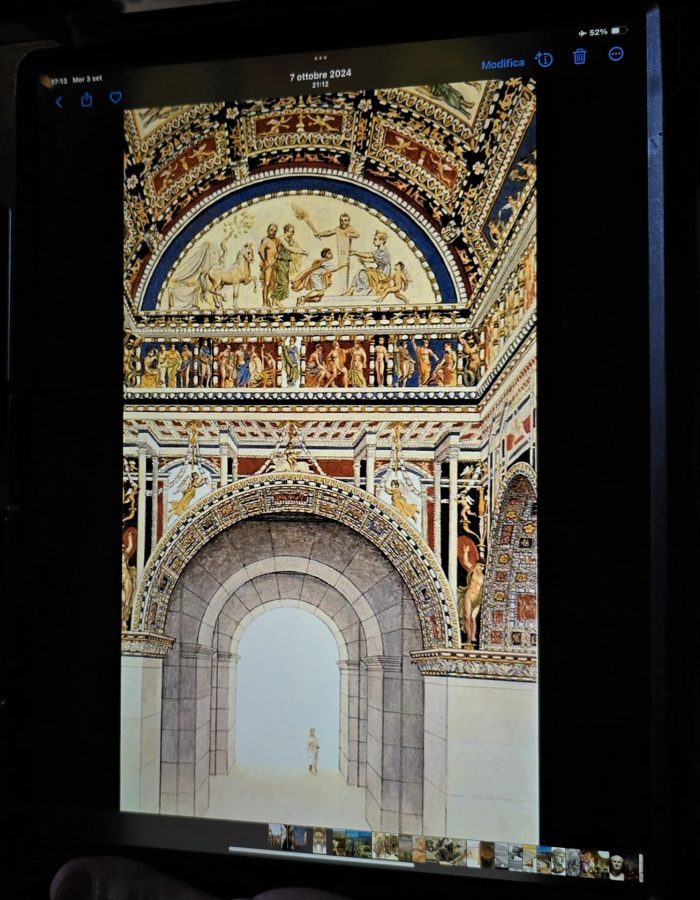
A man holds a tablet showing a vibrant illustration of ancient ships in the Colosseum, surrounded by a cheering crowd, emphasizing historical naval battles.

A Bit of History

The Colosseum, also known as the Flavian Amphitheatre, was commissioned by Emperor Vespasian in the 70s AD and completed by his son Titus in 80 AD. Vespasian came to power after a chaotic period in Rome and is known for restoring stability to the empire. One of his biggest moves was turning land that had belonged to Emperor Nero into a public space for the people, which is where the Colosseum was built.

At the time, it was the largest amphitheater ever built in the Roman Empire.

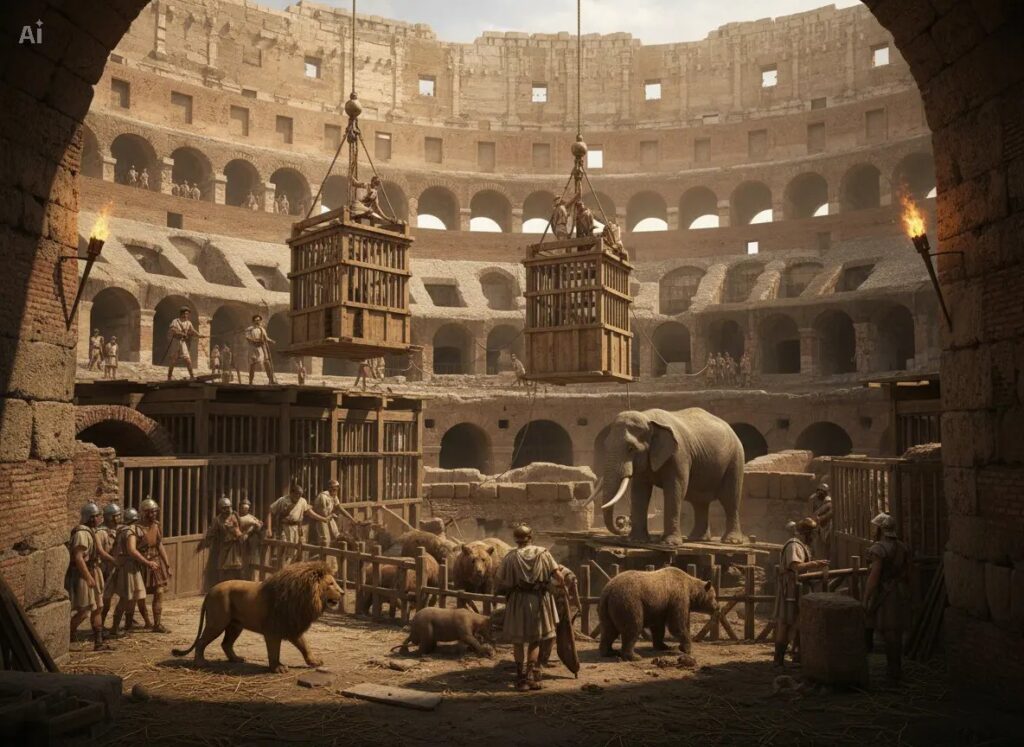
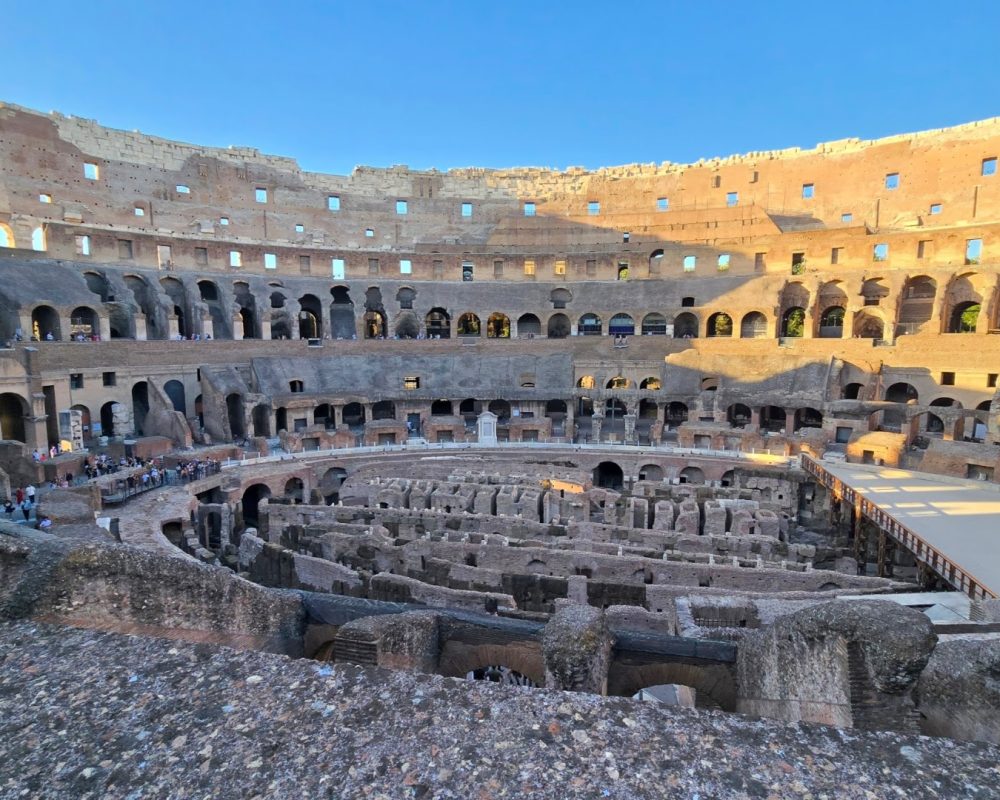
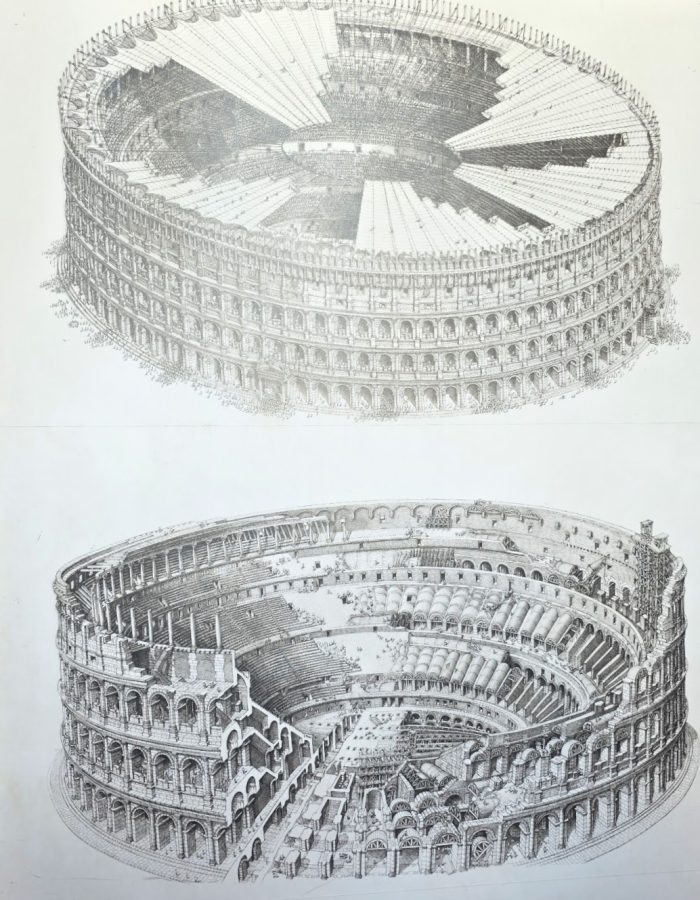
What makes it even more impressive is how advanced it was for its time. The structure included seating tiers, underground chambers, and even systems that allowed parts of the arena to be flooded for staged naval battles.

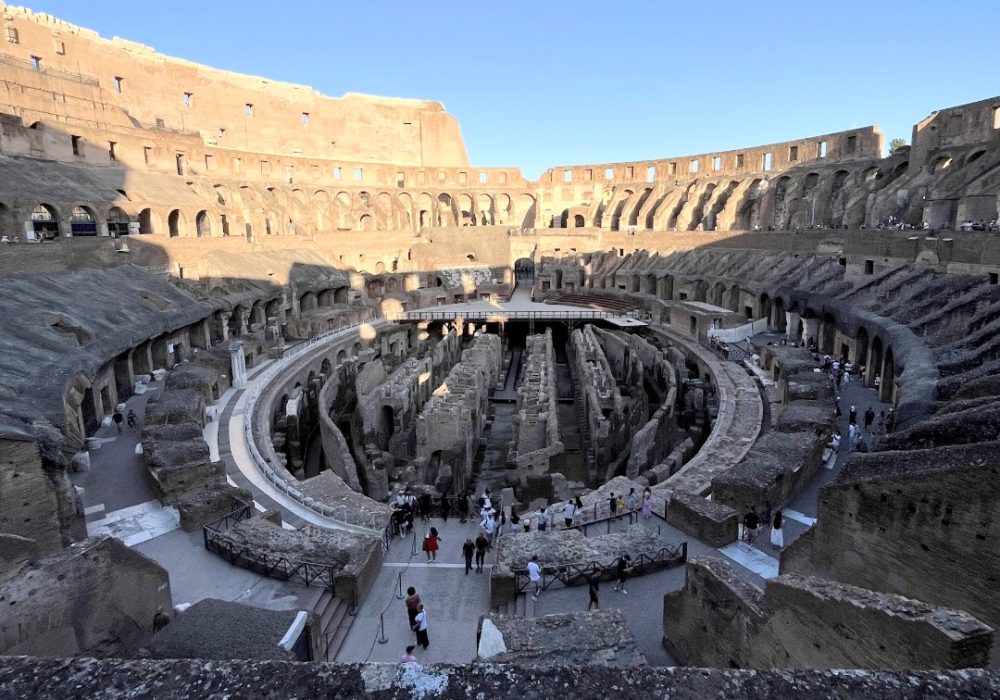
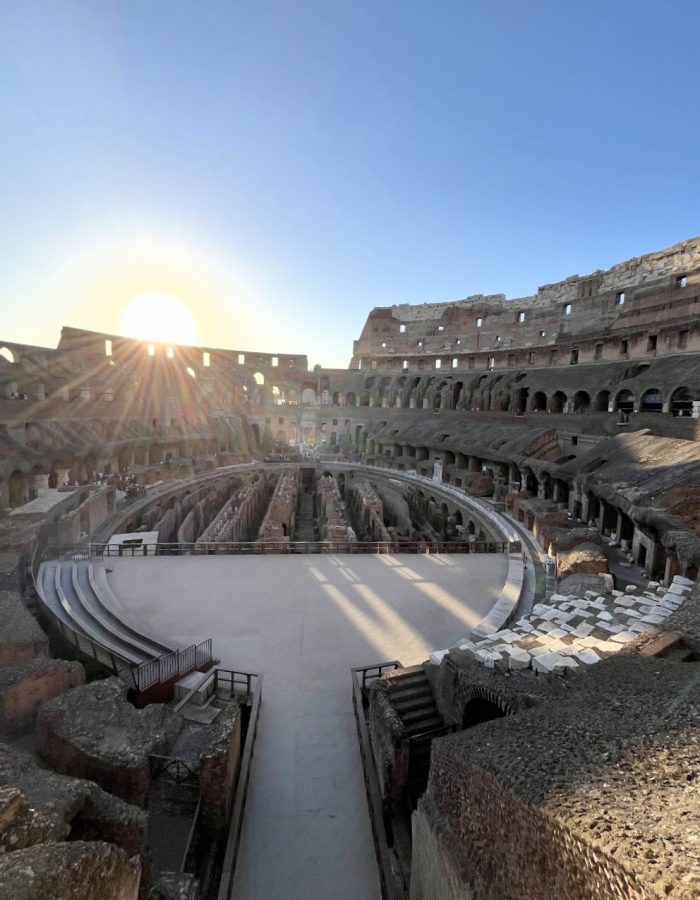
After it opened, Emperor Domitian, Vespasian’s younger son, expanded the underground system beneath the arena. This area, known as the hypogeum, was a network of tunnels, lifts, and holding areas used to move animals, fighters, and scenery into place during events. Over the centuries, the Colosseum was damaged by earthquakes and had parts of its stone removed, but enough remains to show how massive and complex it once was.

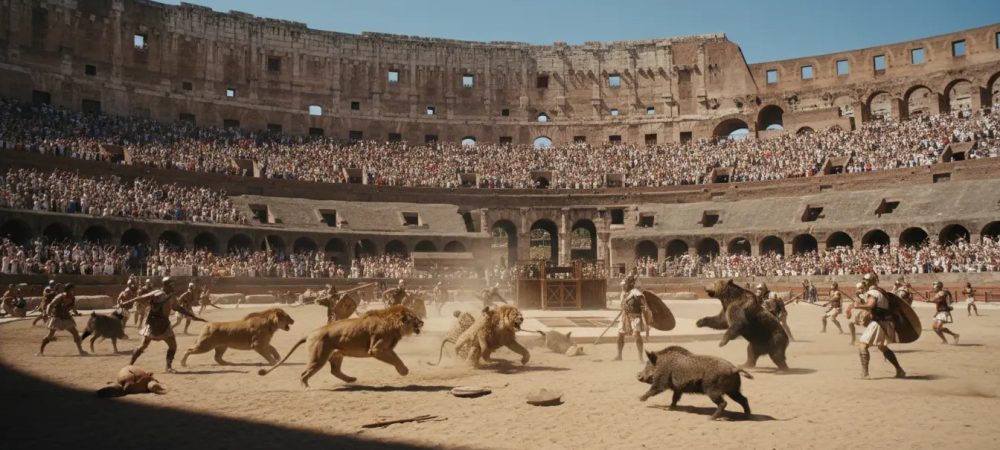
A scene depicting the inside of the Roman Colosseum featuring an elephant and various animals being prepared for entertainment, surrounded by Roman soldiers and spectators.
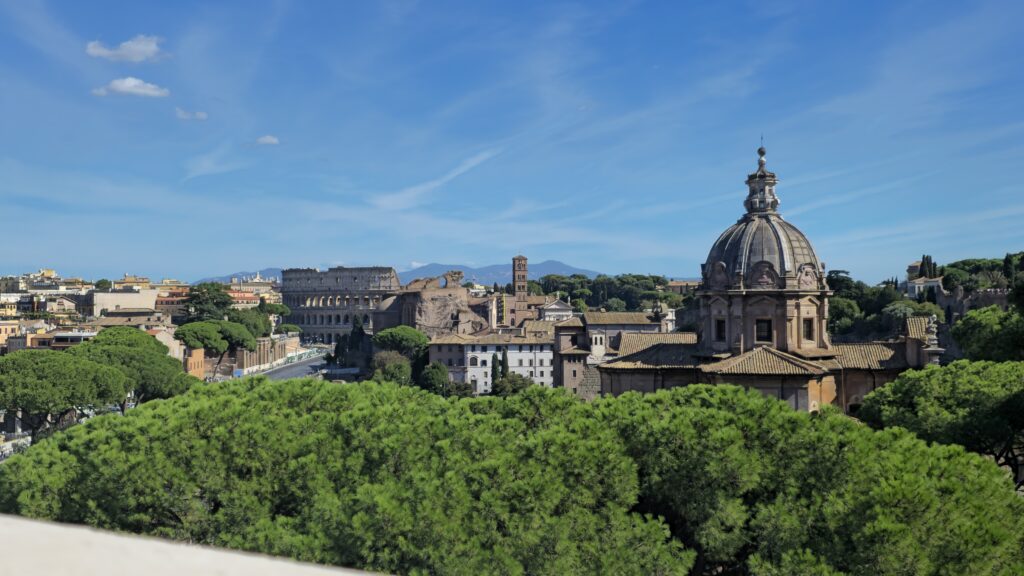
A stunning landscape showcasing iconic Roman architecture, including the Colosseum and historic buildings, surrounded by lush greenery under a bright blue sky.


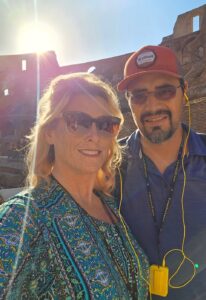
A couple takes a selfie at the Colosseum, with the sun shining brightly in the background.Is the Colosseum Worth It If You’re Short on Time?

This is one of the most common questions when planning a trip to Rome. If you only have time for one or two major attractions, you’ll need to be selective. Between the Colosseum, St. Peter’s Basilica, the Vatican Museums and Sistine Chapel, and the Roman Forum, there’s no single right answer. It really depends on your interests. That said, the Colosseum is one of the most unique experiences in the city, especially if you enjoy history.Another benefit is that your ticket also includes access to the Roman Forum and Palatine Hill, so you can visit multiple historic sites in one area.

St. Peter’s Basilica is also worth visiting, but keep in mind that the Vatican Museums and Sistine Chapel are a separate experience with their own entrance and lines, and they can take several hours. Other famous spots like the Pantheon, Trevi Fountain, and Piazza Navona are much quicker to visit and easy to fit into your itinerary.

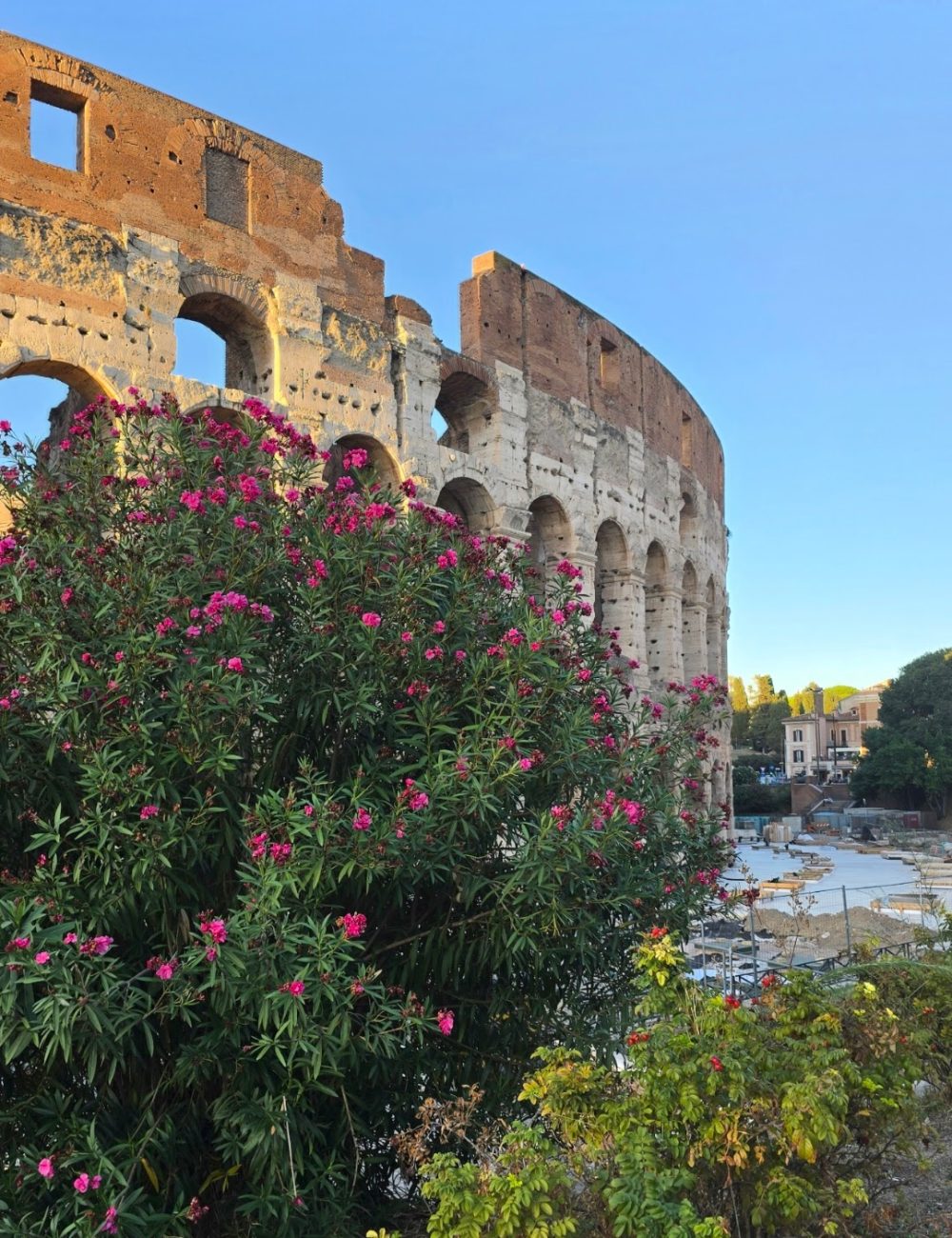
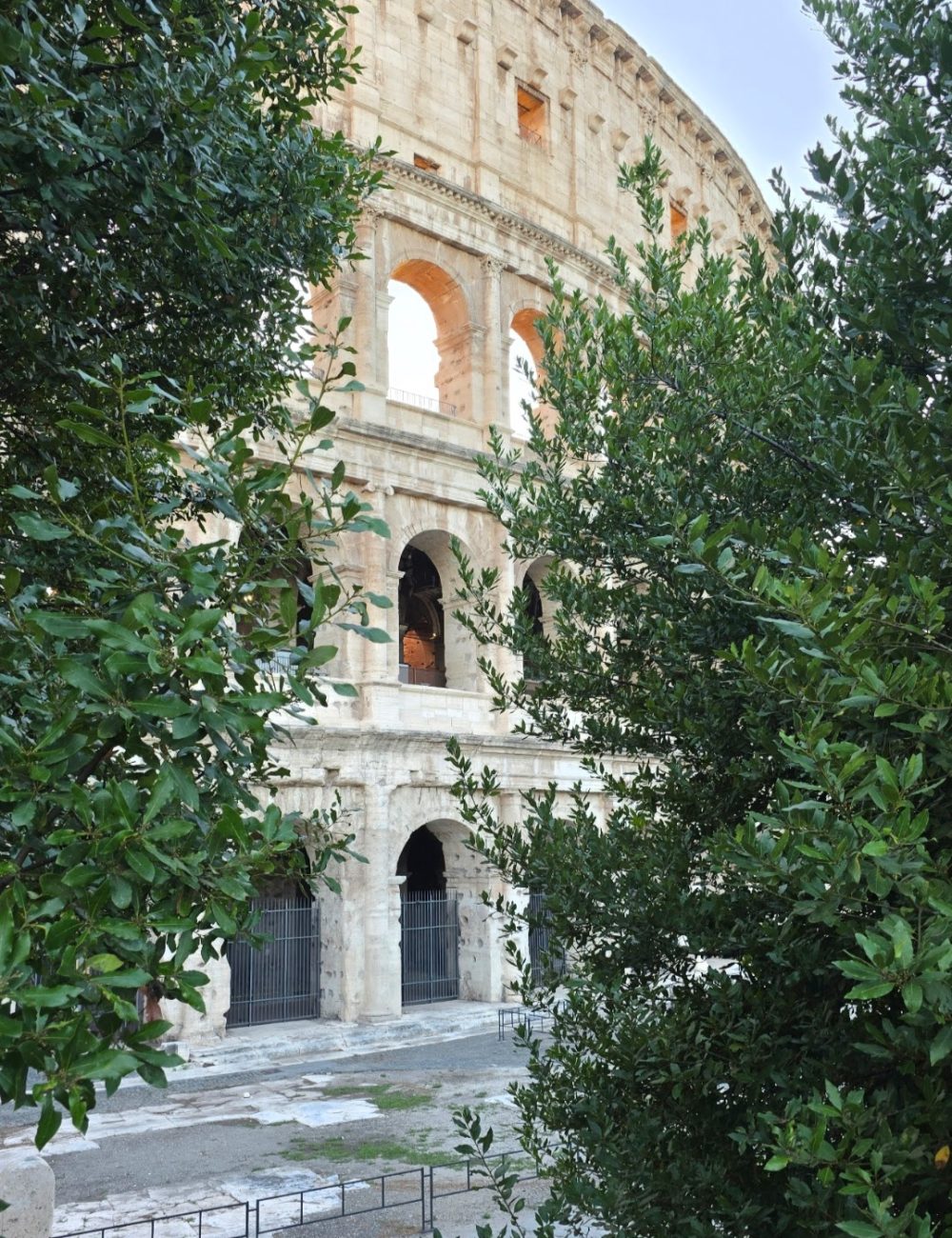
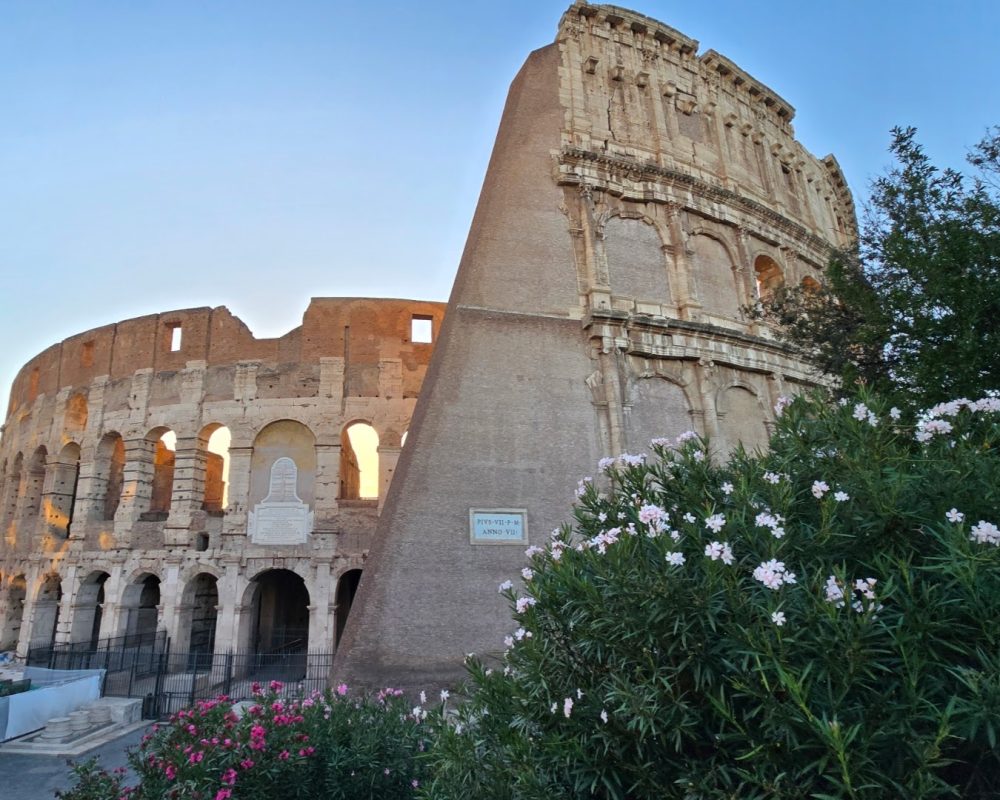
The ancient Colosseum in Rome, partially obscured by lush greenery and pink flowers, against a clear blue sky.
A view of the Colosseum partially obscured by lush green foliage, highlighting its ancient architecture against a clear sky.

Planning Your Visit

-With millions of visitors each year, the Colosseum can get very busy, especially during peak travel seasons.

-Booking your tickets in advance is essential.

-There are several ticket options available, and not all of them include access to the same areas. Standard tickets allow entry to the main levels, while others include access to the arena floor or underground sections.

-These upgraded tickets tend to sell out quickly, so it’s worth booking early if those areas are important to you.

-Most tickets also include entry to the Roman Forum and Palatine Hill.

-If you want to avoid the largest crowds, plan to visit early in the morning, right when it opens.

-You should also allow at least one to two hours for your visit, depending on how much you want to explore.

-All visitors are required to go through security, and there are restrictions on what you can bring inside.

-It’s also worth noting that there isn’t much shade inside the Colosseum, so bring water and dress appropriately, especially in the warmer months.

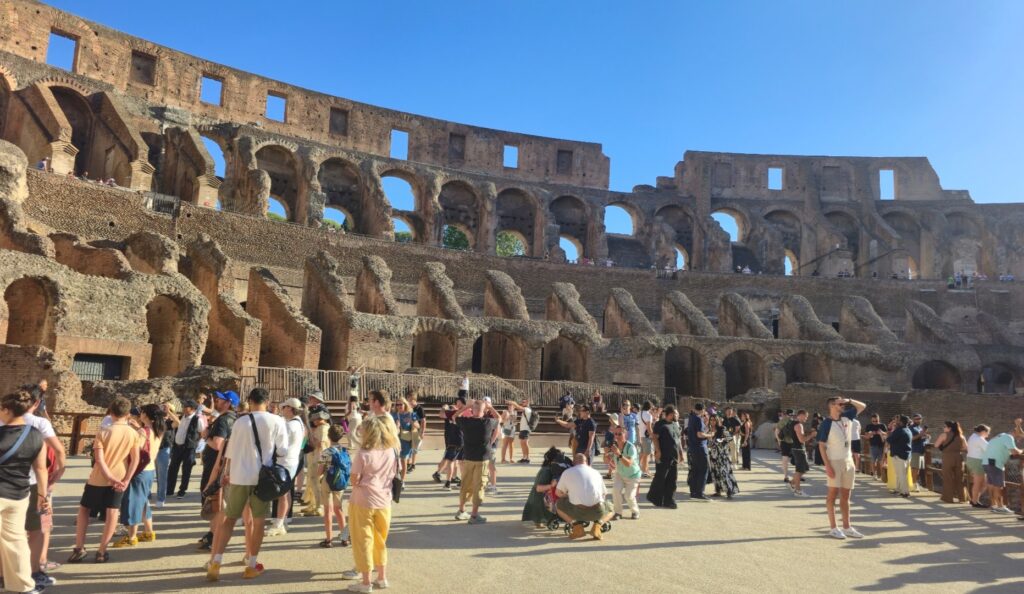
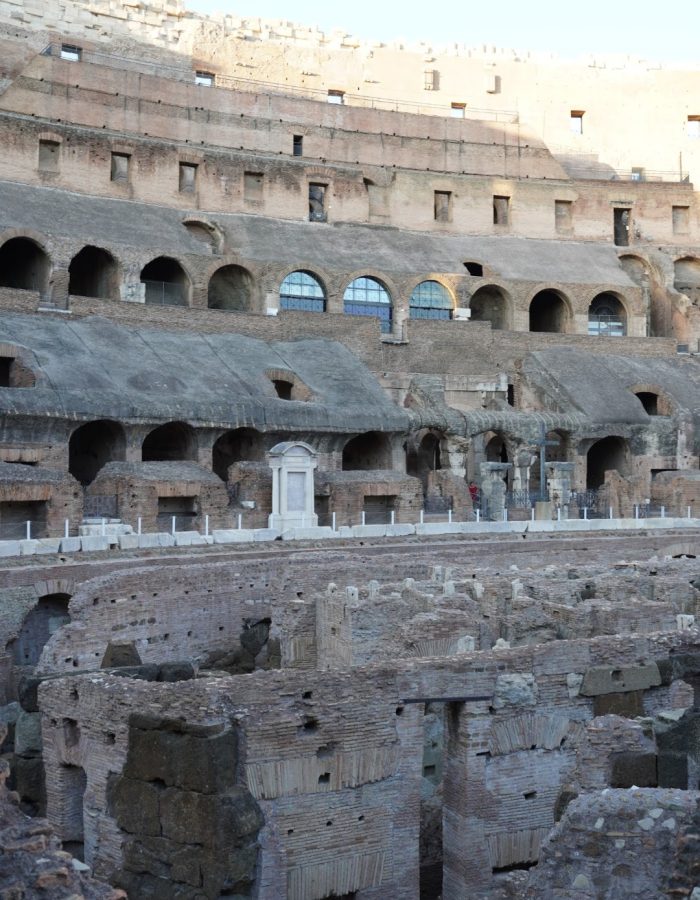
Aerial view of the Colosseum's interior showcasing ancient stone structures and visitors exploring the site.

A person holds up a tablet showing a vibrant depiction of a gladiatorial combat scene in an ancient arena.

Should You Take a Guided Tour?

You can visit the Colosseum on your own, but do yourself a favor and book a guided tour. We did and it was worth it. No hunting down the official booking site, no waiting in line, no showing up and finding out tickets are sold out. Everything is handled before you even get there.

Your guide walks you through the history and flags things you would never notice on your own. They give you a small receiver and earpiece so you can hear everything clearly even when the group spreads out. 

If you really want to go at your own pace, grab an audio guide. But if you want to get the most out of your visit or be able to ask questions, go with a tour.

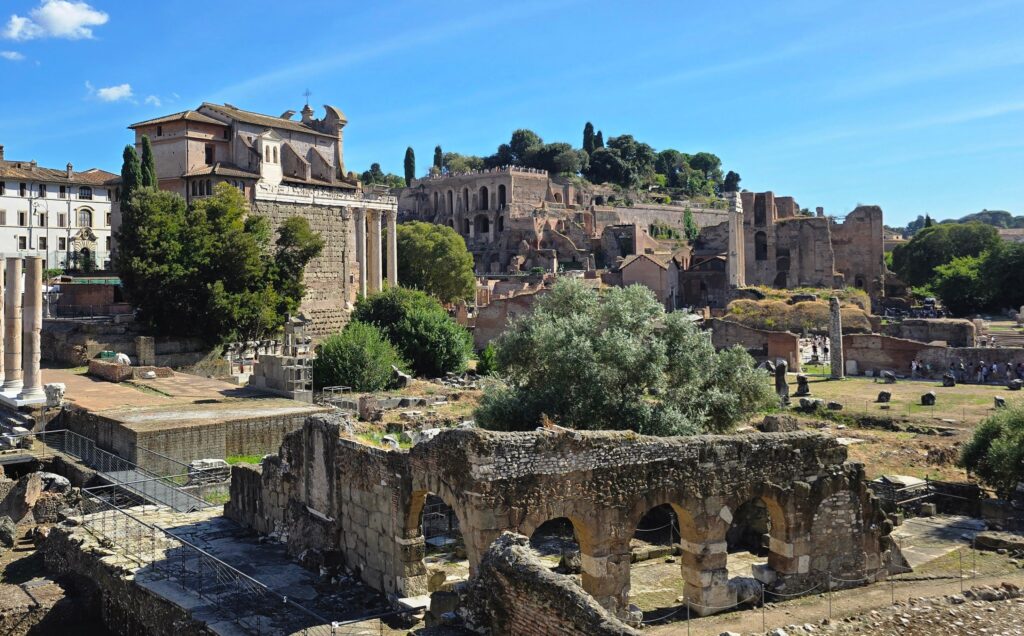
A panoramic view of the Roman Forum featuring ancient structures, lush greenery, and a clear blue sky.

Don’t Skip the Roman Forum

Your ColoA view of ancient Roman columns among ruins, framed by modern buildings and blue skies in Rome.sseum ticket should also include entry to the Roman Forum, which is located just next door.This area was once the center of daily life in ancient Rome, filled with government buildings, temples, and public spaces. Today, it’s a large archaeological site that can be a bit harder to interpret without context, but it’s still worth walking through if you have the time.
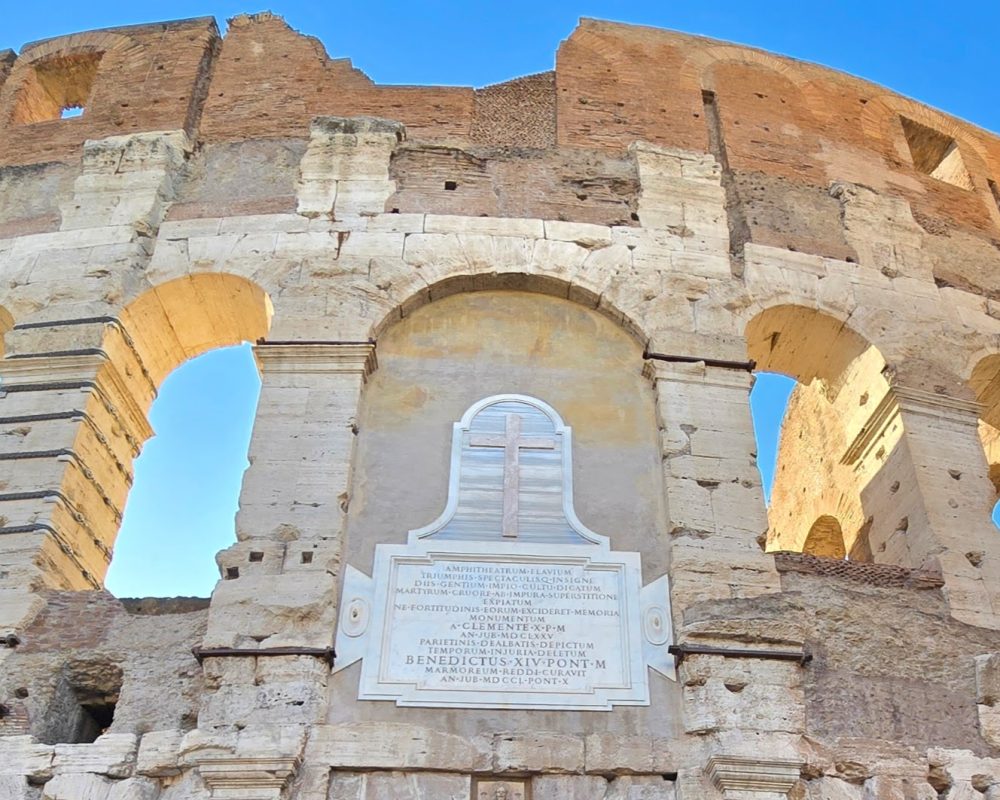
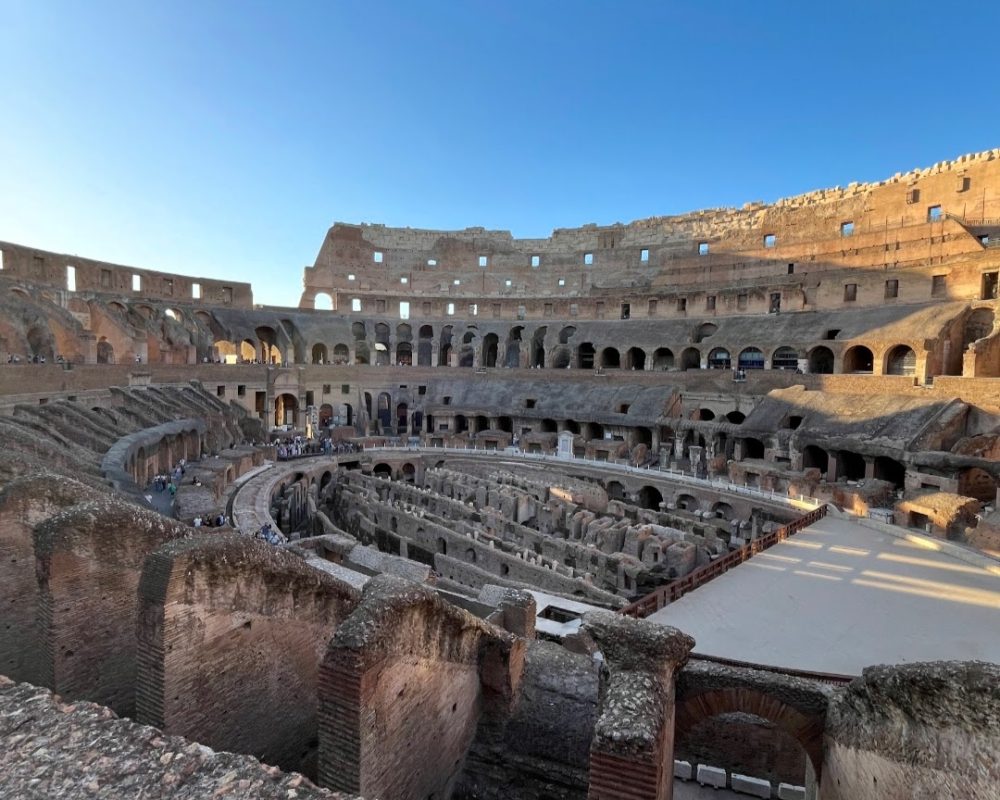
Visiting the Colosseum is not a simple experience. It’s hard to stand inside something that massive and not feel the weight of what happened there — the lives lost, the suffering that was treated as entertainment. At the same time, you can’t help but be in awe of what they built. Nearly 2,000 years later, it’s still standing. The mix of wonder and heaviness is something that truly hits you when you are standing in the presence of its remains — and that is something you really have to feel for yourself.