The Arc de Triomphe: Paris’s Monument of Triumph, Memory — and Epic Views
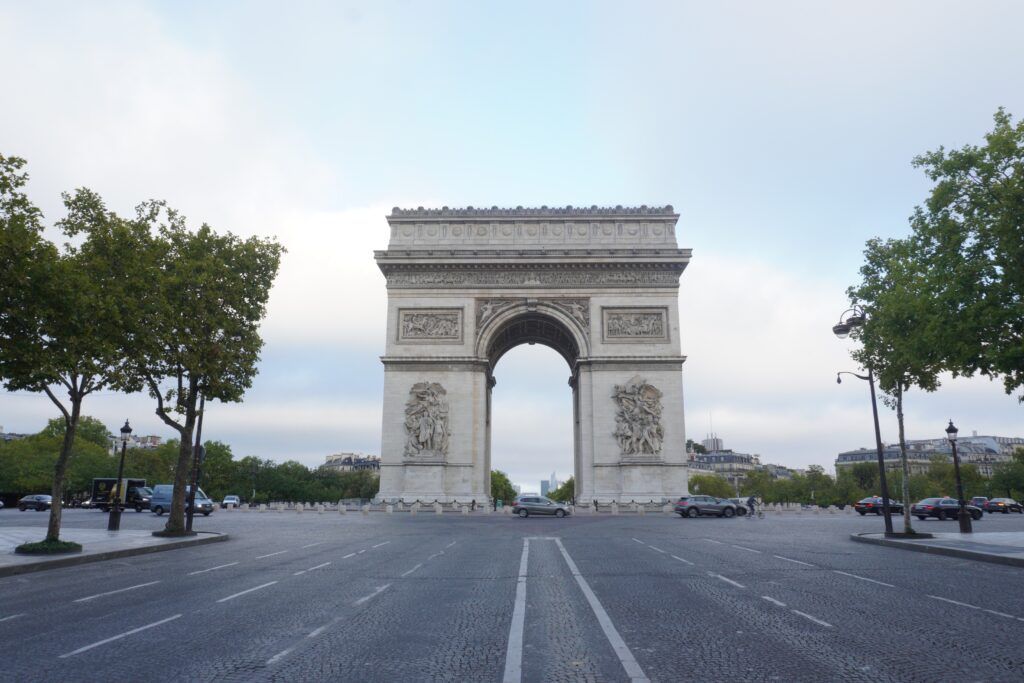
Standing tall at the top of the Champs-Élysées, the Arc de Triomphe is more than a postcard backdrop — it’s the powerhouse symbol of French pride. Since 1836, this 50-meter monument has been delivering serious visual impact while honoring the victories, sacrifices, and resilience that shaped France.
Born from a Victory High
After Napoleon crushed his enemies at the Battle of Austerlitz in 1805, he wanted a monument worthy of the glory. So in 1806 — on his birthday — the first stones of the Arc were laid. He envisioned a structure inspired by ancient Roman triumphal arches…but bigger, bolder, and unmistakably French.
Architect Jean-François-Thérèse Chalgrin designed a massive Neoclassical arch, but he didn’t live to see it completed. Political chaos after Napoleon’s fall slowed construction to a crawl. The project didn’t fully ramp up again until the 1820s, and the Arc finally opened in 1836 — long after the emperor was gone.
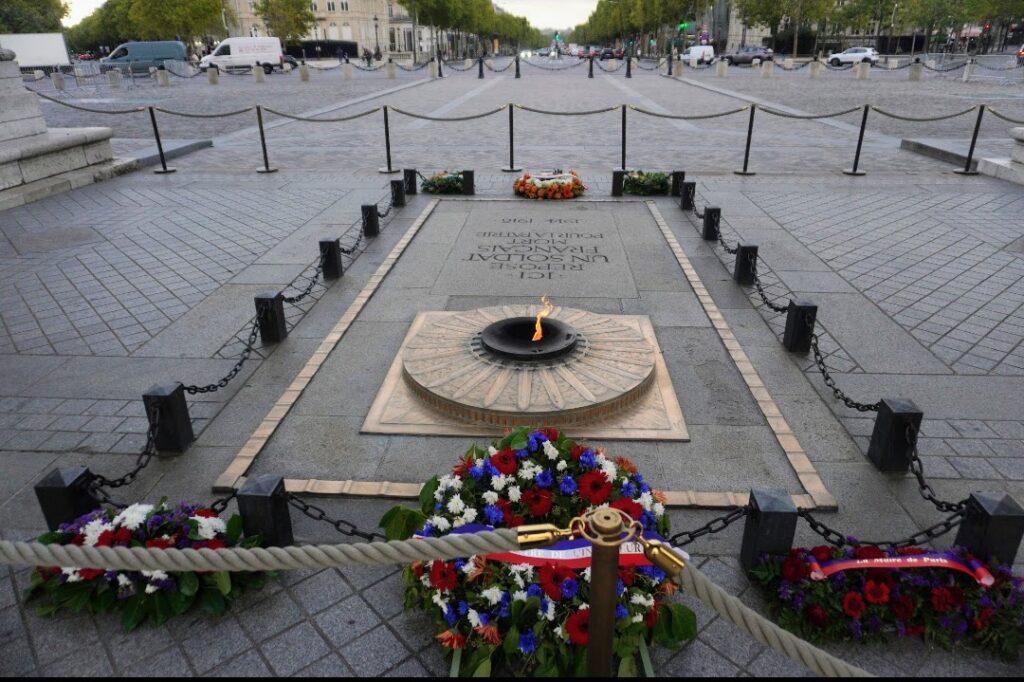
But the most powerful moment comes at the ground level: The Tomb of the Unknown Soldier, honoring France’s fallen of World War I. Above it burns an eternal flame, relit every evening around 6:30 PM in a ceremony that has continued almost every day since 1923 — even through the darkest chapters of Paris’s history.
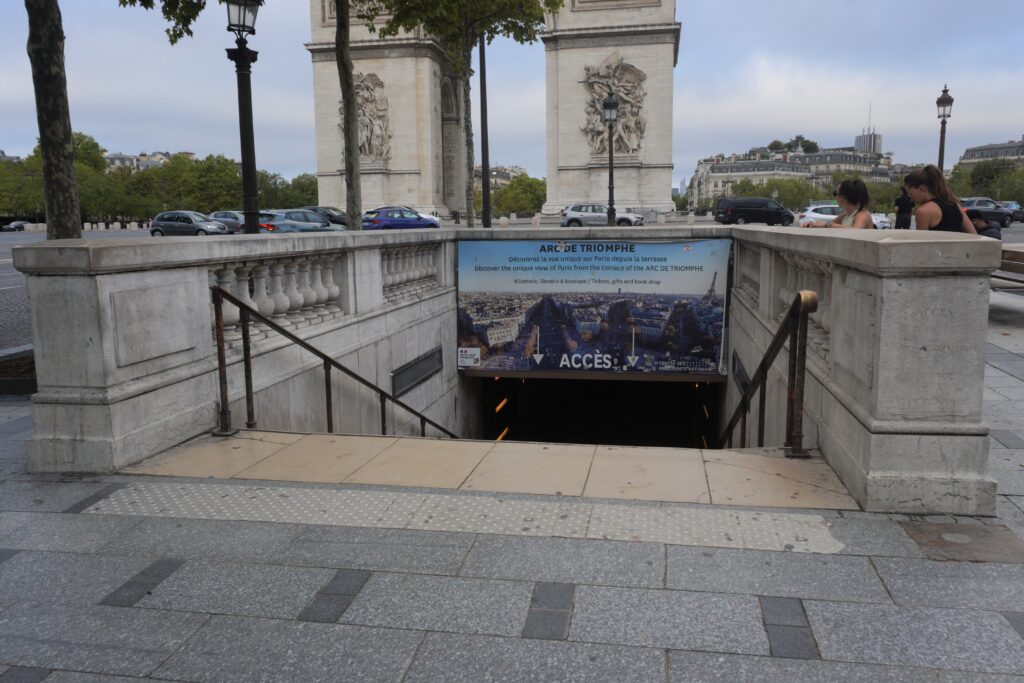
Don’t play Frogger — reach the Arc via the underground tunnel entrances.
From Napoleon’s funeral procession to liberation celebrations in 1944, from Bastille Day parades to Tour de France finishes — the Arc has stood witness to defining moments of French identity. It’s a monument where pride and remembrance meet.
Whether you’re a history lover, a photography junkie, or someone who simply enjoys a breathtaking skyline, the Arc de Triomphe delivers high-impact value. Put it at the top of your Paris strategy — and prepare to be impressed.
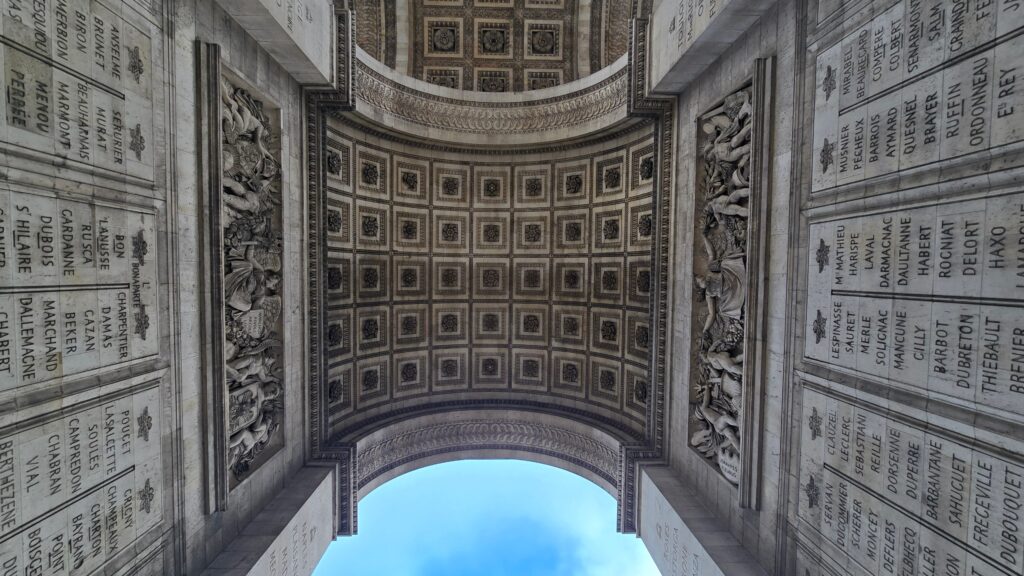
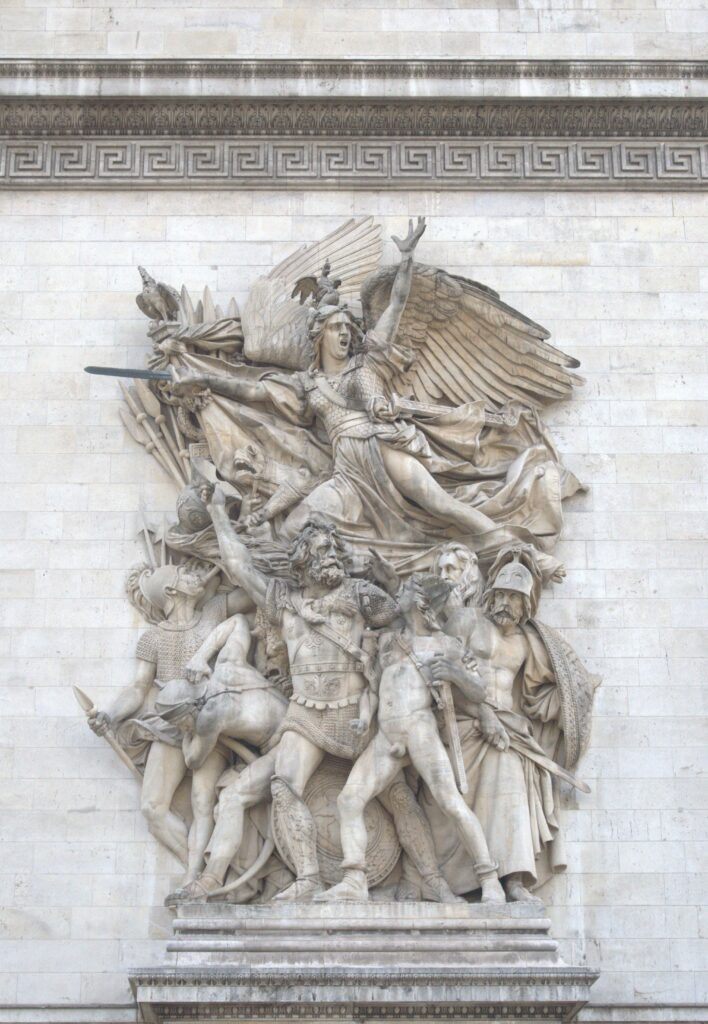
François Rude’s “La Marseillaise” on the Arc de Triomphe unleashes a powerful surge of volunteers charging to defend France in 1792, led by the fierce winged figure of Liberty. This monumental Romantic masterpiece captures the spirit of revolution, sacrifice, and national pride carved into stone.